
Native Plant Garden
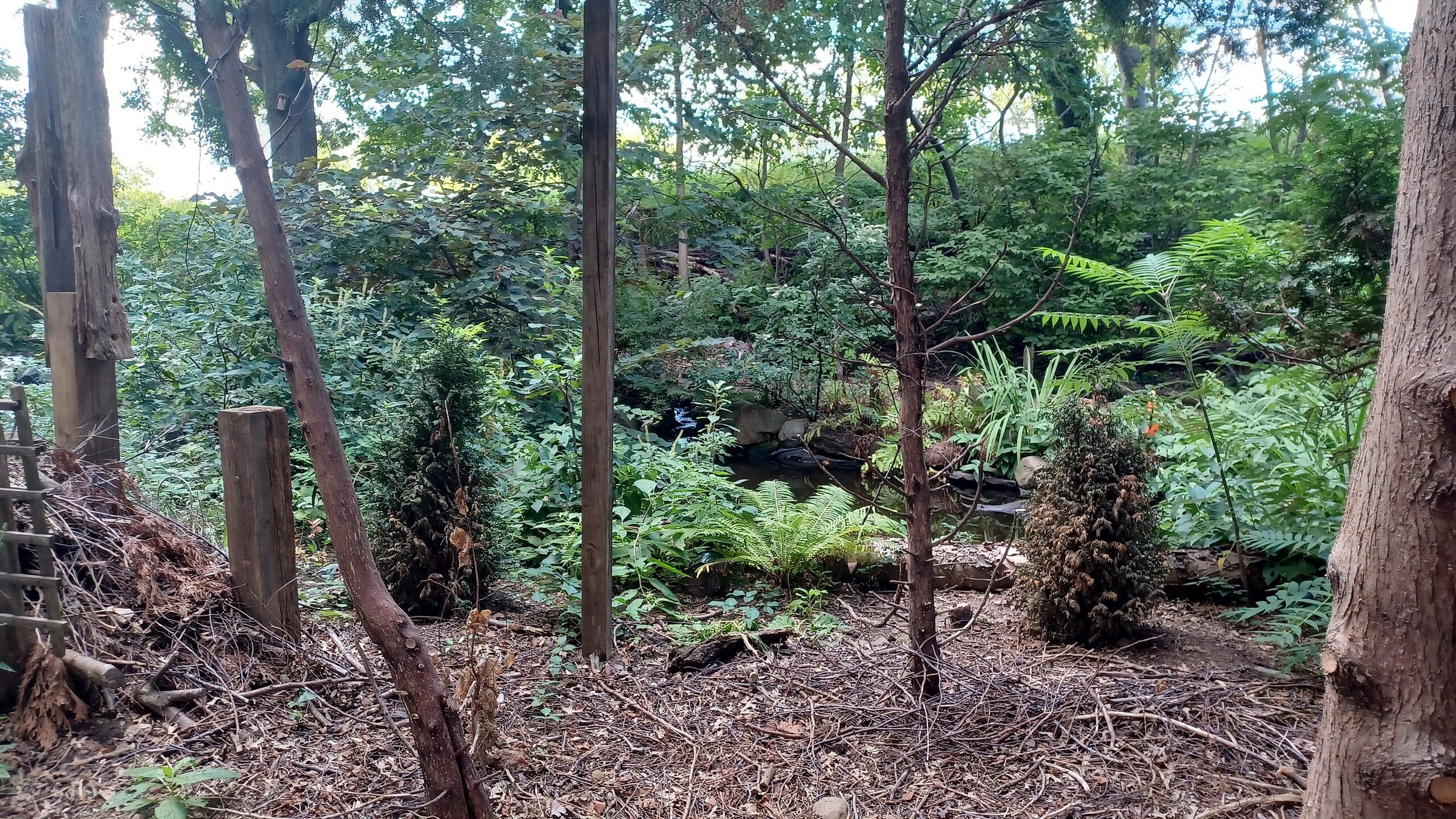
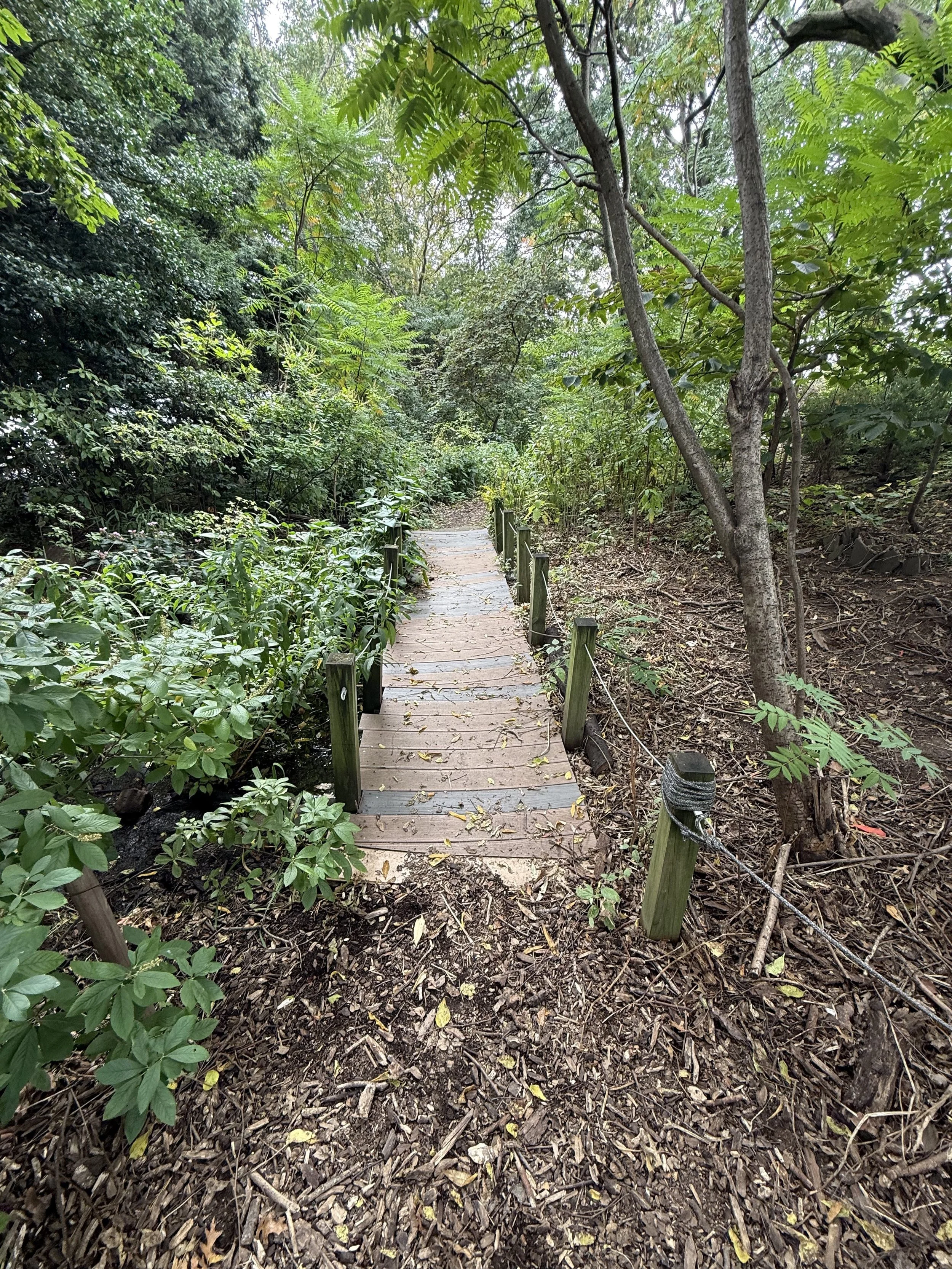
Established in 1996, the Native Plant Garden invites visitors to experience a landscape inspired by what Bay Ridge and much of Brooklyn looked like before urban development, when woodlands, streams, ponds, and native wildlife were part of the natural landscape. The mature oak and sycamore trees predate the garden itself, forming the woodland canopy for a diverse collection of Northeast native plants. Together, they provide food and shelter for pollinators, birds, turtles, and other wildlife and are also home to Narrows Botanical Gardens' Wildlife & Turtle Sanctuary. Throughout the year, the garden changes with the seasons, from spring wildflowers and lush summer growth to brilliant fall color and the quiet beauty of winter.
Discover the Garden
Take a closer look at the history, purpose, and seasonal beauty of one of Narrows Botanical Gardens' most diverse landscapes.
Video filmed and edited by Clayton Rawson.
Featured plants
-
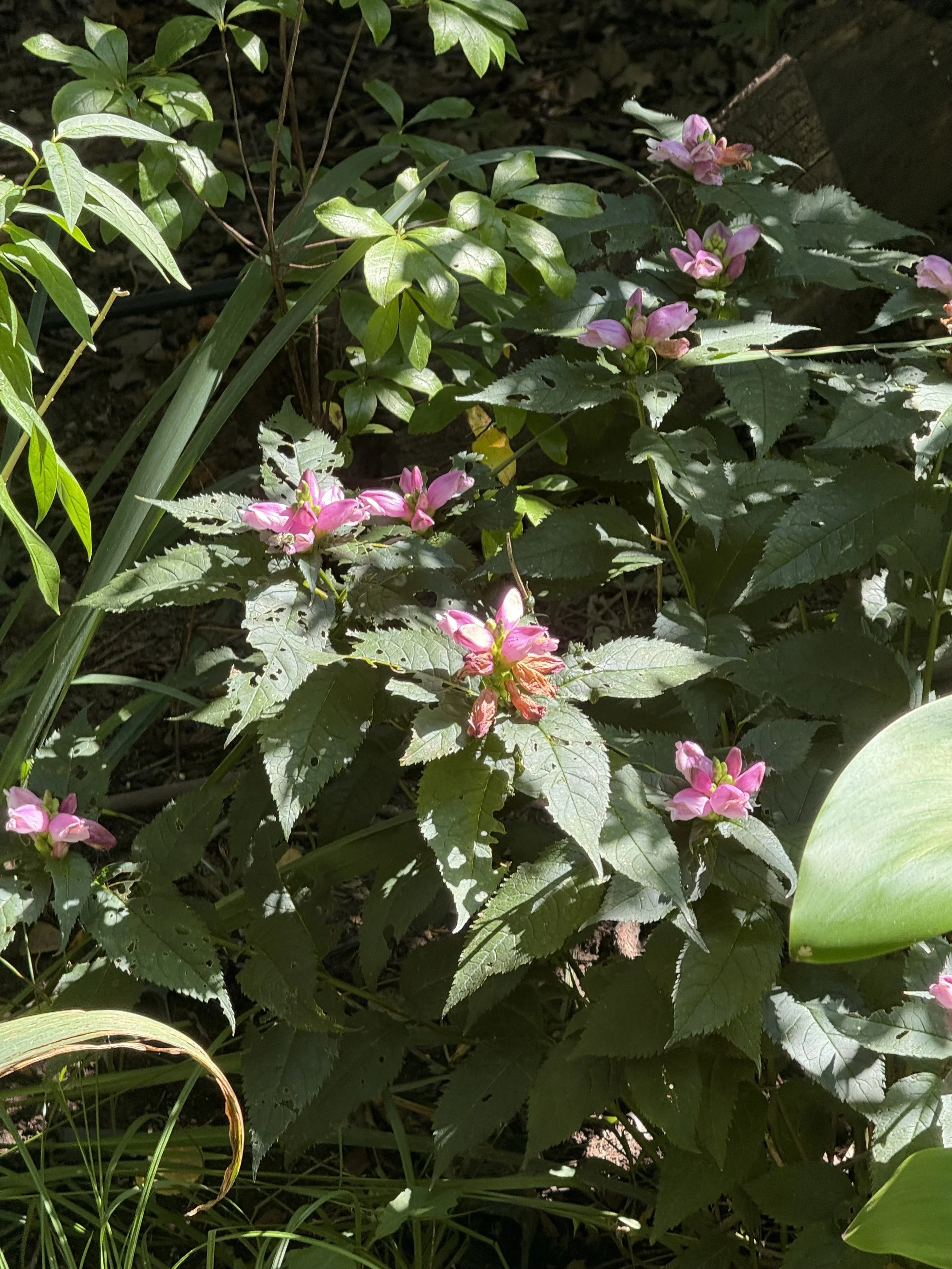
![Pink Turtlehead (Chelone lyonii)]()
Pink Turtlehead (Chelone lyonii)
-
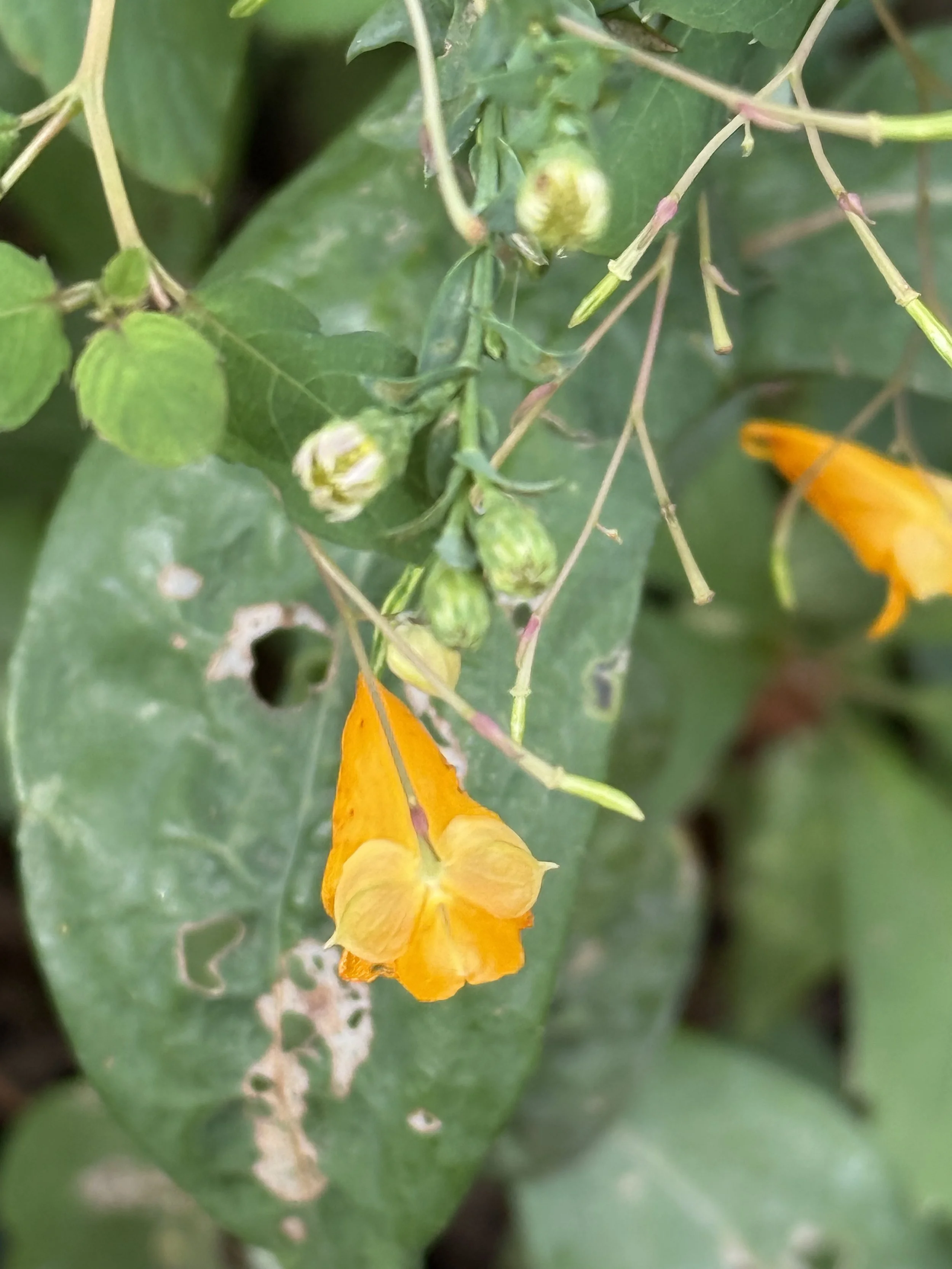
![Jewelweed (Impatiens capensis)]()
Jewelweed (Impatiens capensis)
-
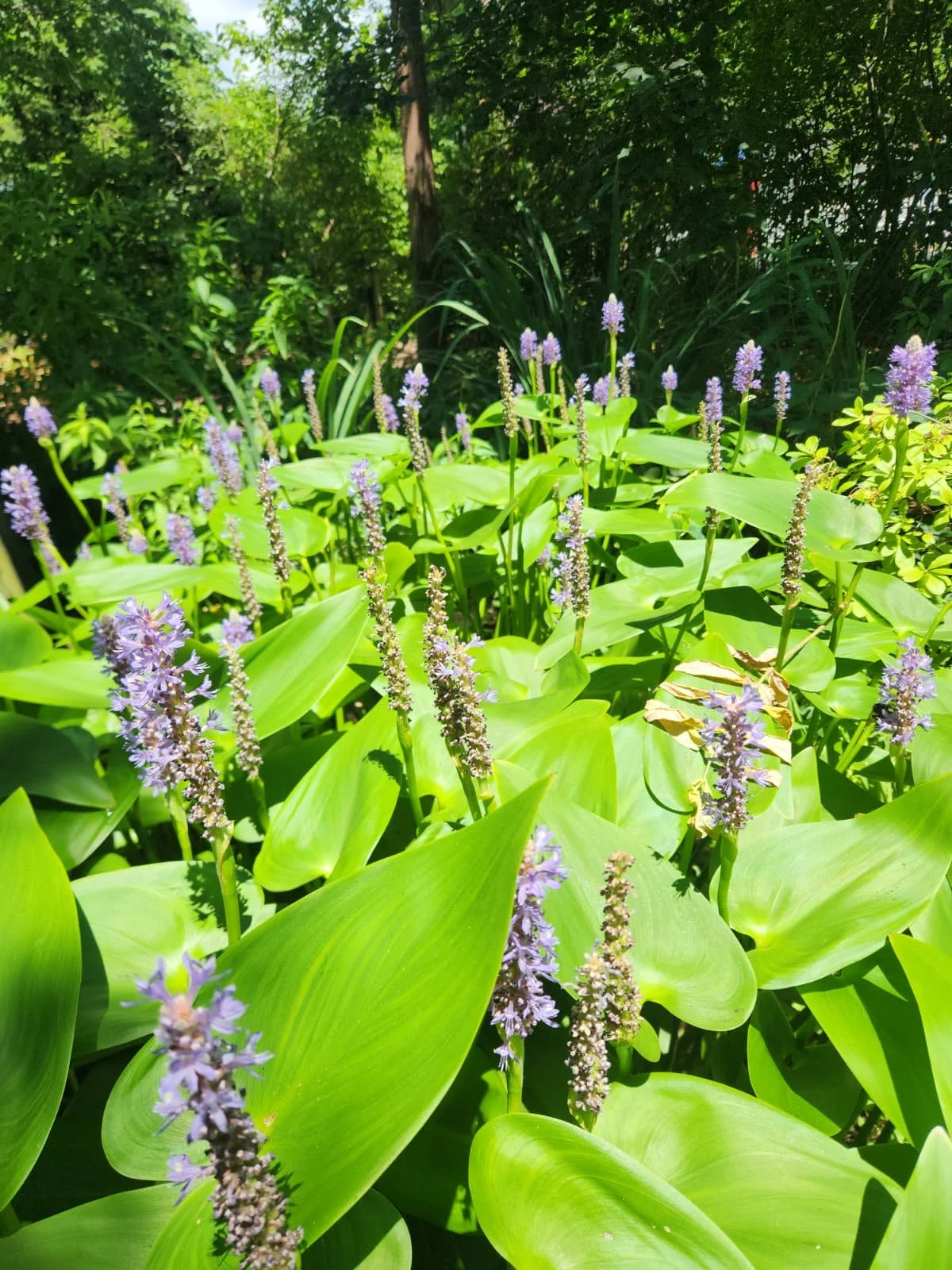
![Pickerelweed (Pontederia cordata)]()
Pickerelweed (Pontederia cordata)
-
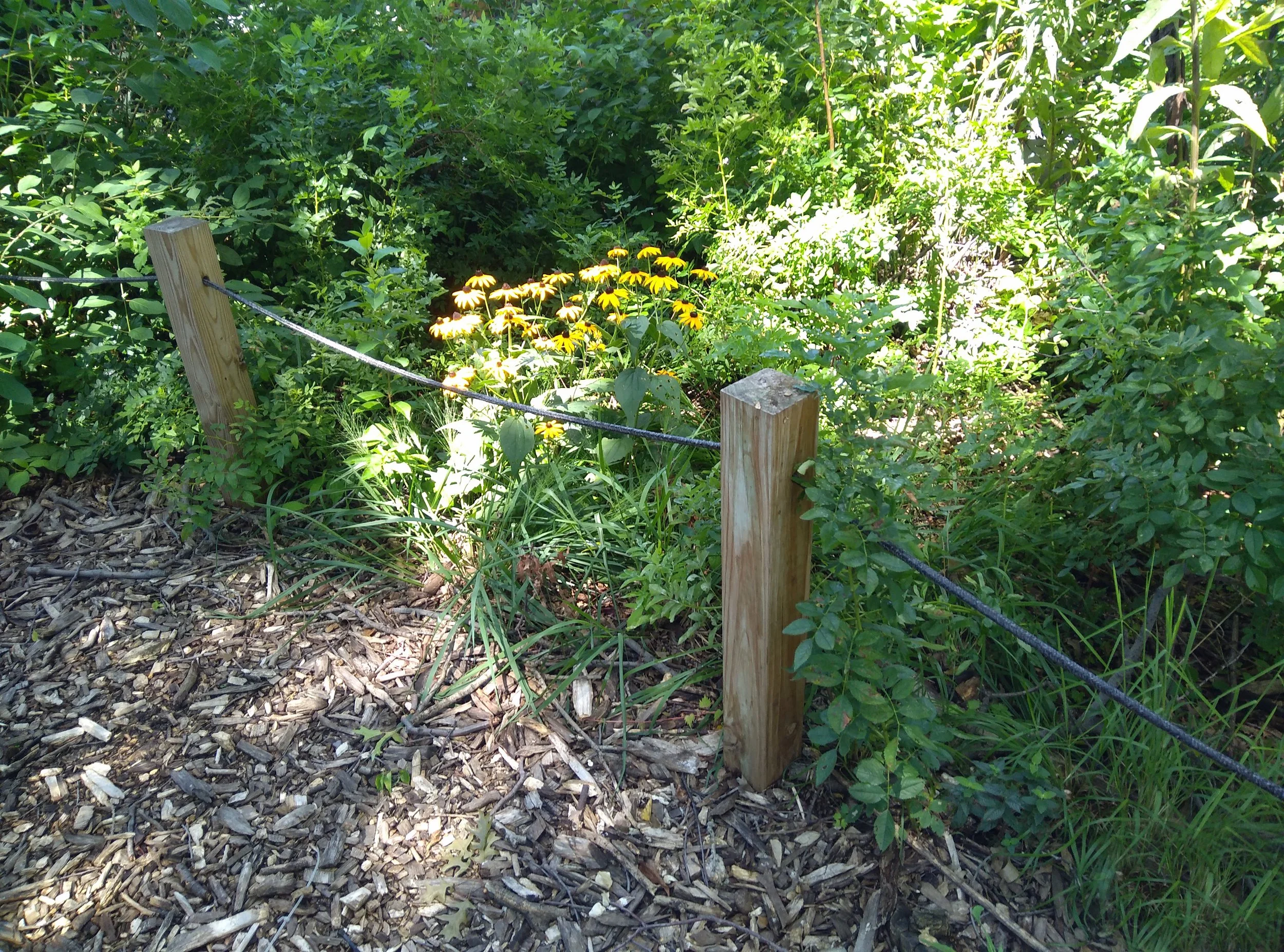
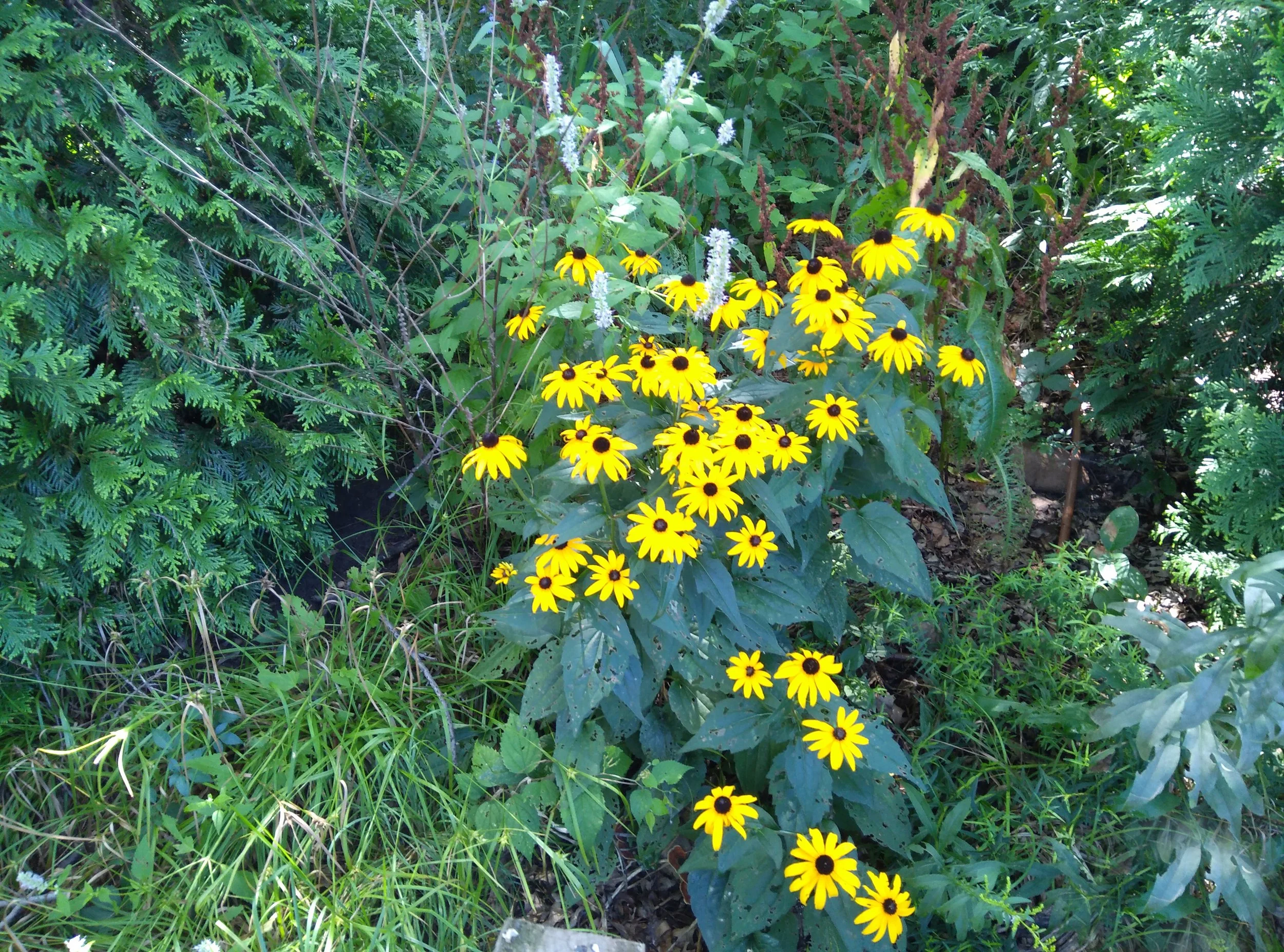
![Black-eyed Susan (Rudbeckia hirta)]()
Black-eyed Susan (Rudbeckia hirta)
-
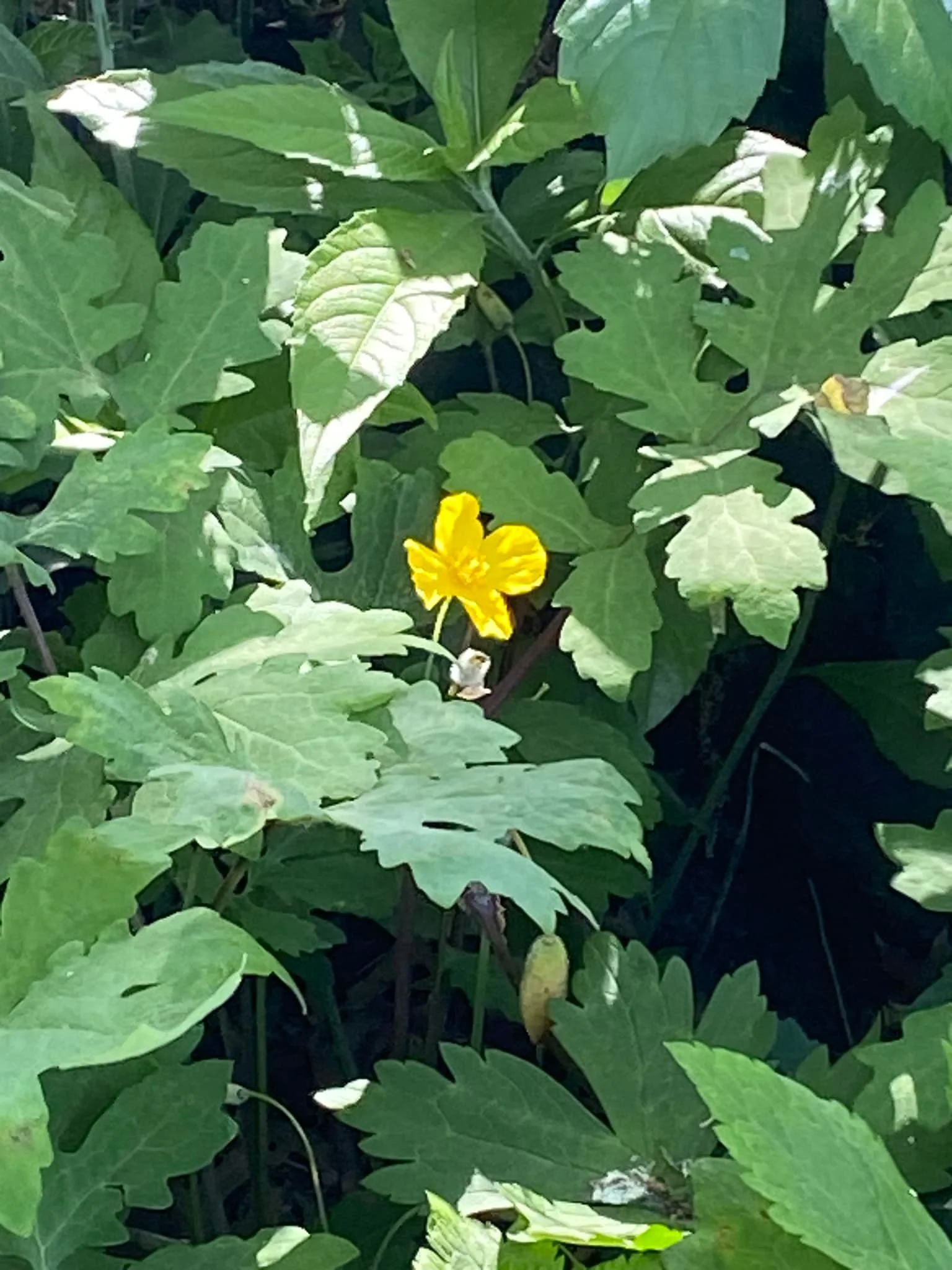
![Celandine Poppy (Stylophorum diphyllum)]()
Celandine Poppy (Stylophorum diphyllum)
-
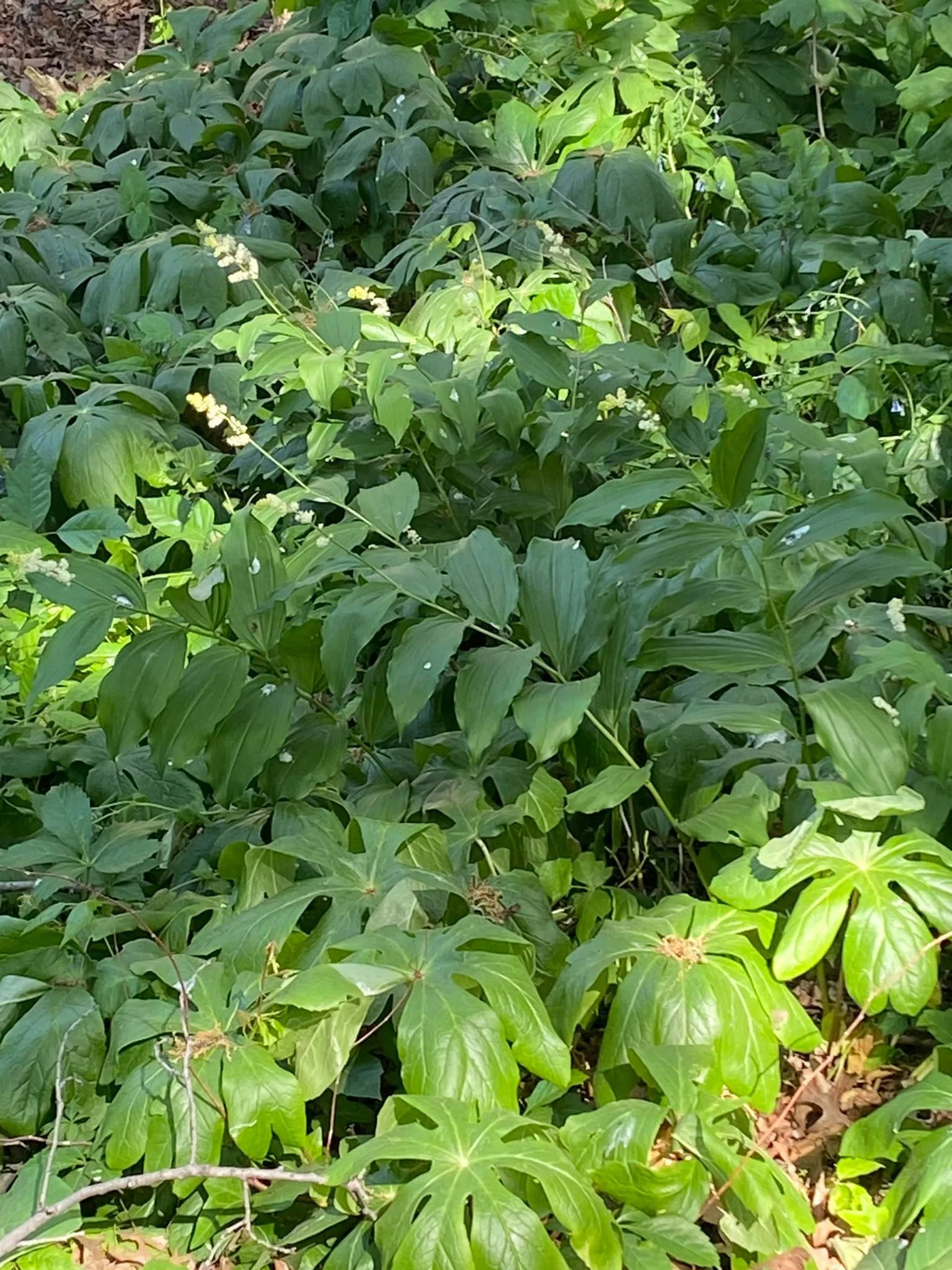
![False Solomon’s Seal (Maianthemum racemosum) Mayapple (Podophyllum peltatum)]()
False Solomon’s Seal (Maianthemum racemosum)
Mayapple (Podophyllum peltatum) -
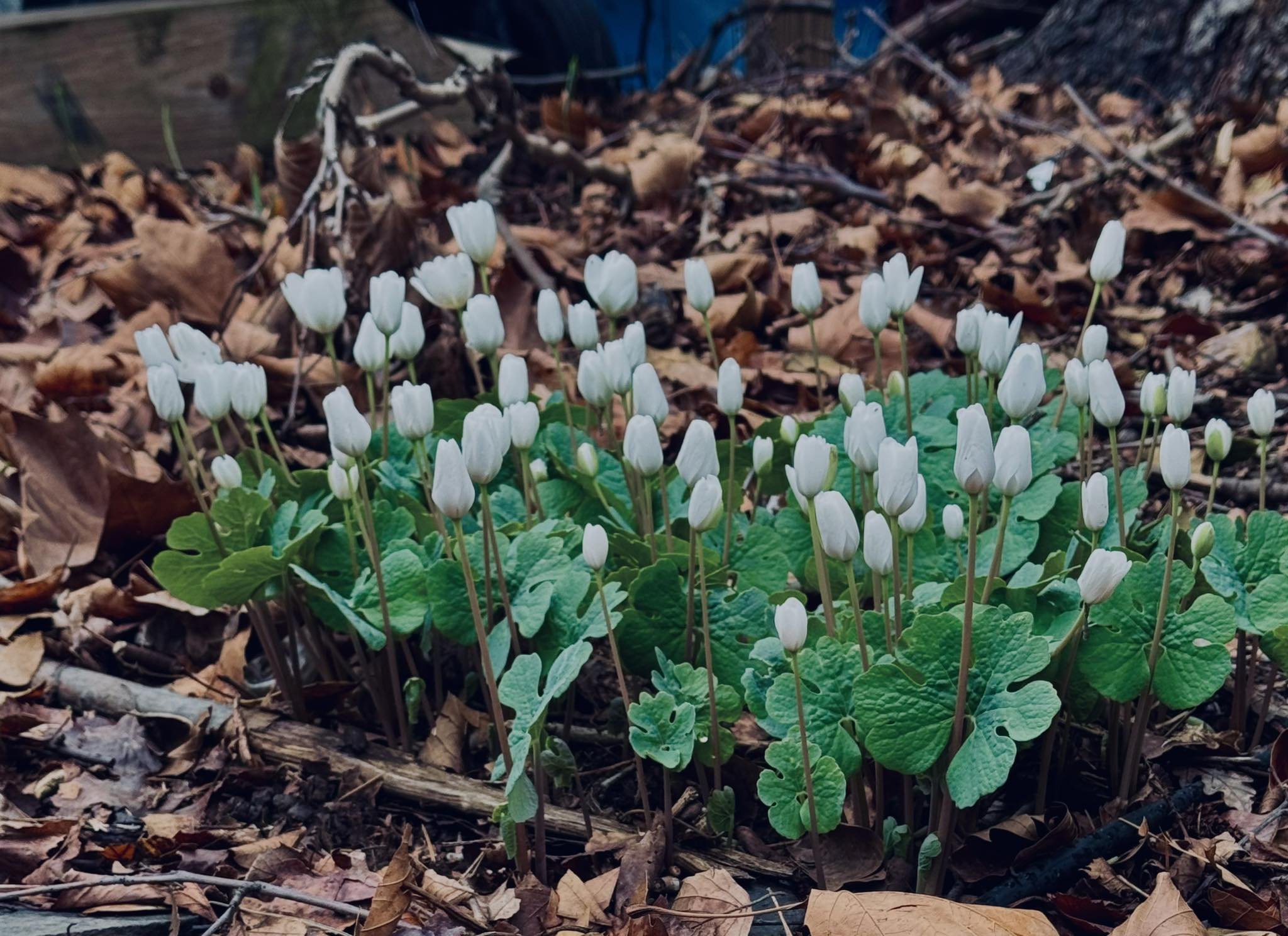
![Bloodroot (Sanguinaria canadensis)]()
Bloodroot (Sanguinaria canadensis)
Beneath the canopy
-
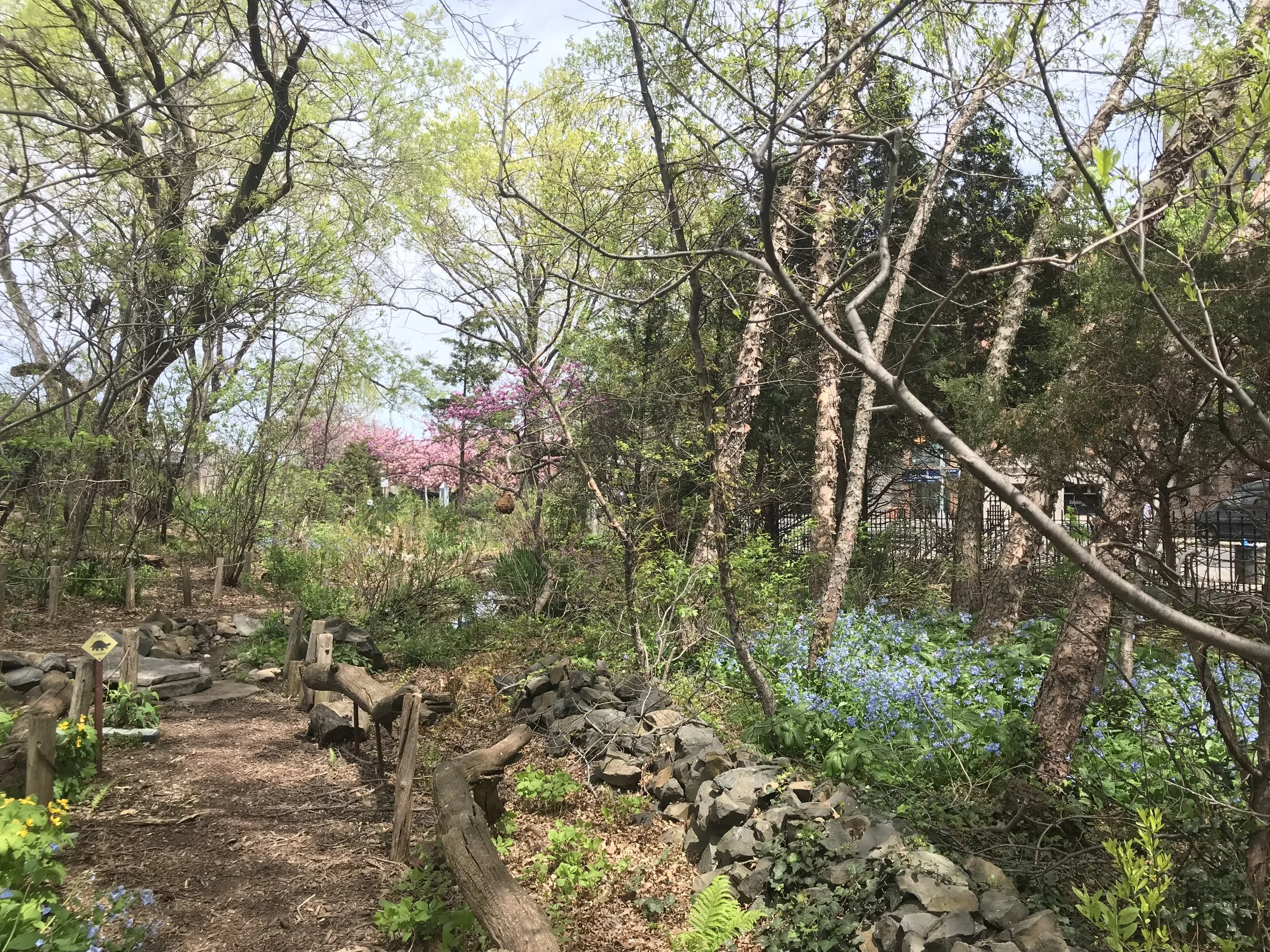
Long before streets and buildings, much of Brooklyn was covered by forests, streams, ponds, and wetlands. Today, this garden brings together more than 70 species of native trees, shrubs, vines, ferns, and wildflowers to recreate those interconnected habitats and demonstrate how they support life.
-
Native oaks are among the most valuable trees for wildlife, supporting hundreds of species of moths and butterflies during their caterpillar stage. Those caterpillars become essential food for nesting birds, while native woodland flowers provide early-season nectar and pollen for mining bees (Andrena), mason bees (Osmia), queen bumble bees (Bombus), and other native pollinators emerging in spring.
-
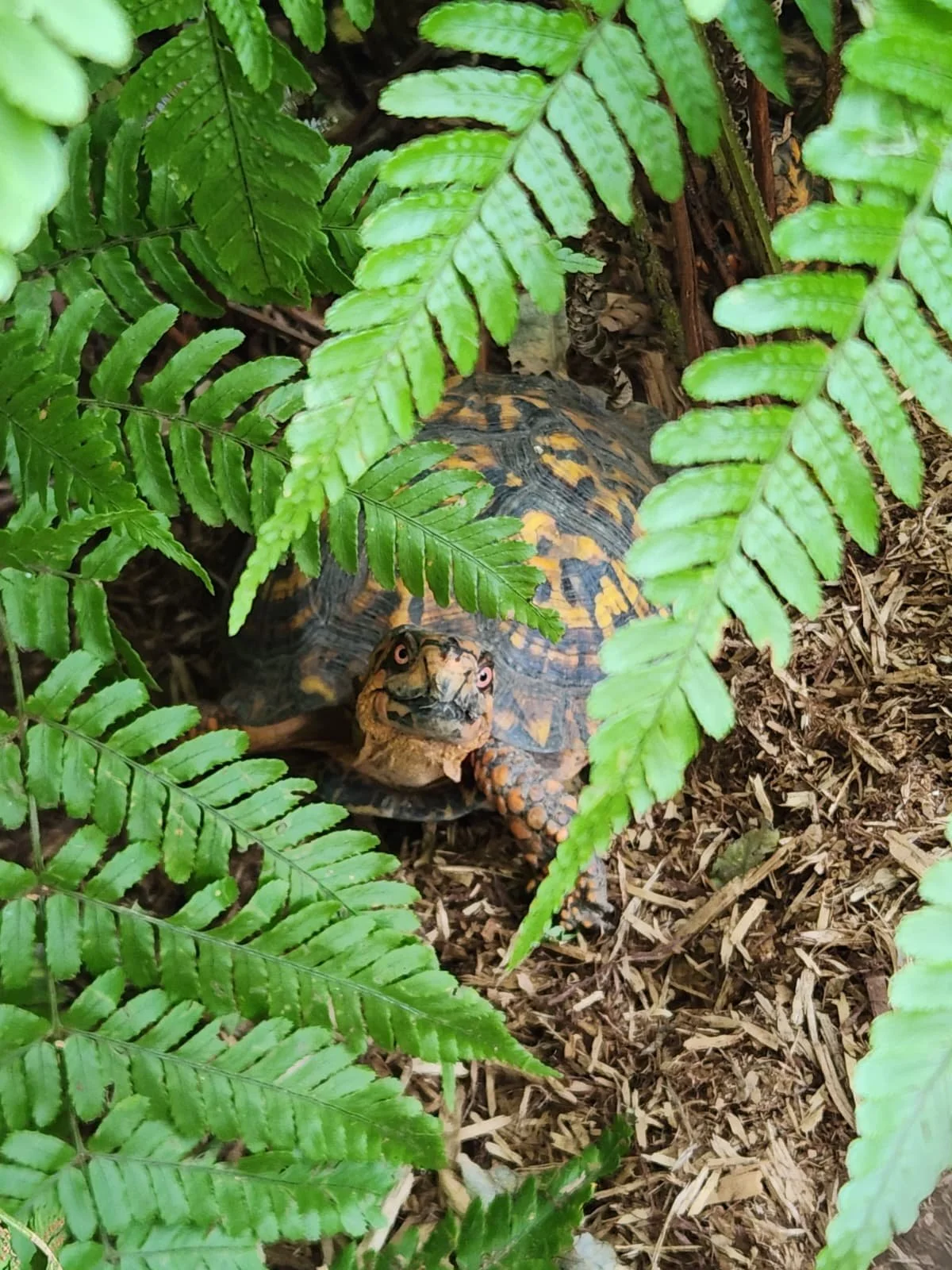
The fallen leaves beneath your feet are part of the habitat, not yard waste. They shelter beetles, millipedes, spiders, fungi, and countless other organisms that recycle nutrients back into the soil. Leaf litter also provides winter refuge for fireflies and other beneficial insects and helps native Eastern Box Turtles safely brumate through the colder months.
-
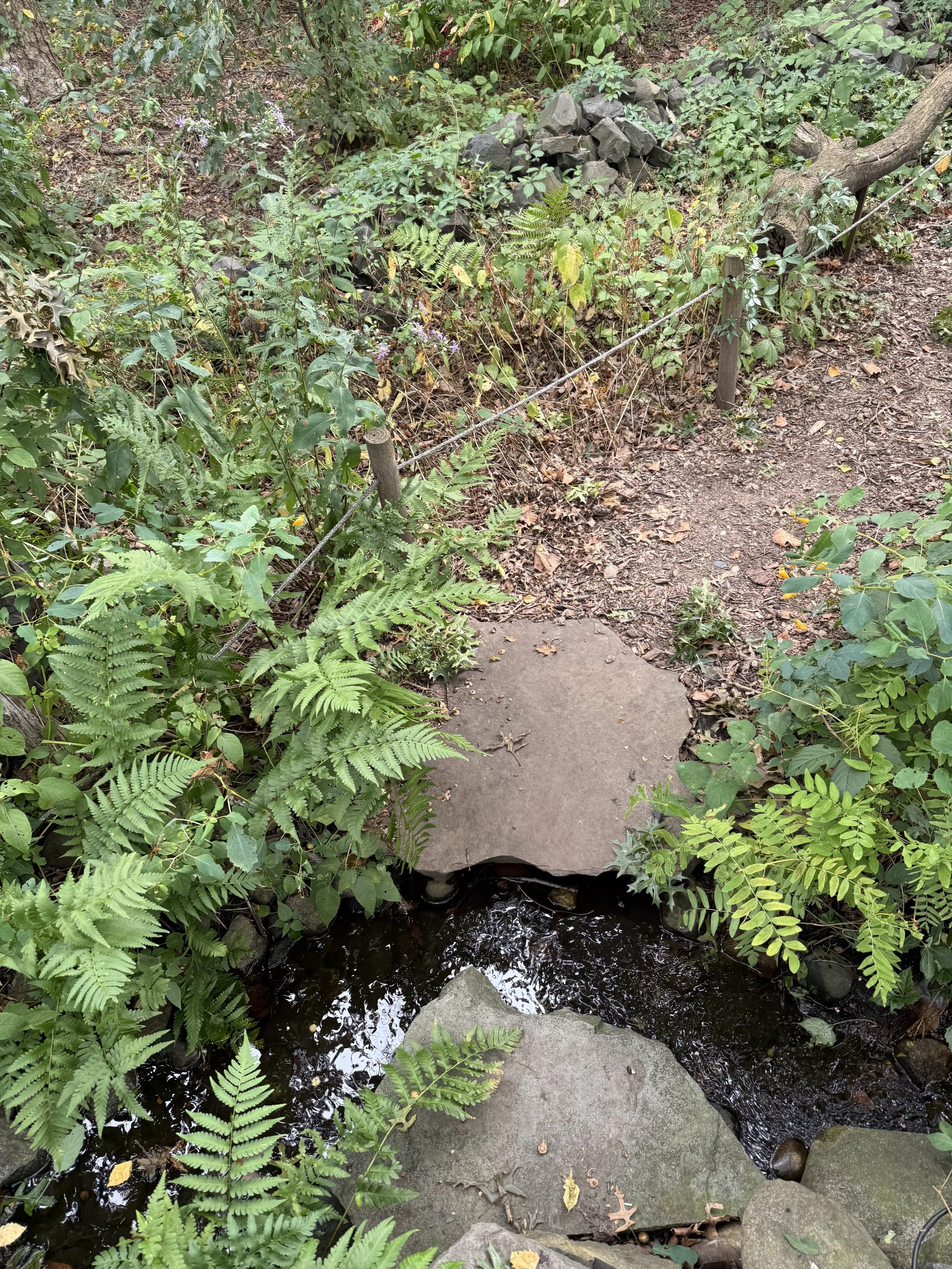
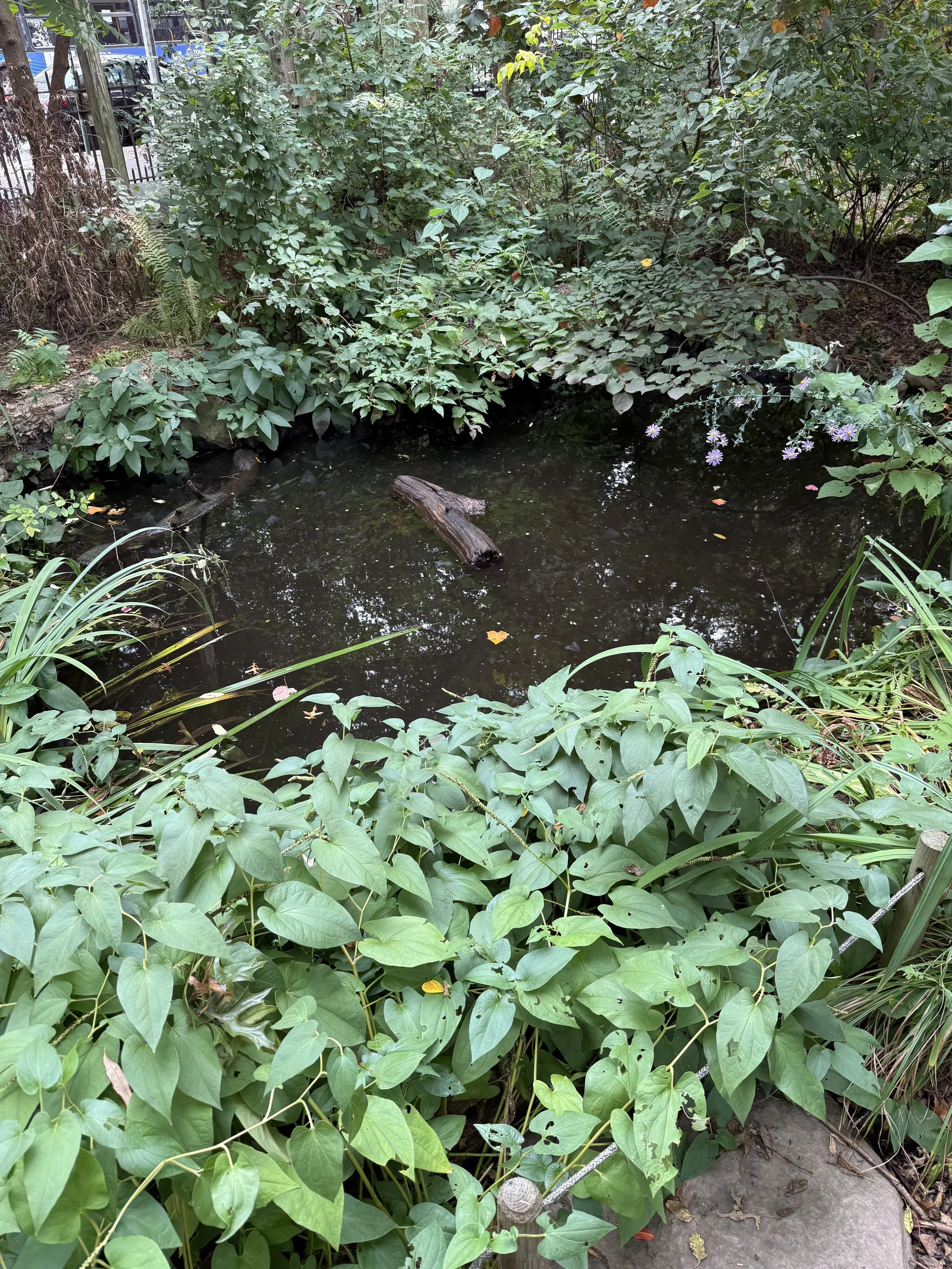
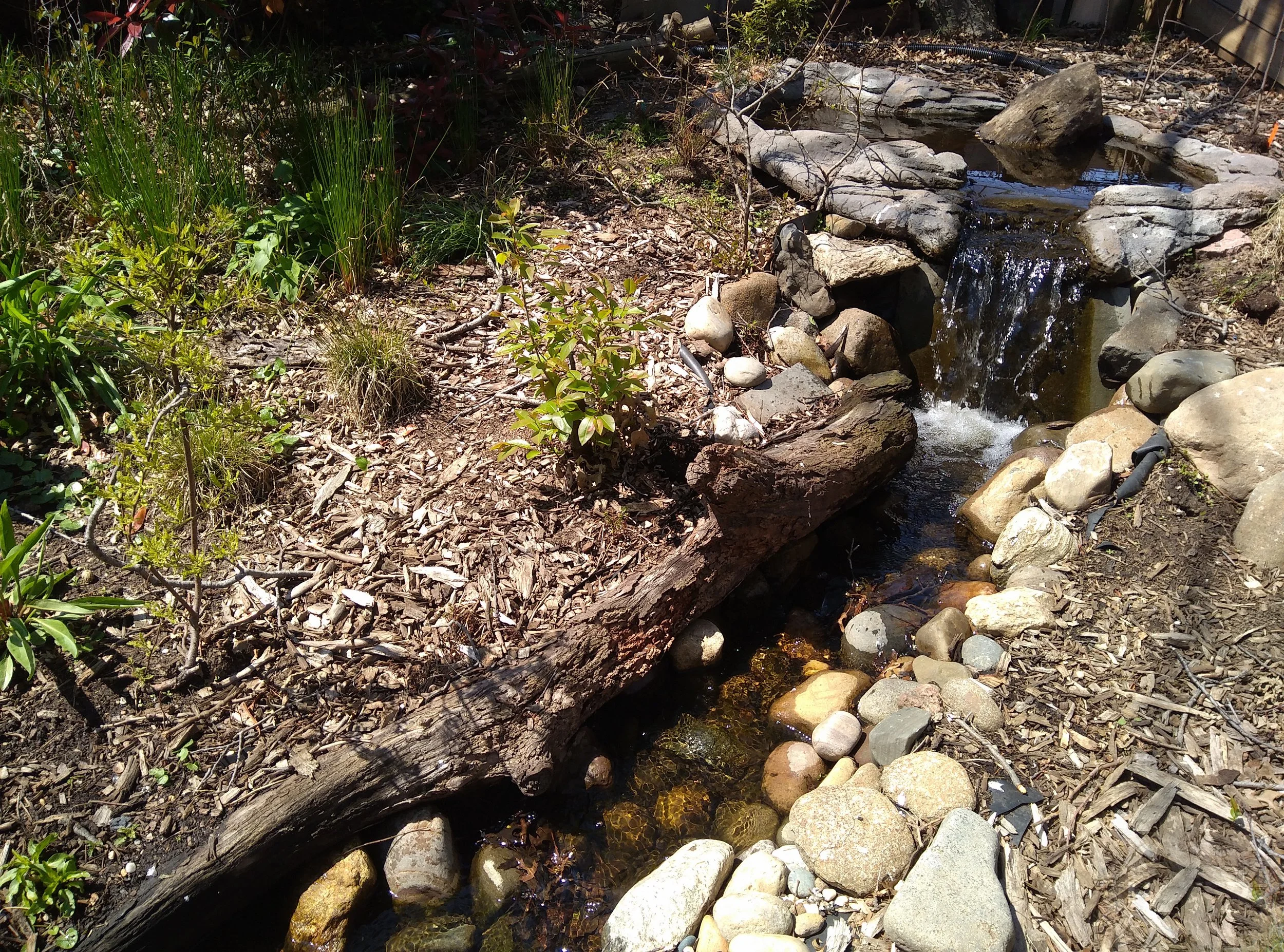
The Native Plant Garden connects directly to NBG's Wildlife & Turtle Sanctuary, where woodland habitat transitions into freshwater ponds. Together they support native turtles, dragonflies, frogs, birds, and aquatic insects, creating a connected ecosystem that provides food, shelter, breeding habitat, and clean water.
-
Native plants and trees evolved alongside local insects and wildlife over thousands of years, forming relationships that many ornamental plants cannot replace. By planting native species, we help sustain the pollinators, birds, and other animals that keep healthy ecosystems functioning, even in the middle of the city.
-
Towering trees, flowering shrubs, woodland wildflowers, vines, ferns, sedges, and leaf litter each provide food and shelter for different species. Together, these layers create the structure of a healthy forest ecosystem and support far more biodiversity than any single planting could.
Discover the hidden relationships between native plants, woodland habitats, and the species that call them home.
Perennials & ferns collection
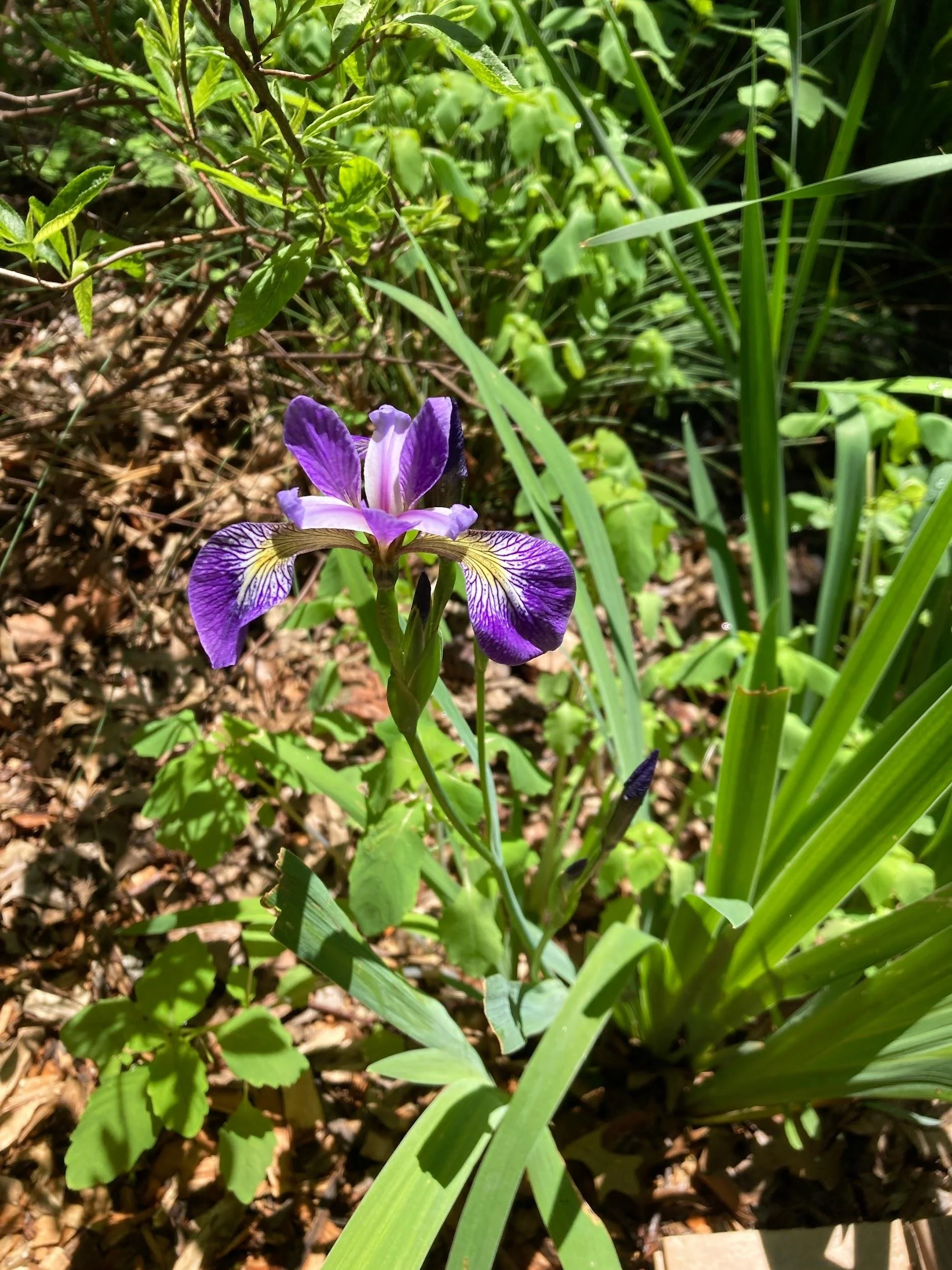
Blue flag iris (Iris versicolor L.)
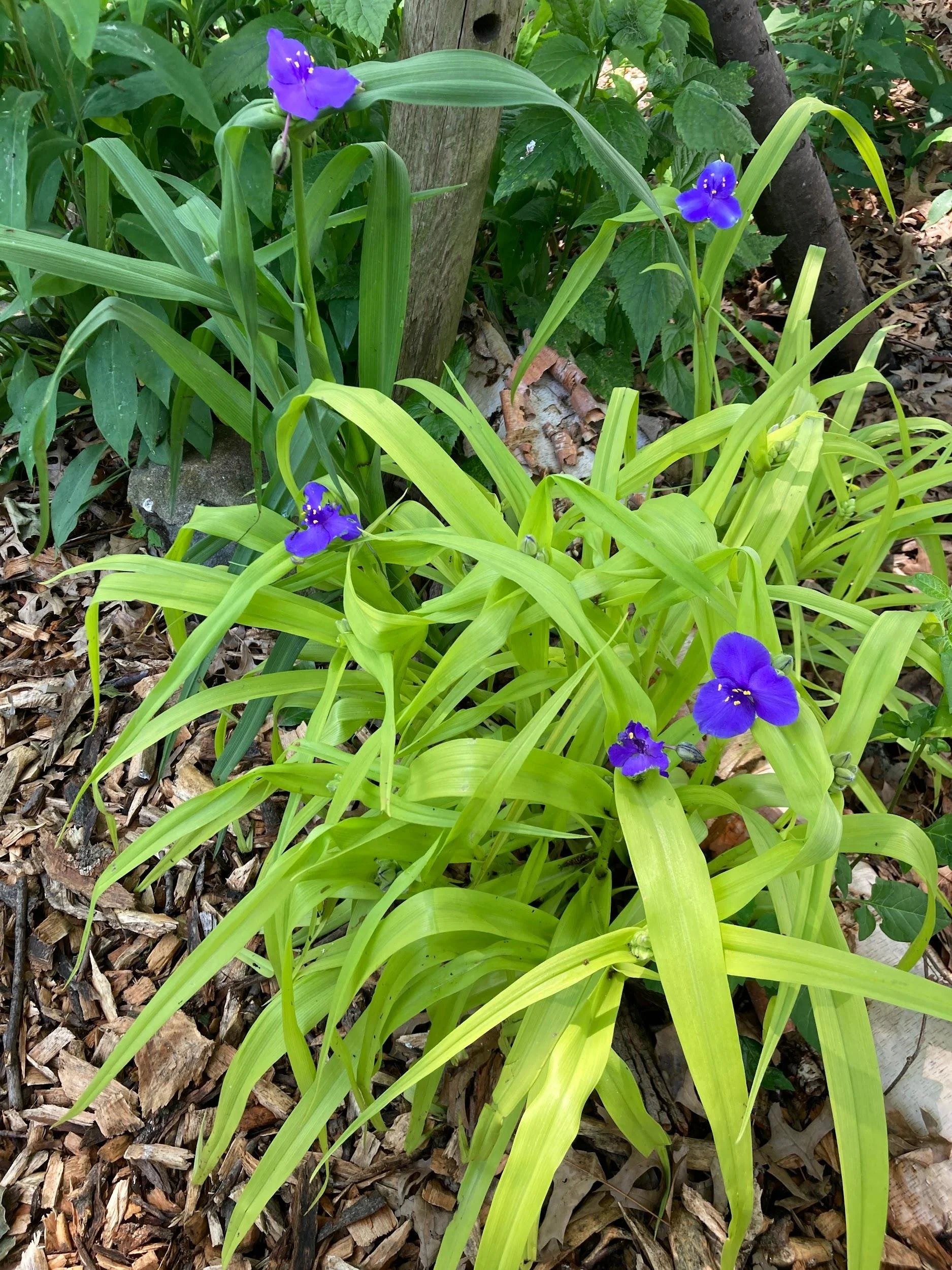
Spiderwort (Tradescantia virginiana L.)
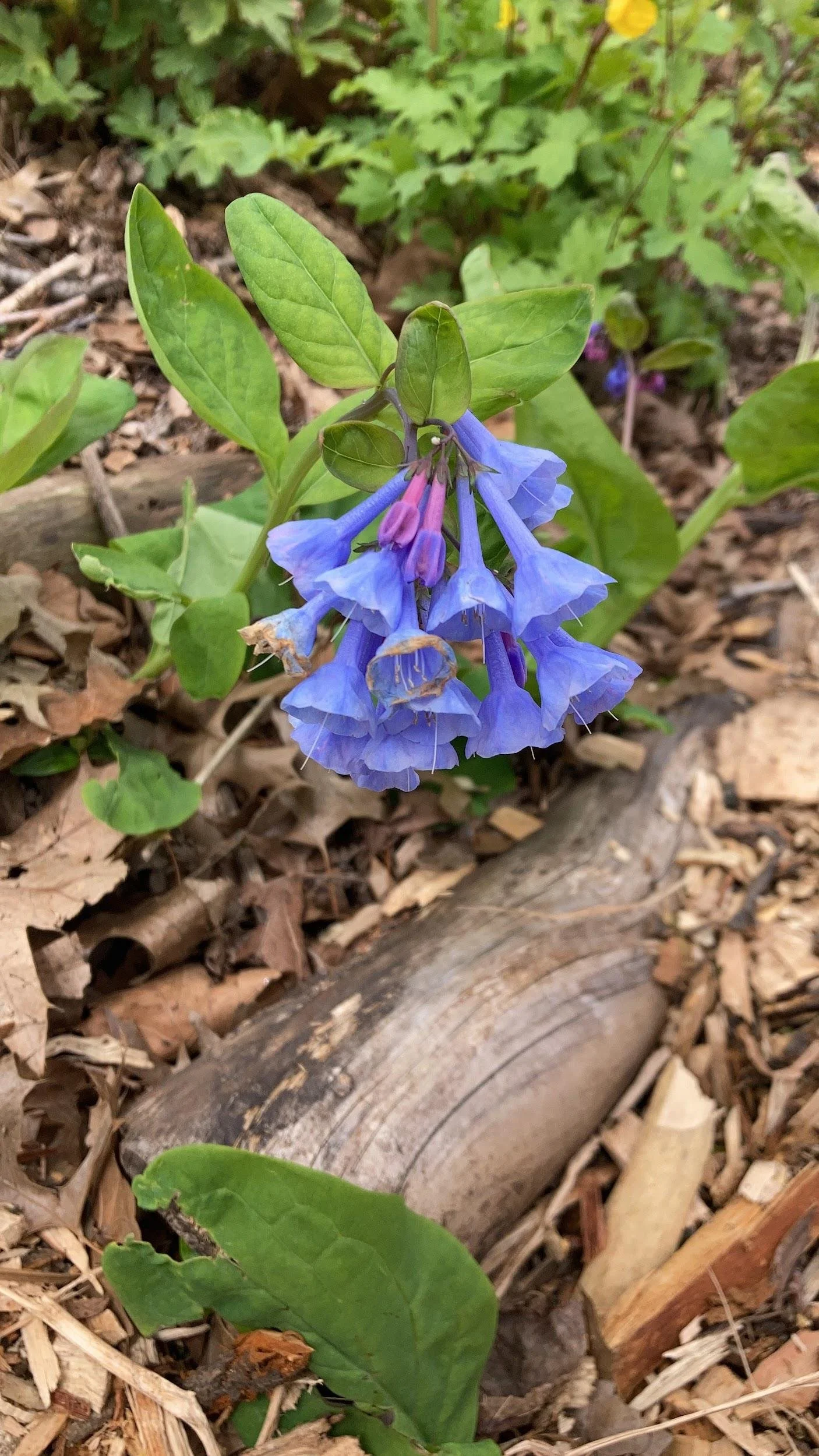
Virginia bluebells (Mertensia virginica)
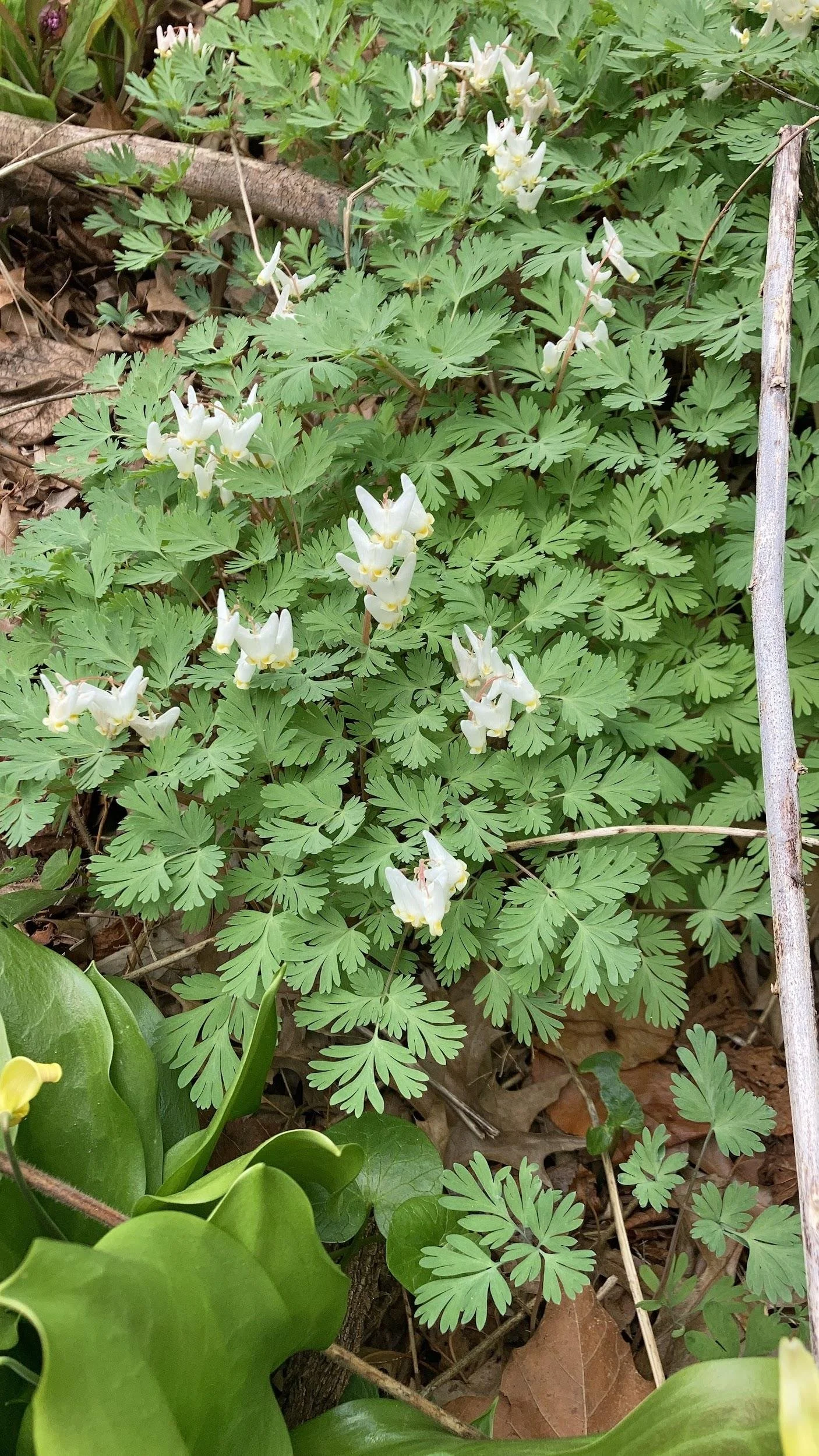
Dutchman's breeches (Dicentra cucullaria)
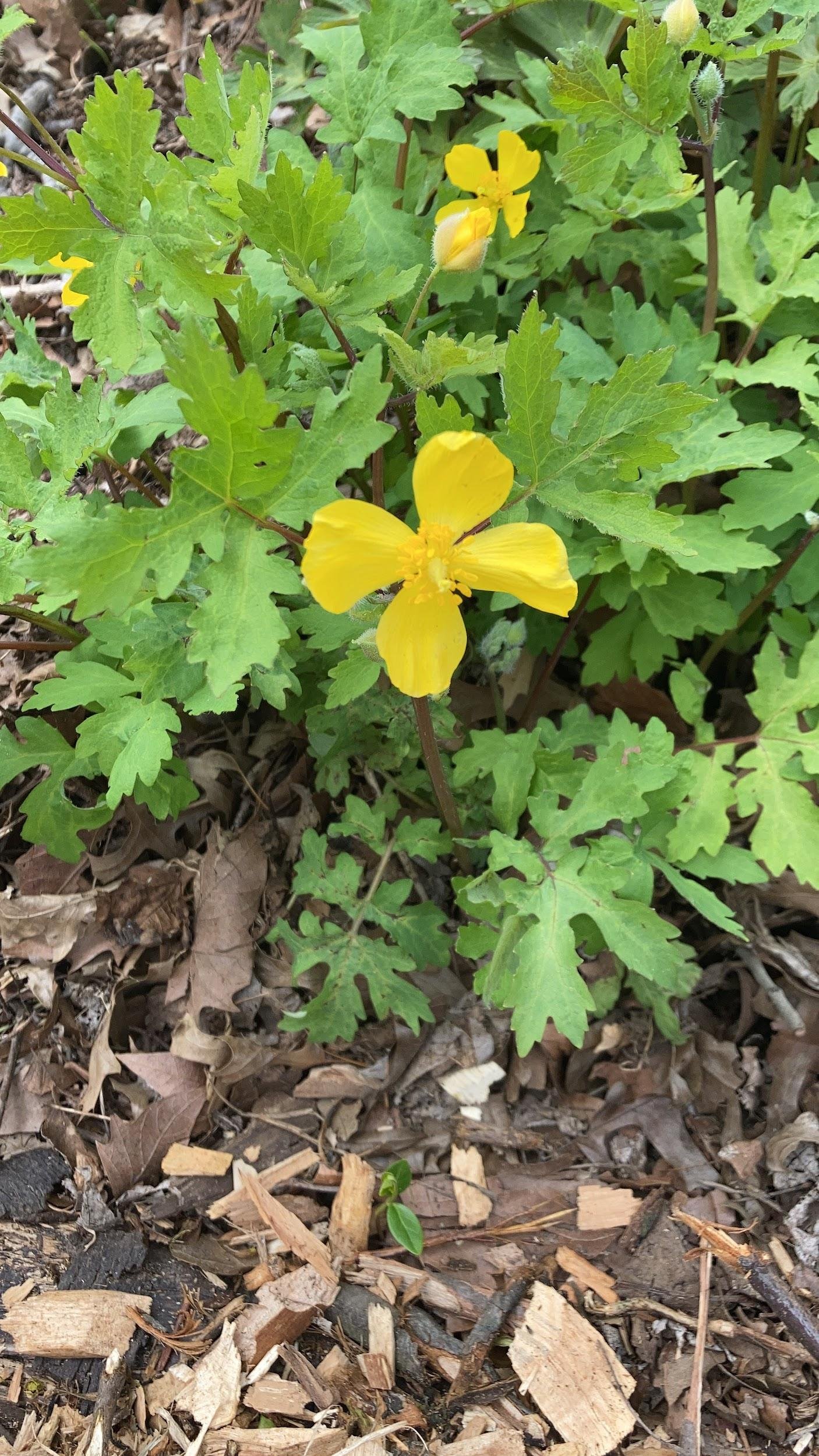
Celandine poppy (Stylophorum diphyllum)
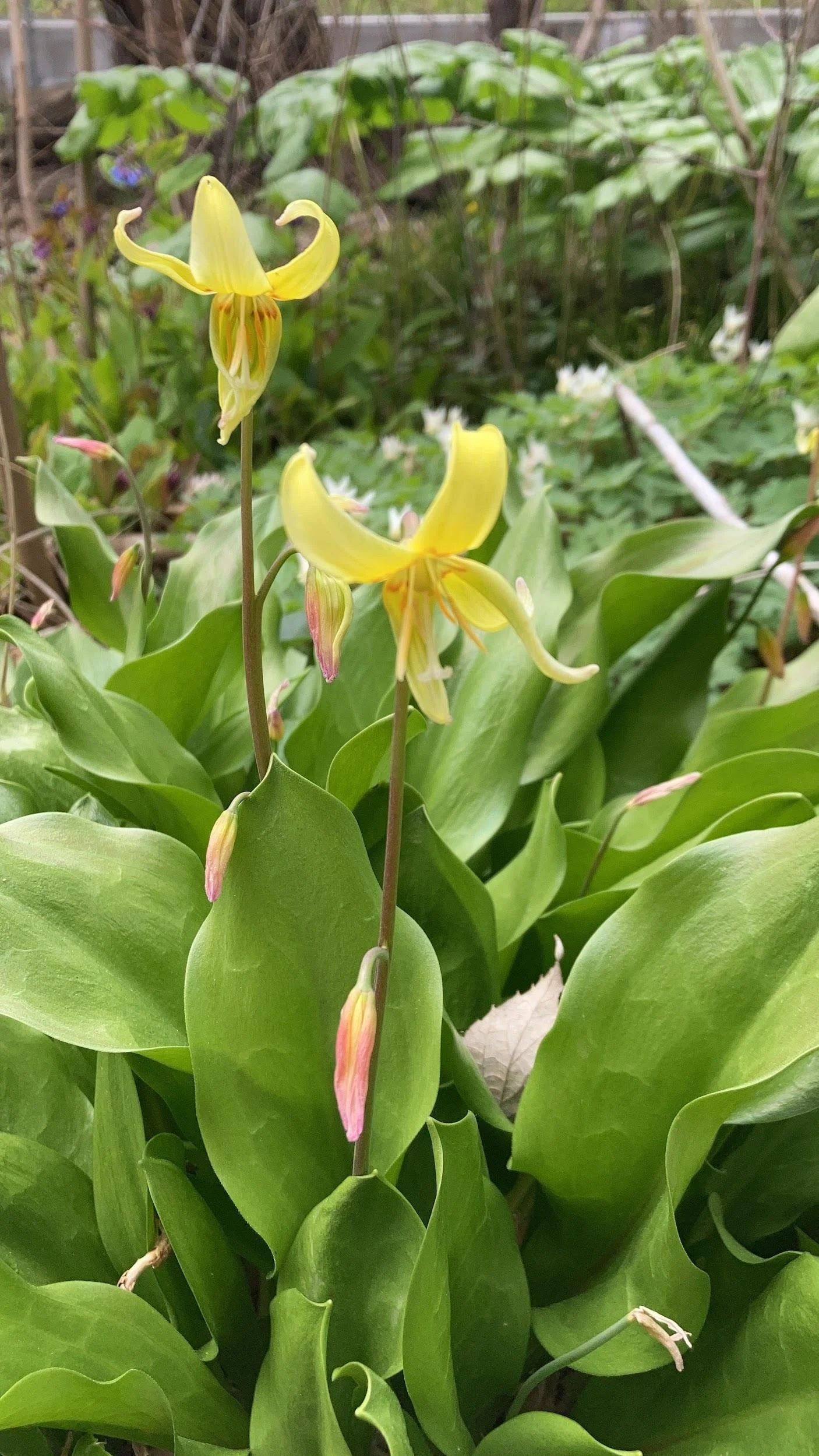
Glacier lily (Erythronium grandiflorum)
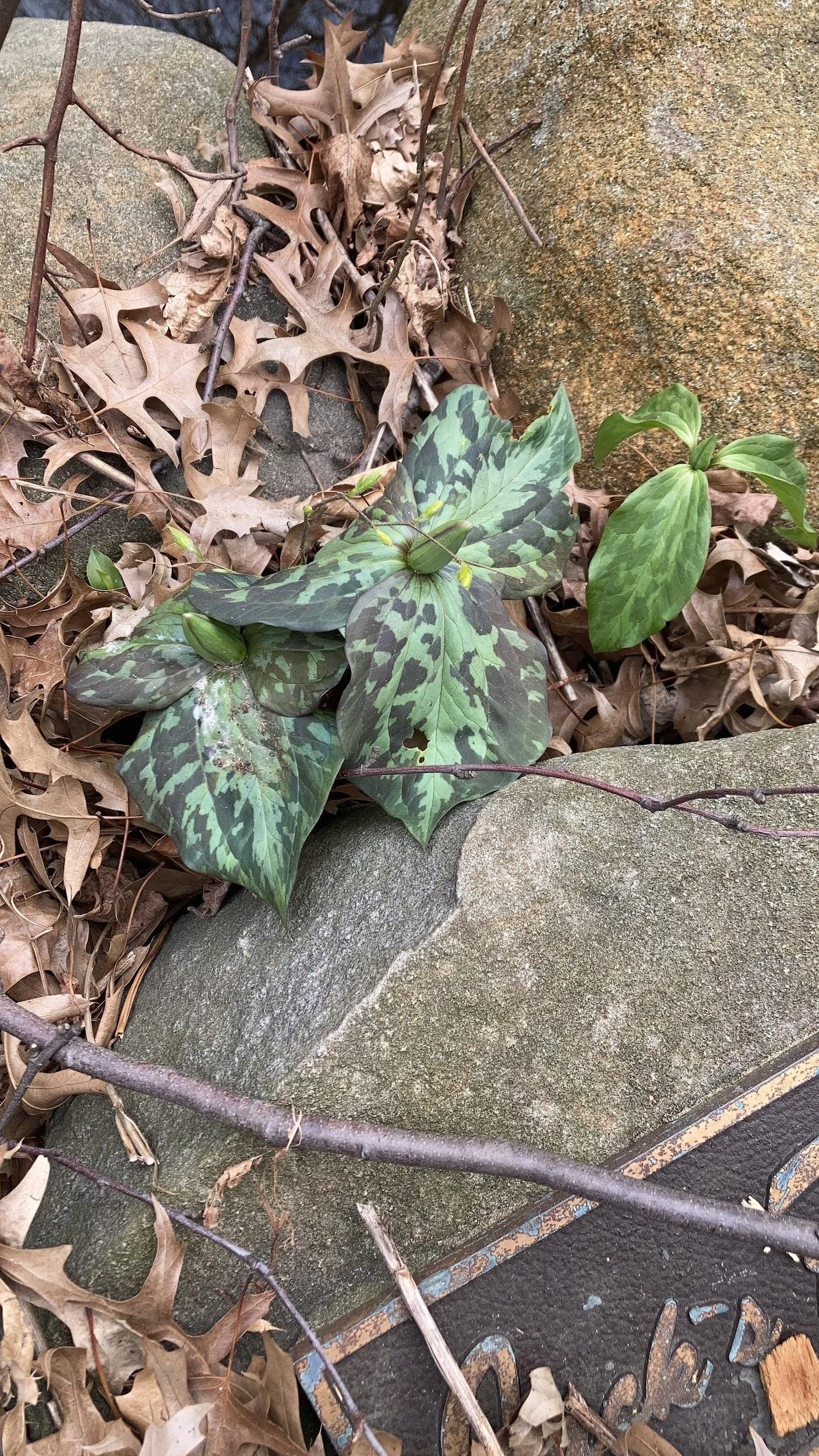
Trillium 'Little Sweet Betsy' (Trillium cuneatum)
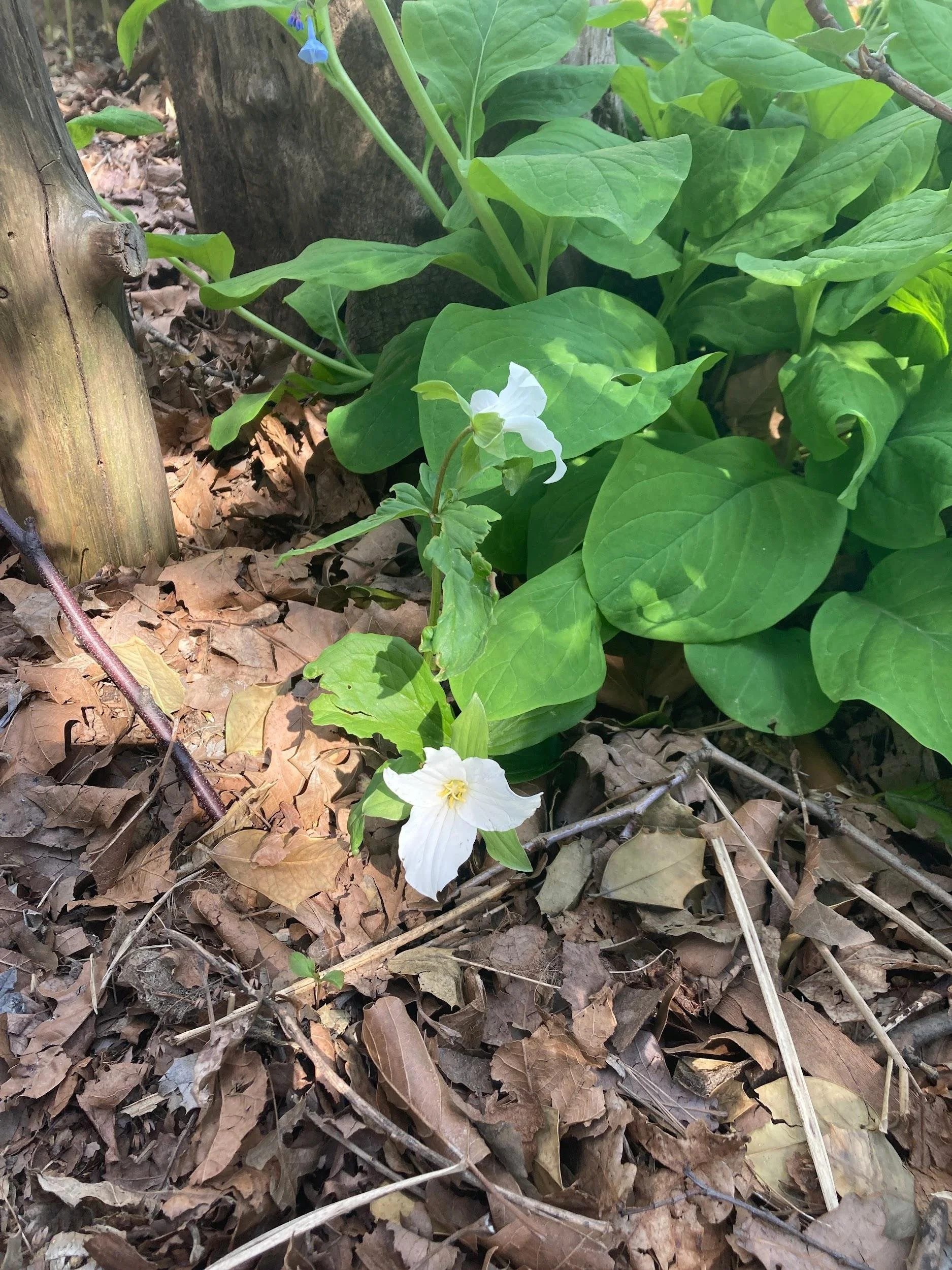
Trillium (Trillium grandiflora)
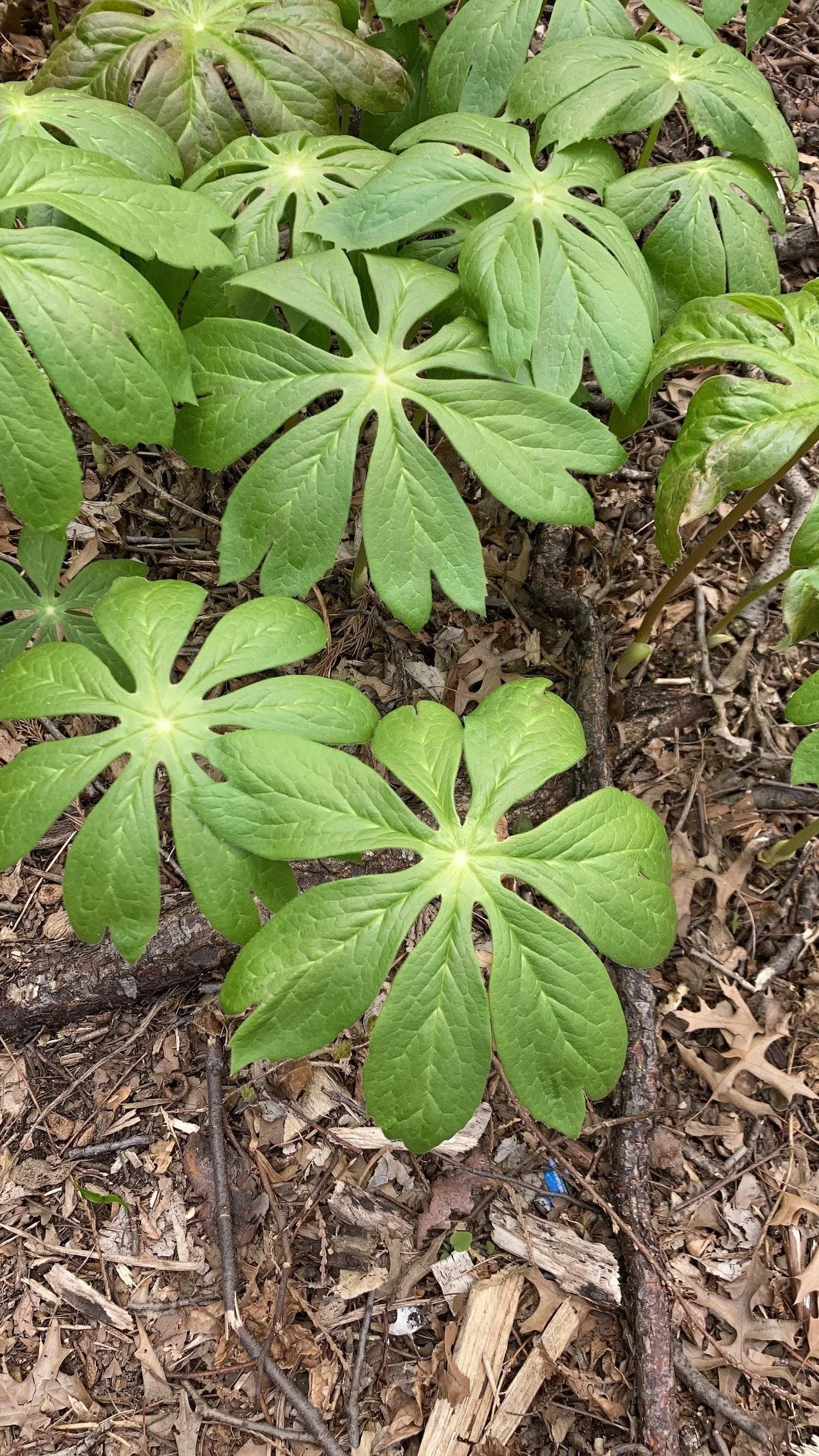
Mayapple (Podophyllum peltatum)
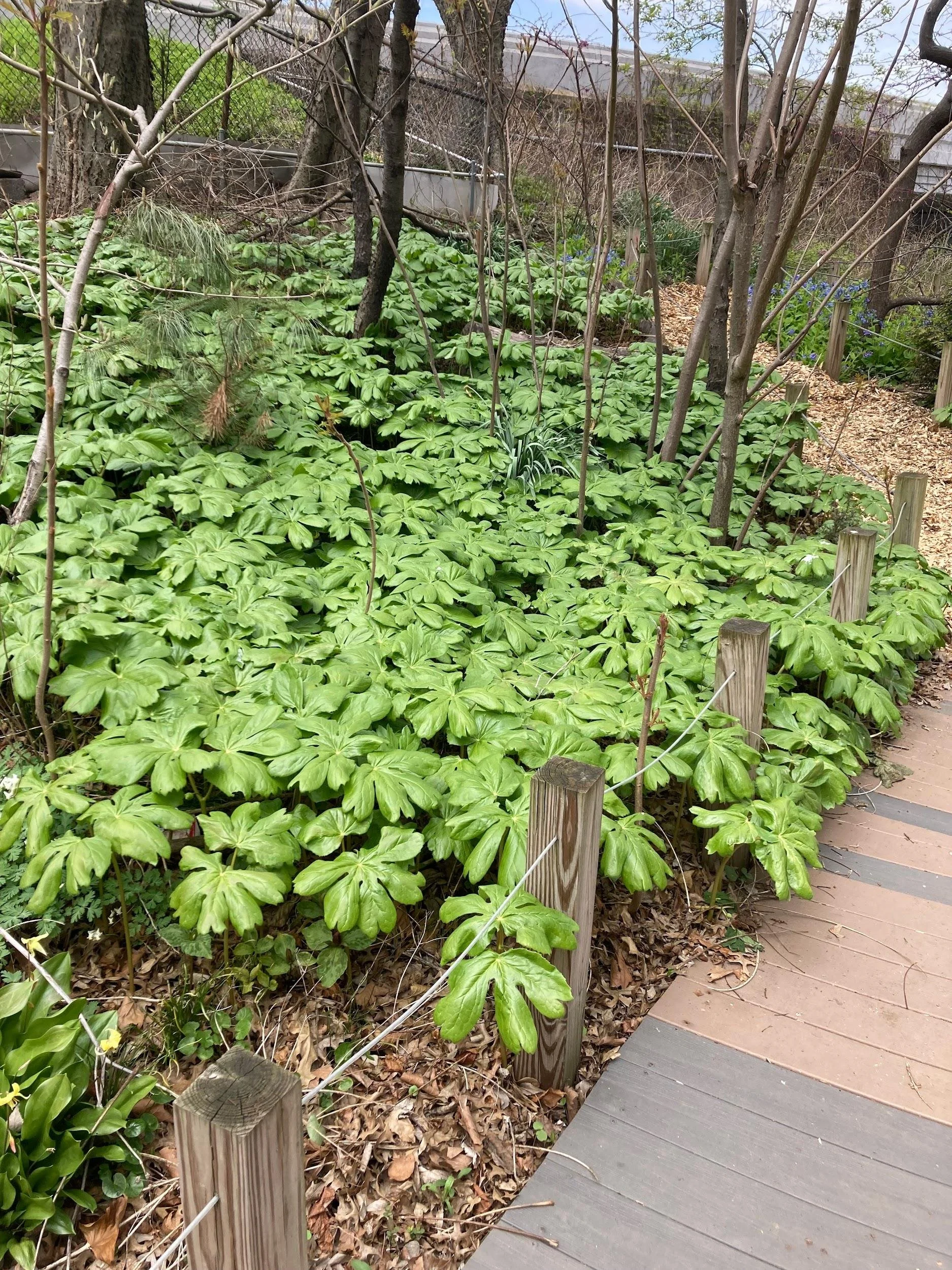
Mayapple (Podophyllum peltatum)
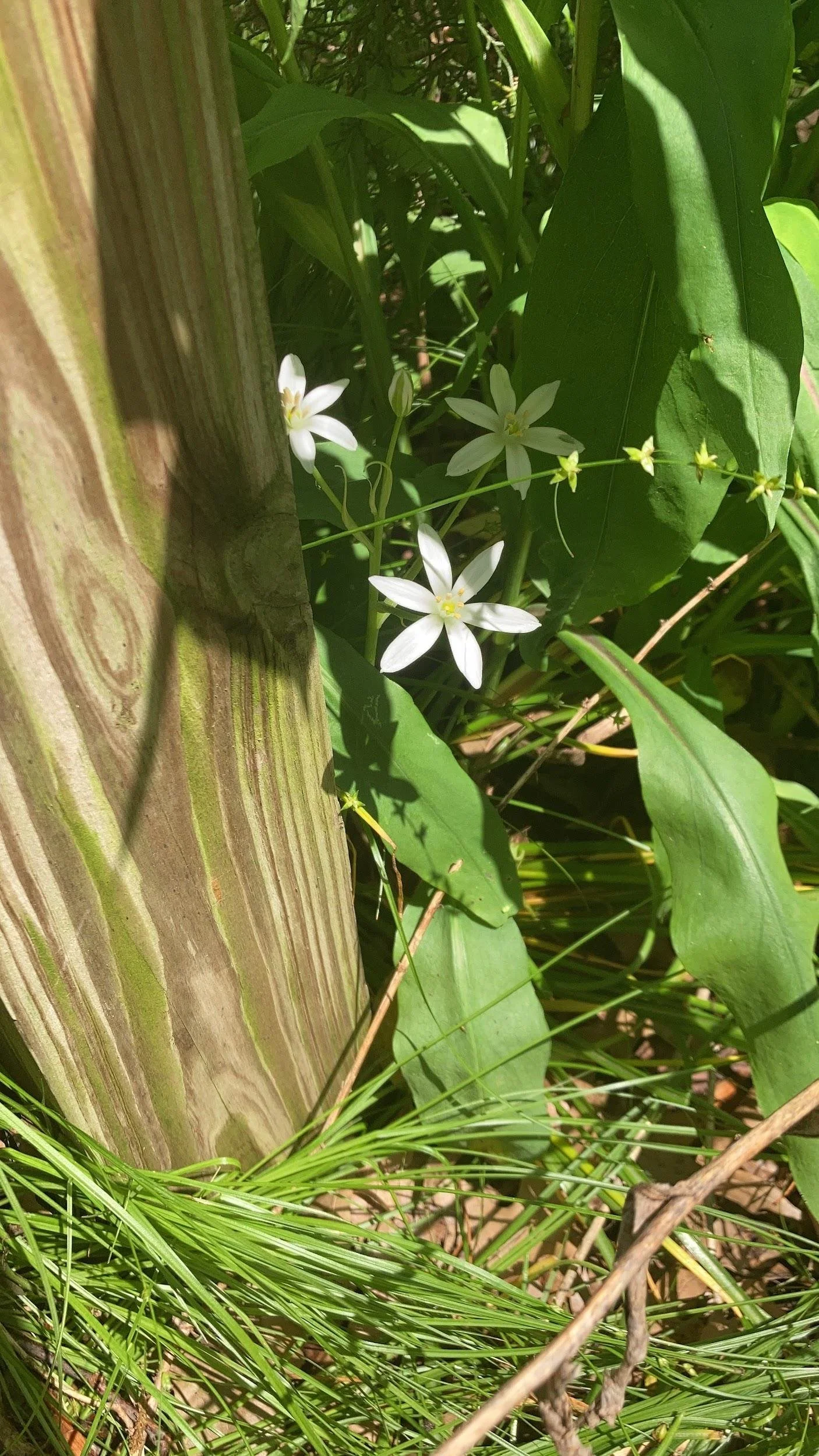
Star of Bethlehem (Parthenocissus quinquefolia)
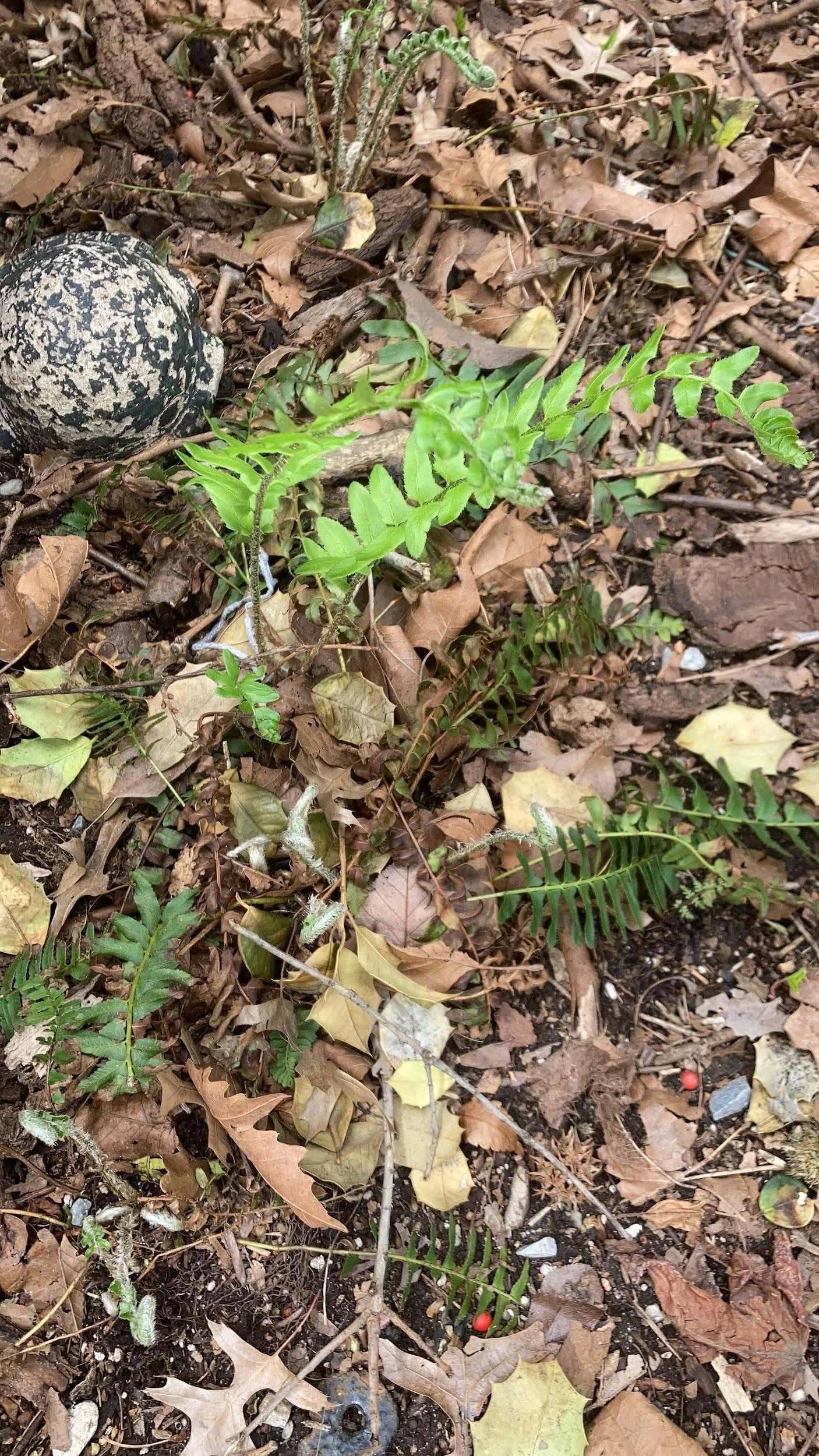
Christmas fern (Polystichum acrostichoides)
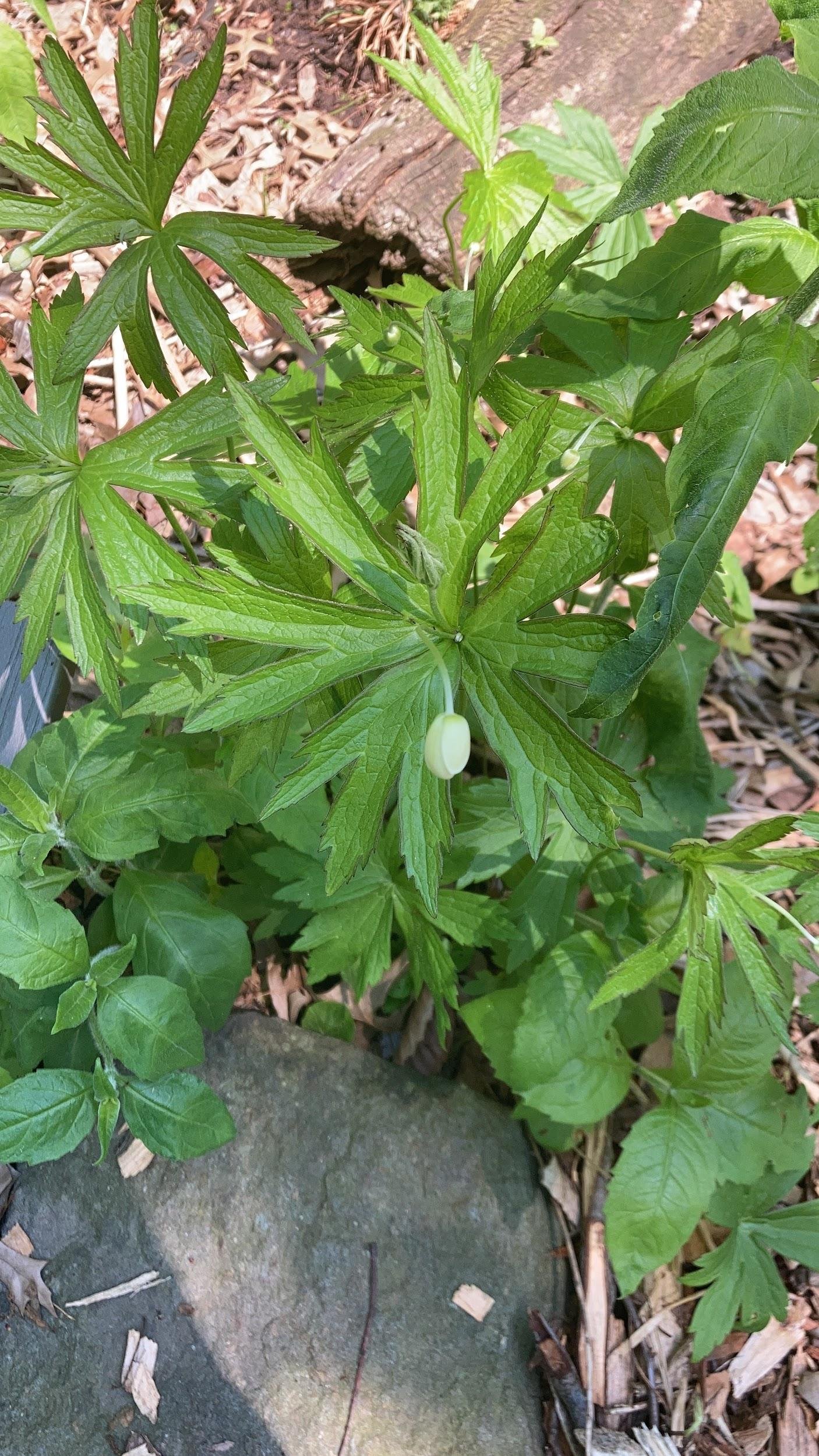
Meadow anemone (Anemonastrum canadense)
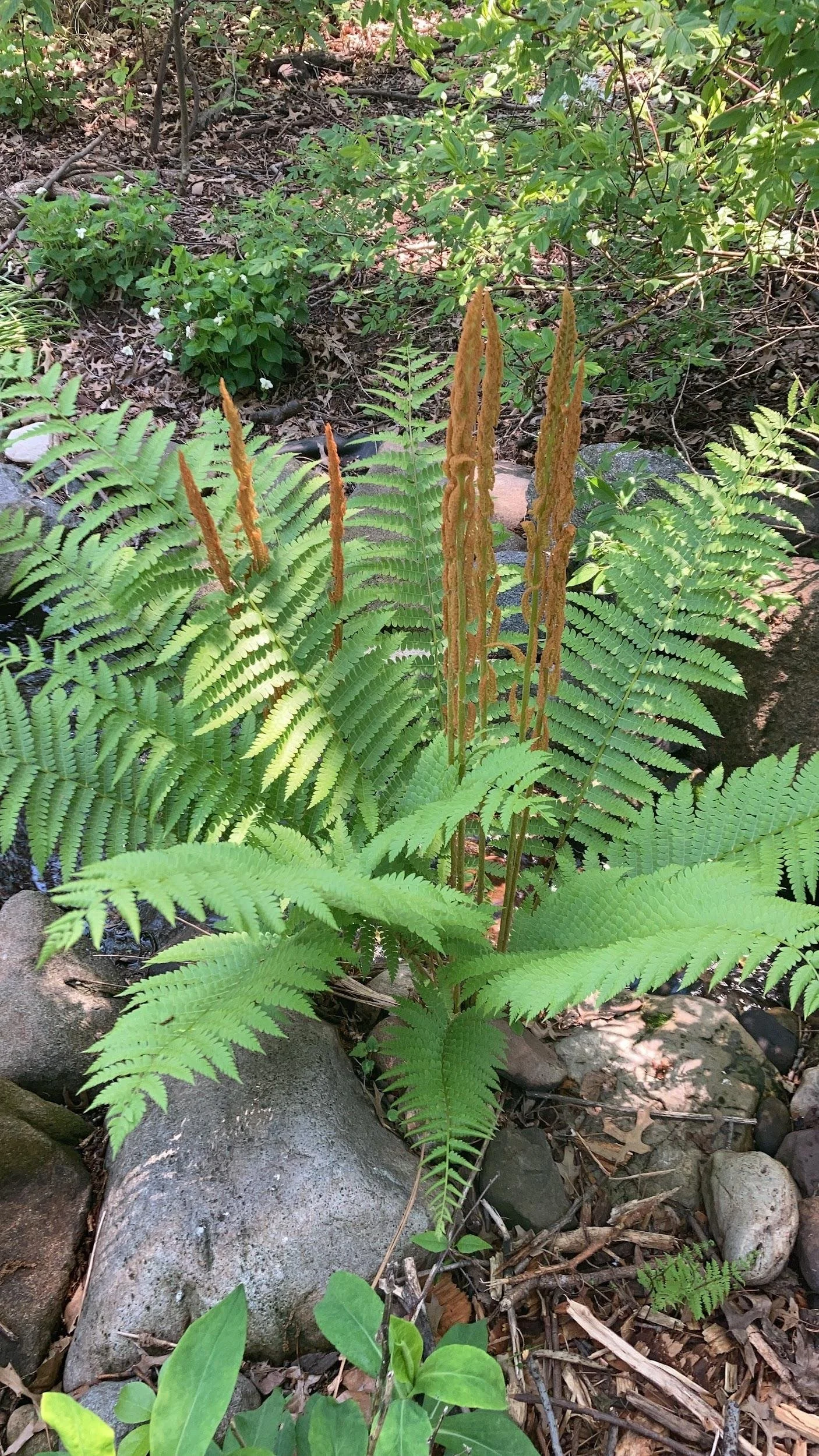
Cinnamon fern (Osmundastrum cinnamomeum)
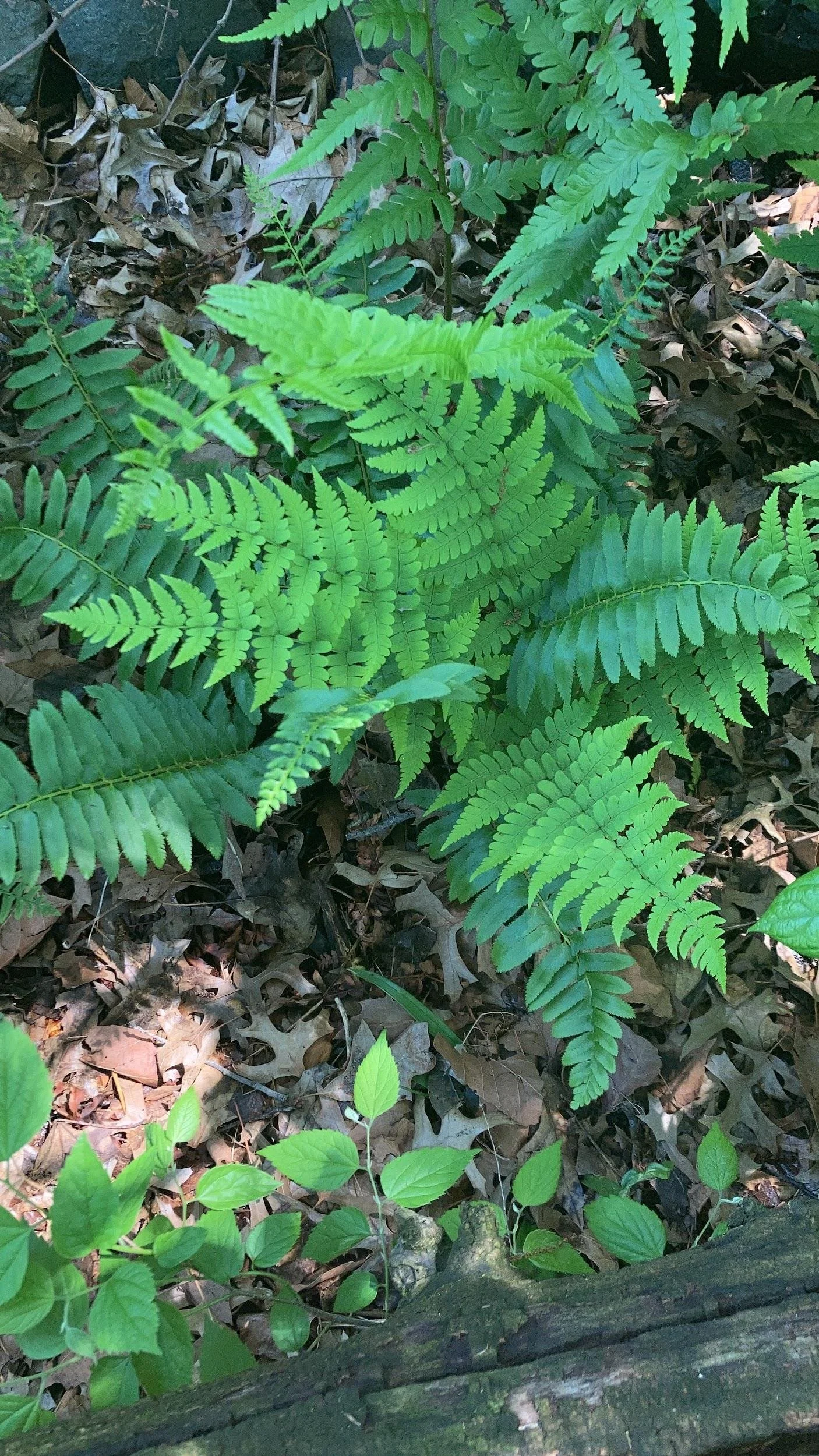
Marginal wood fern (Dryopteris marginalis)
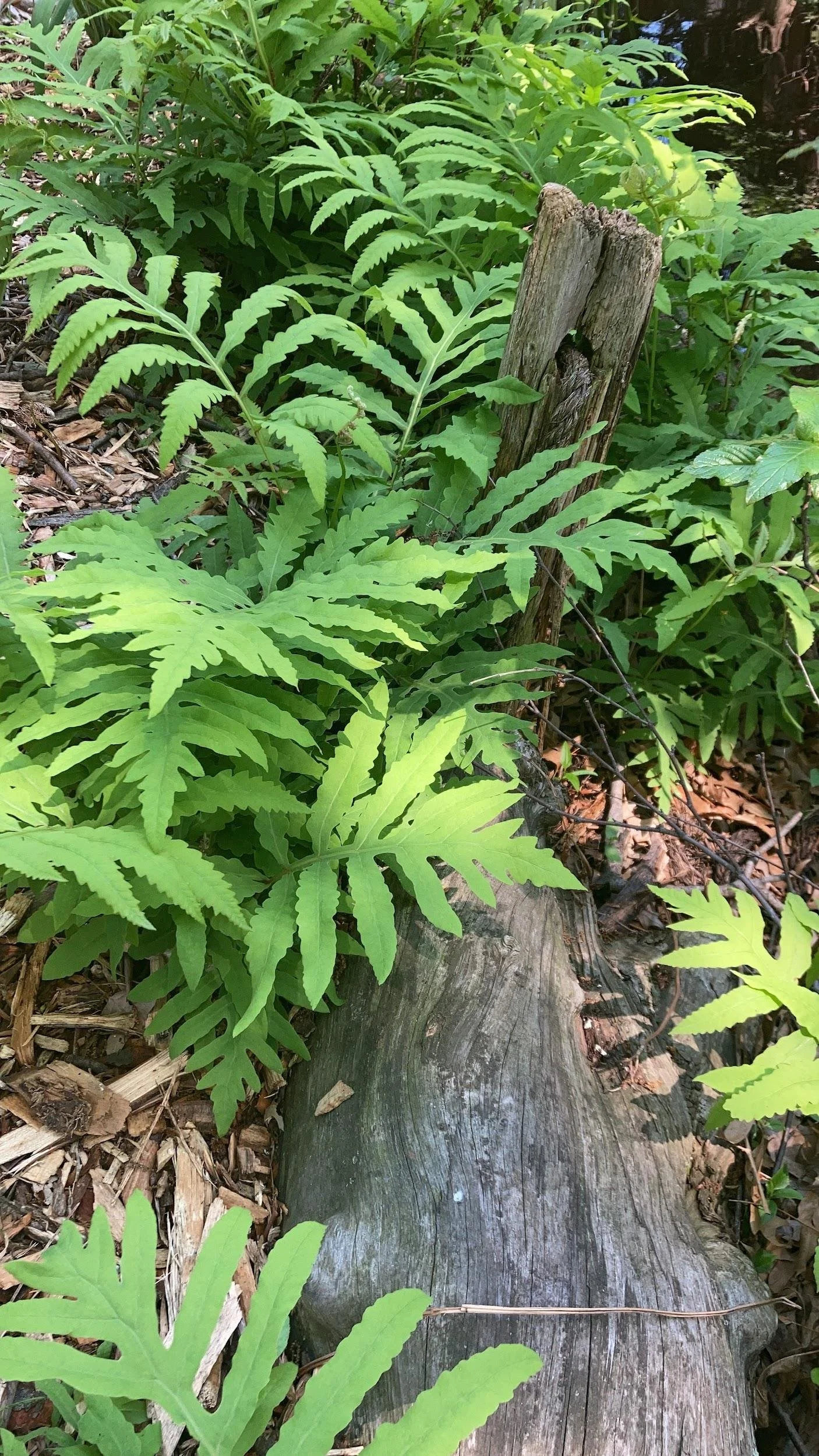
Sensitive fern (Onoclea sensibilis)
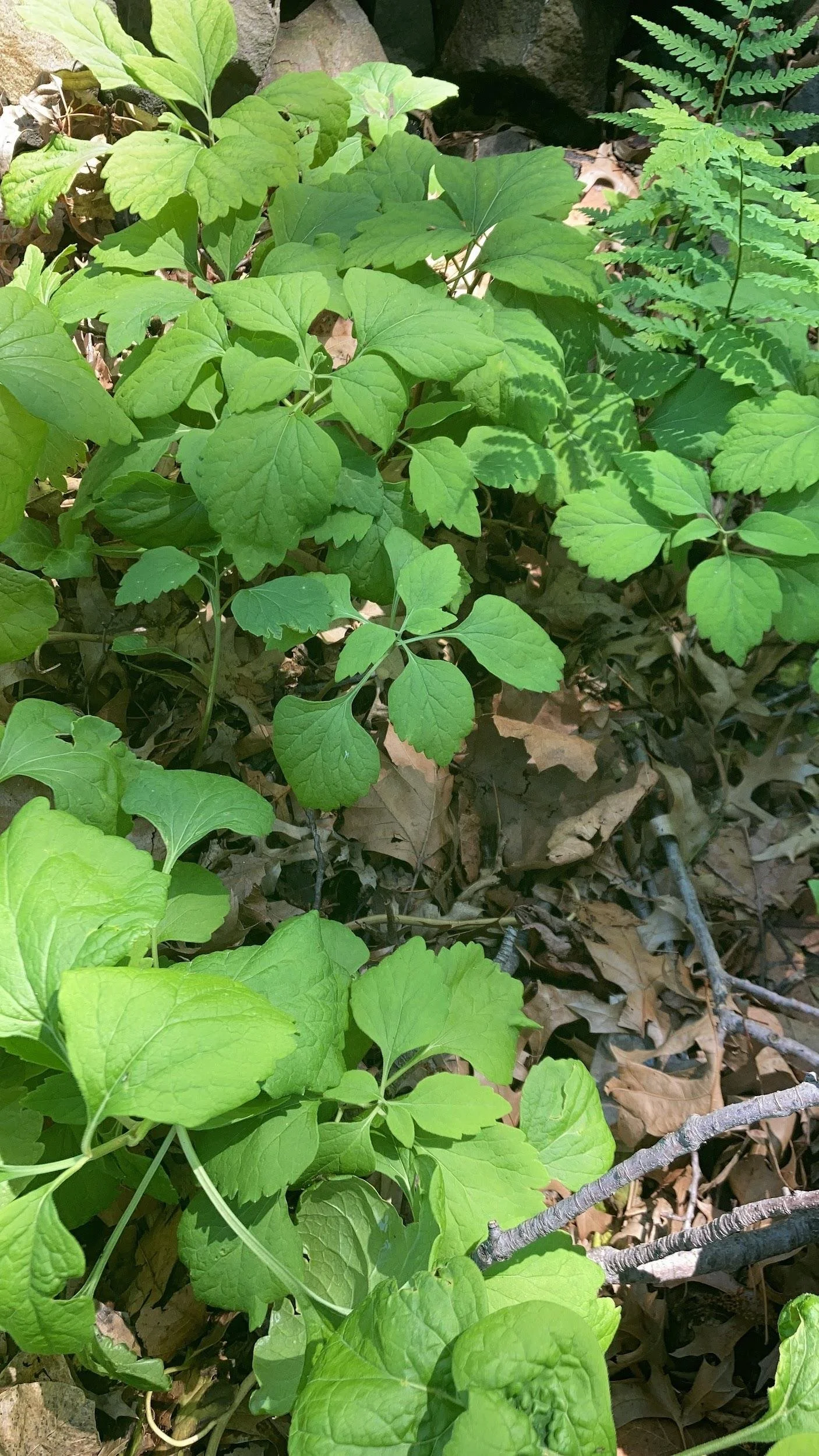
Allegheny spurge (Pachysandra procumbens)
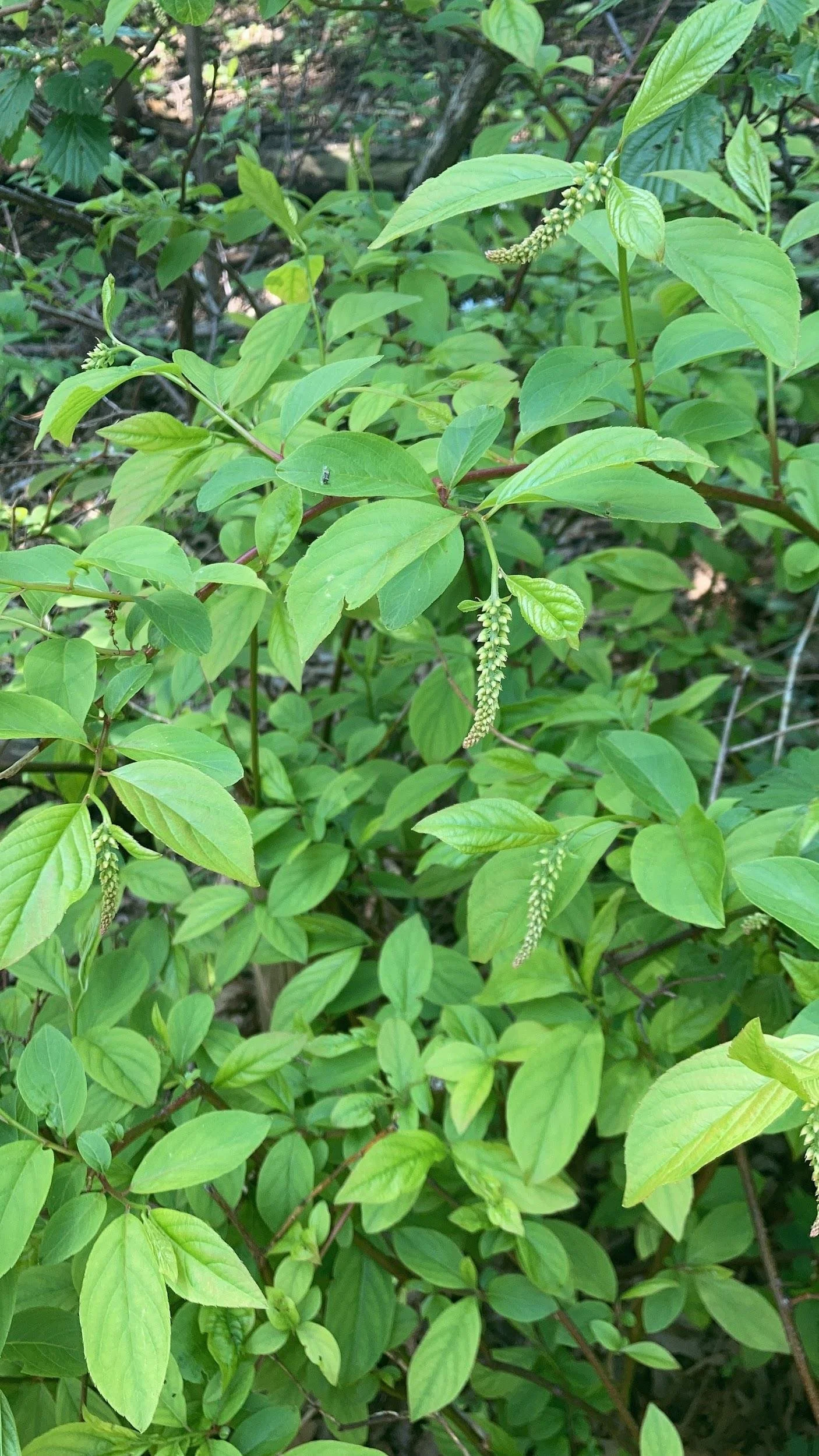
Virginia sweetspire (Itea virginica)
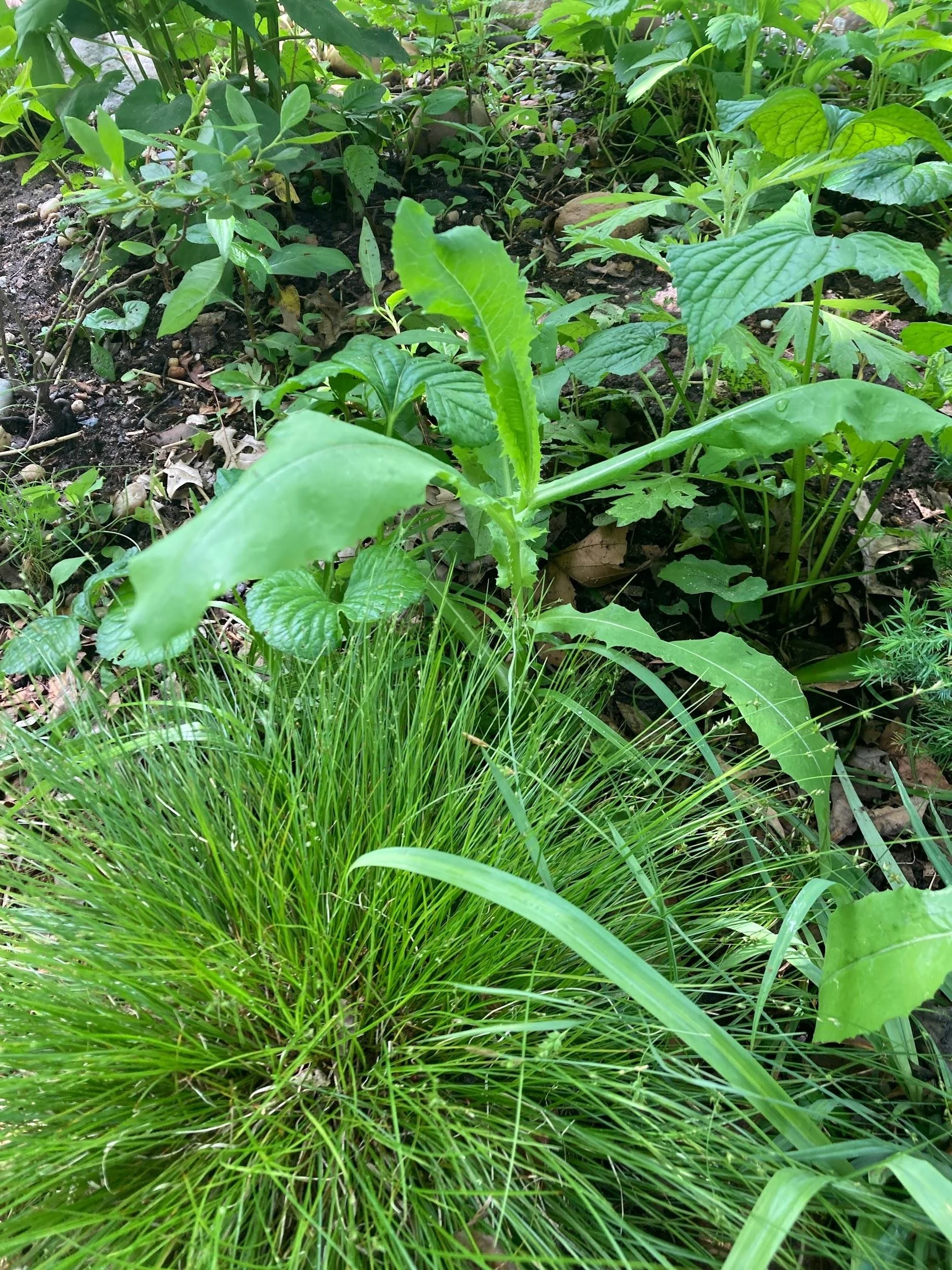
Wild lettuce (Lactuca canadensis)
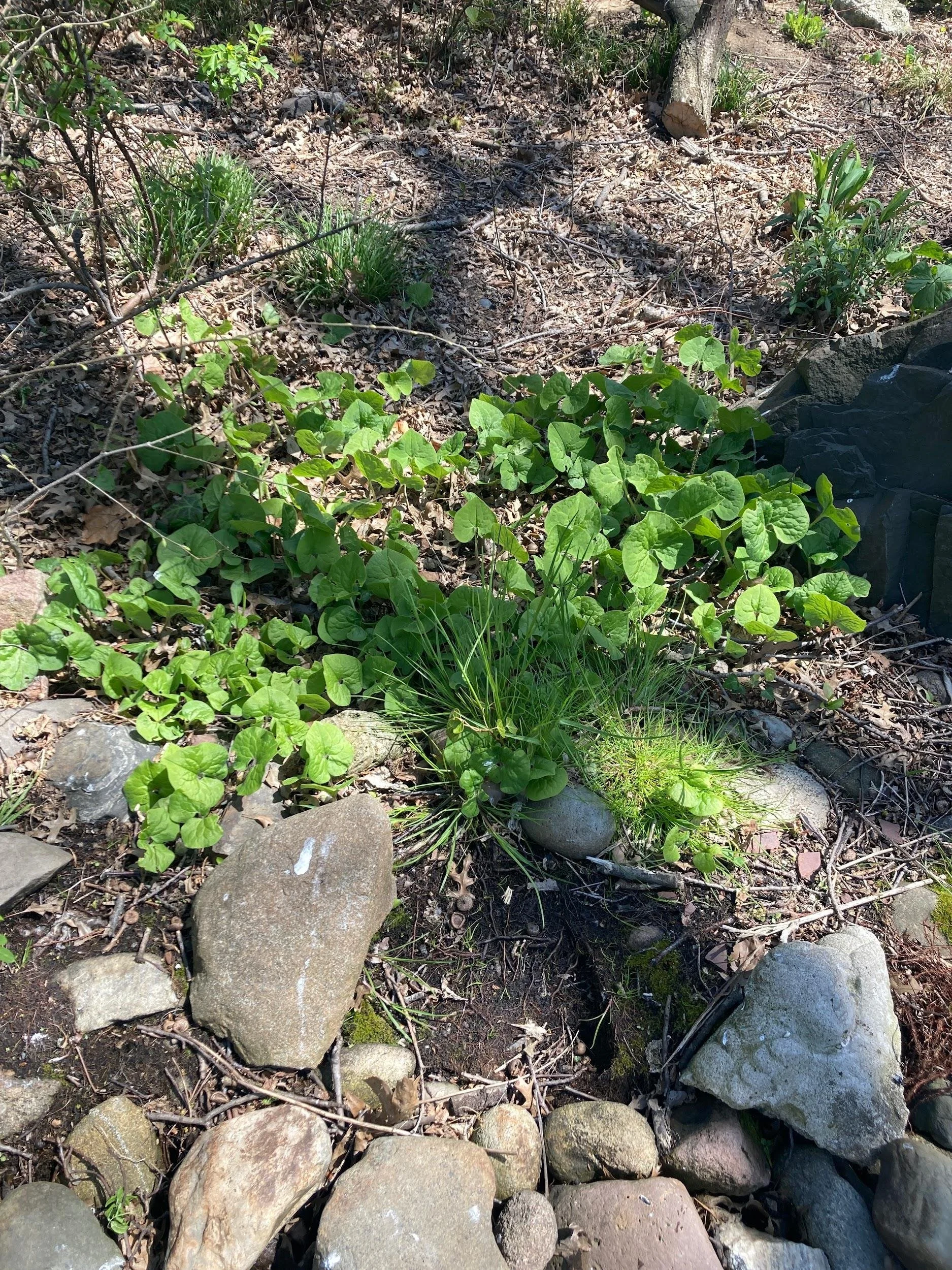
Wild ginger (Asarum canadense)
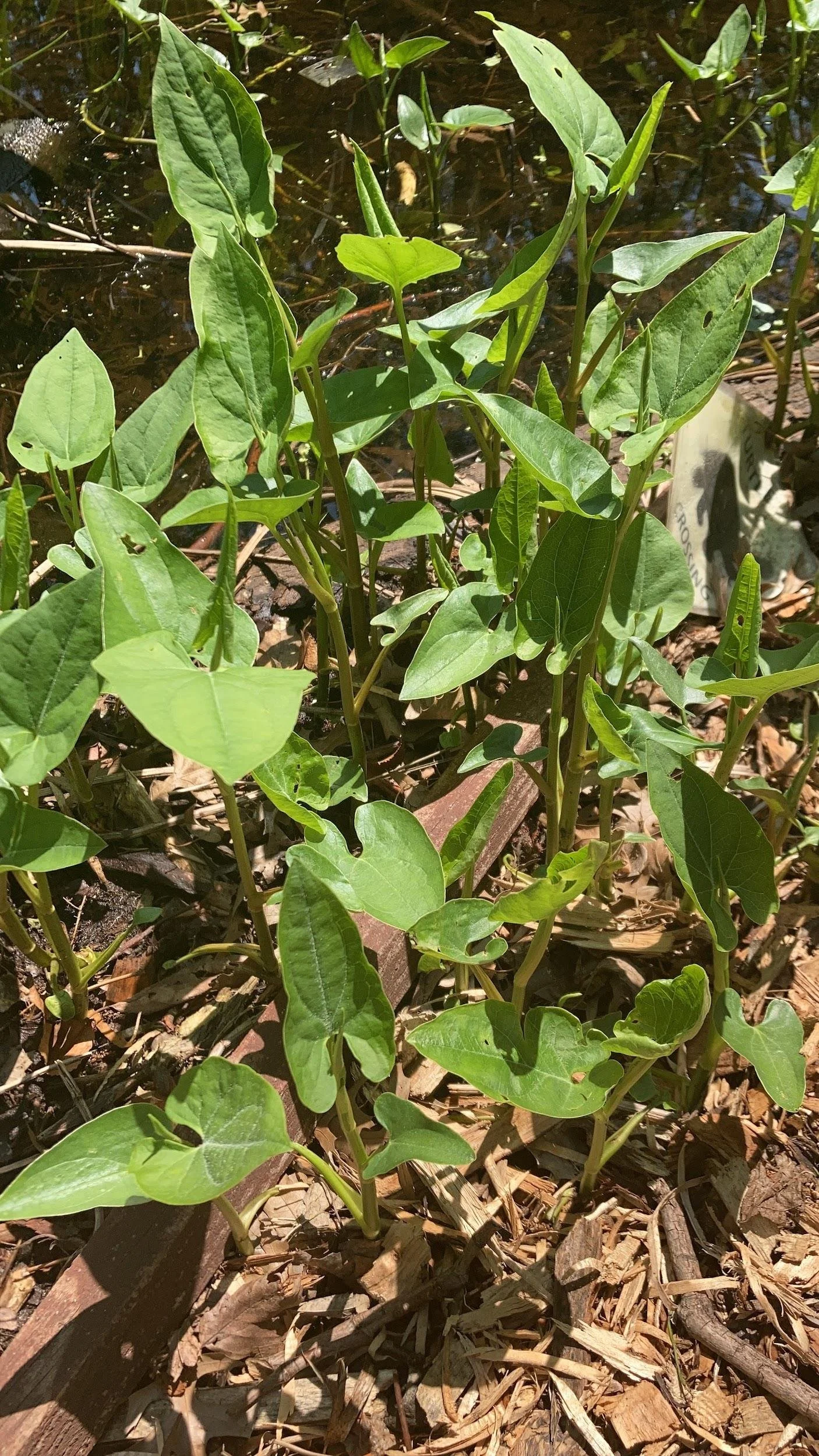
Lizards tail (Saururus cernuus)
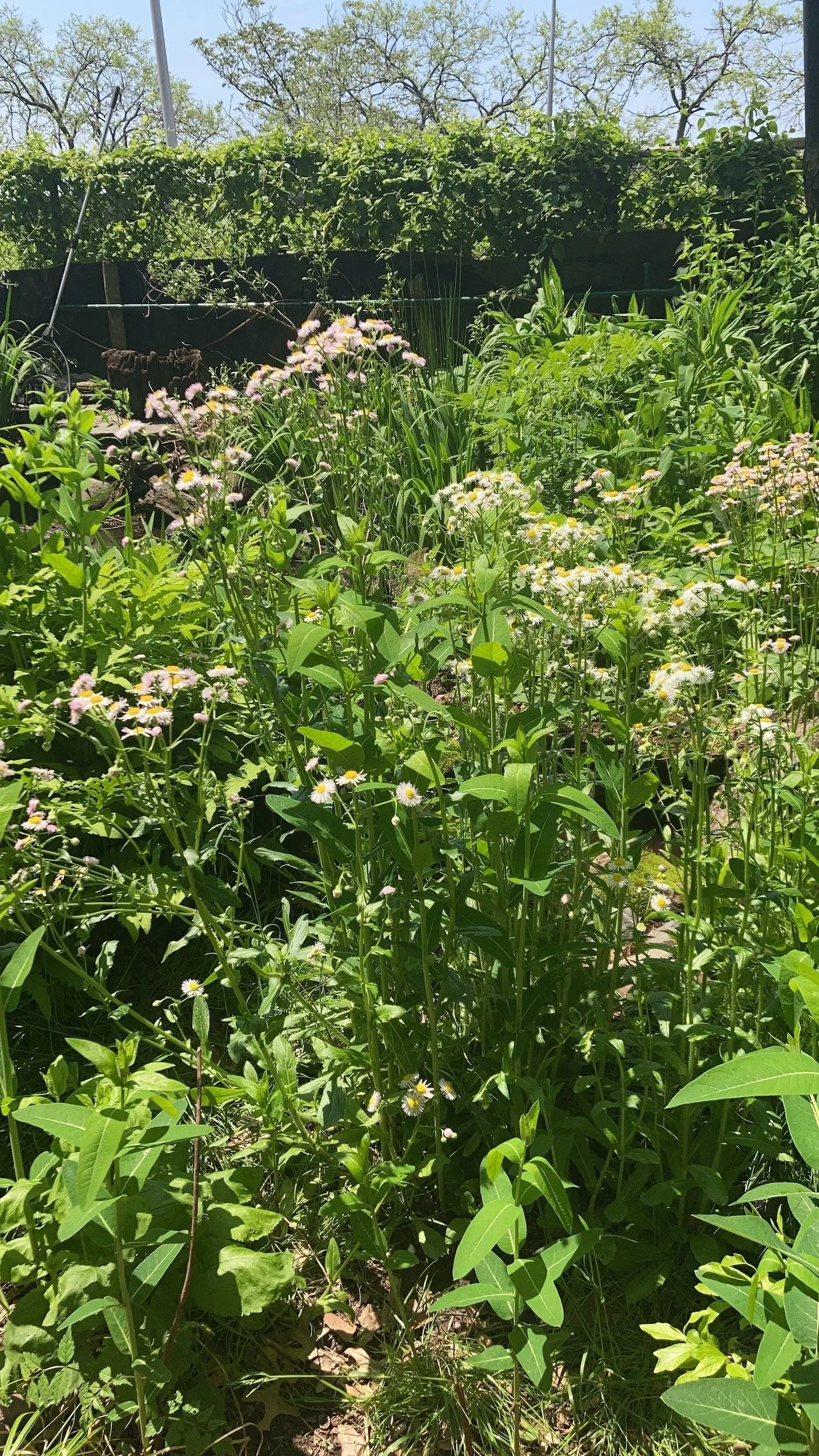
Daisy fleabane (Erigeron philadelphicus)
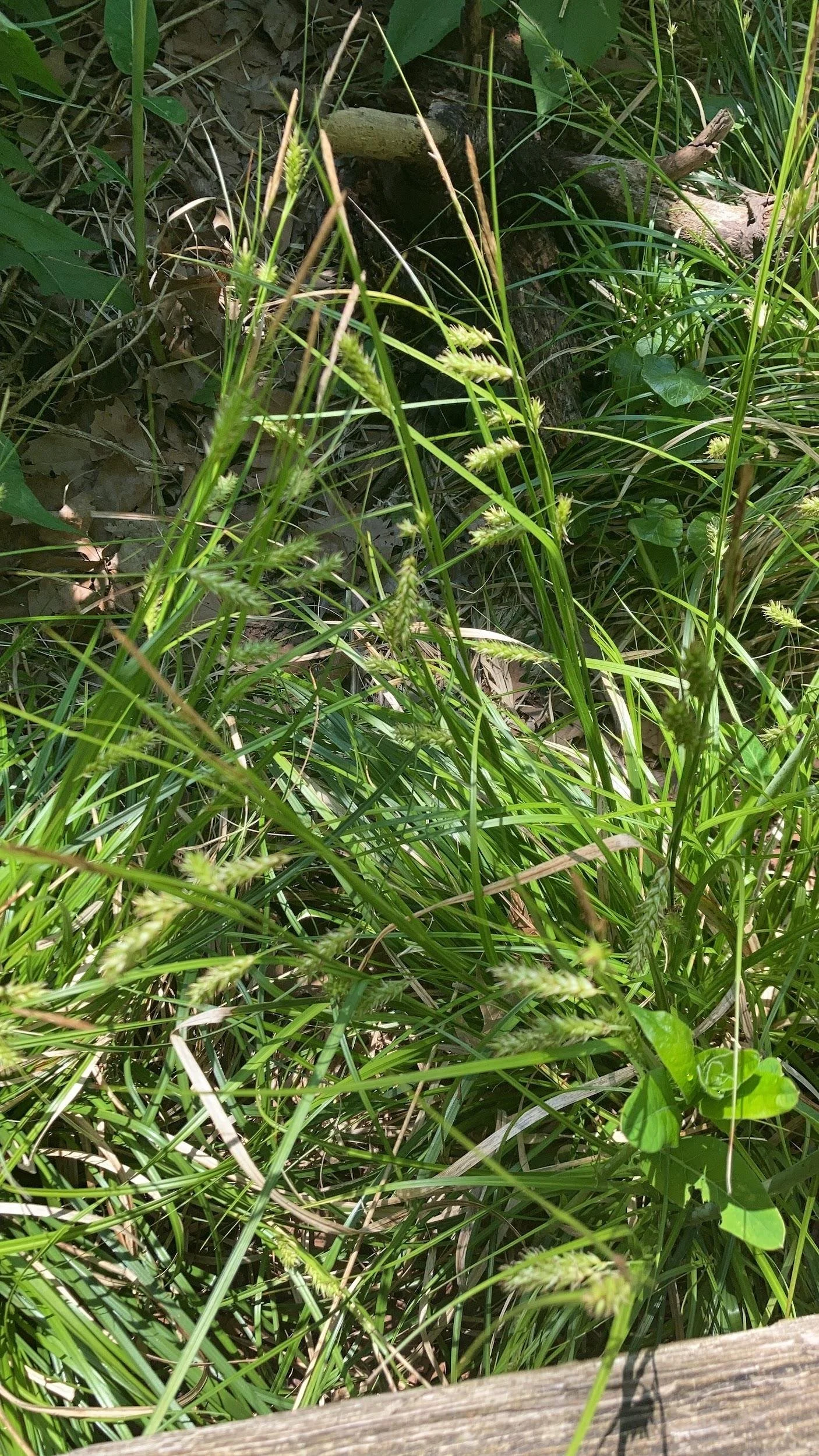
Cherokee sedge (Carex cherokeensis)
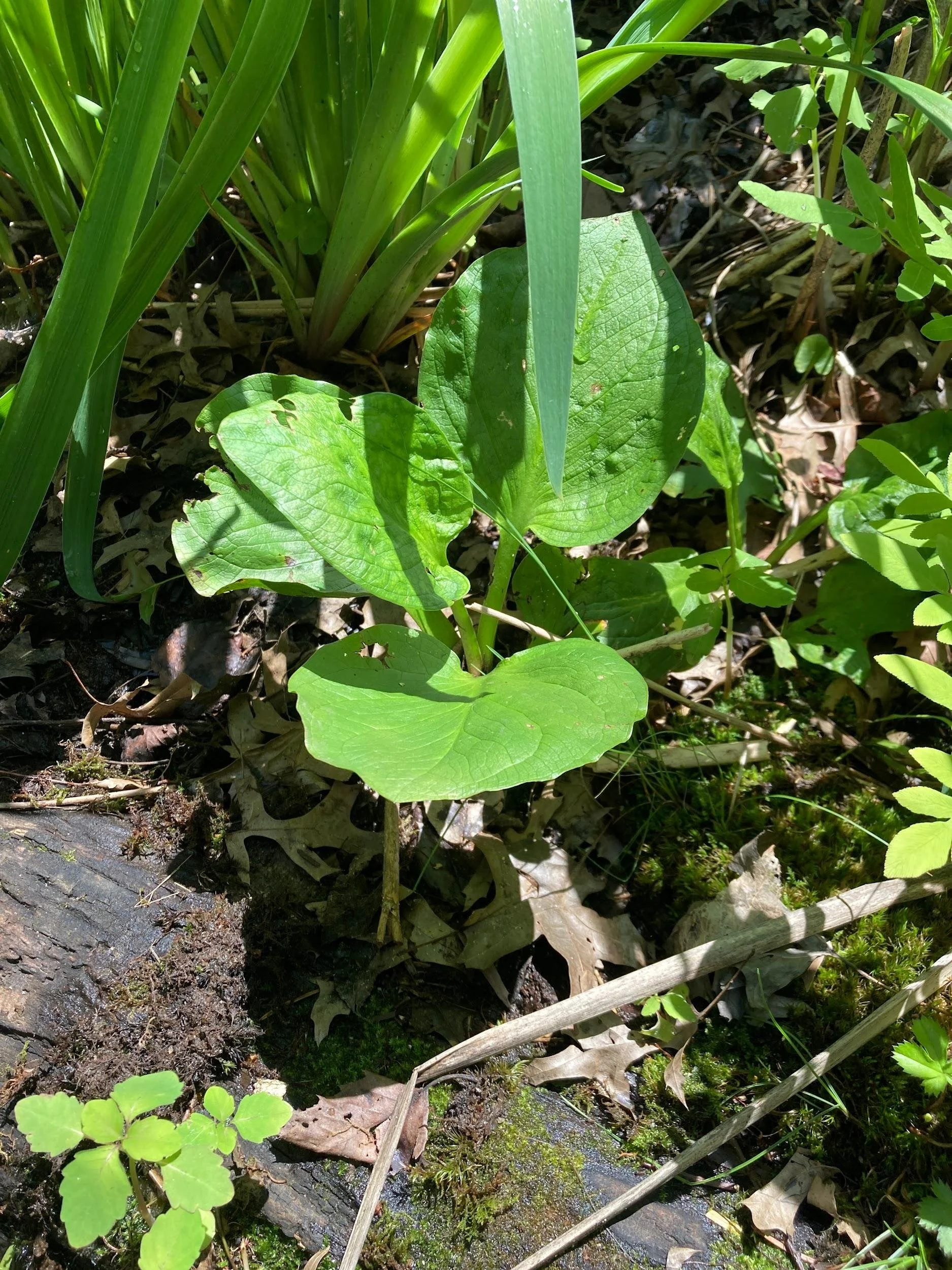
Skunk cabbage (Symplocarpus foetidus)
Trees, shrubs & vines collection
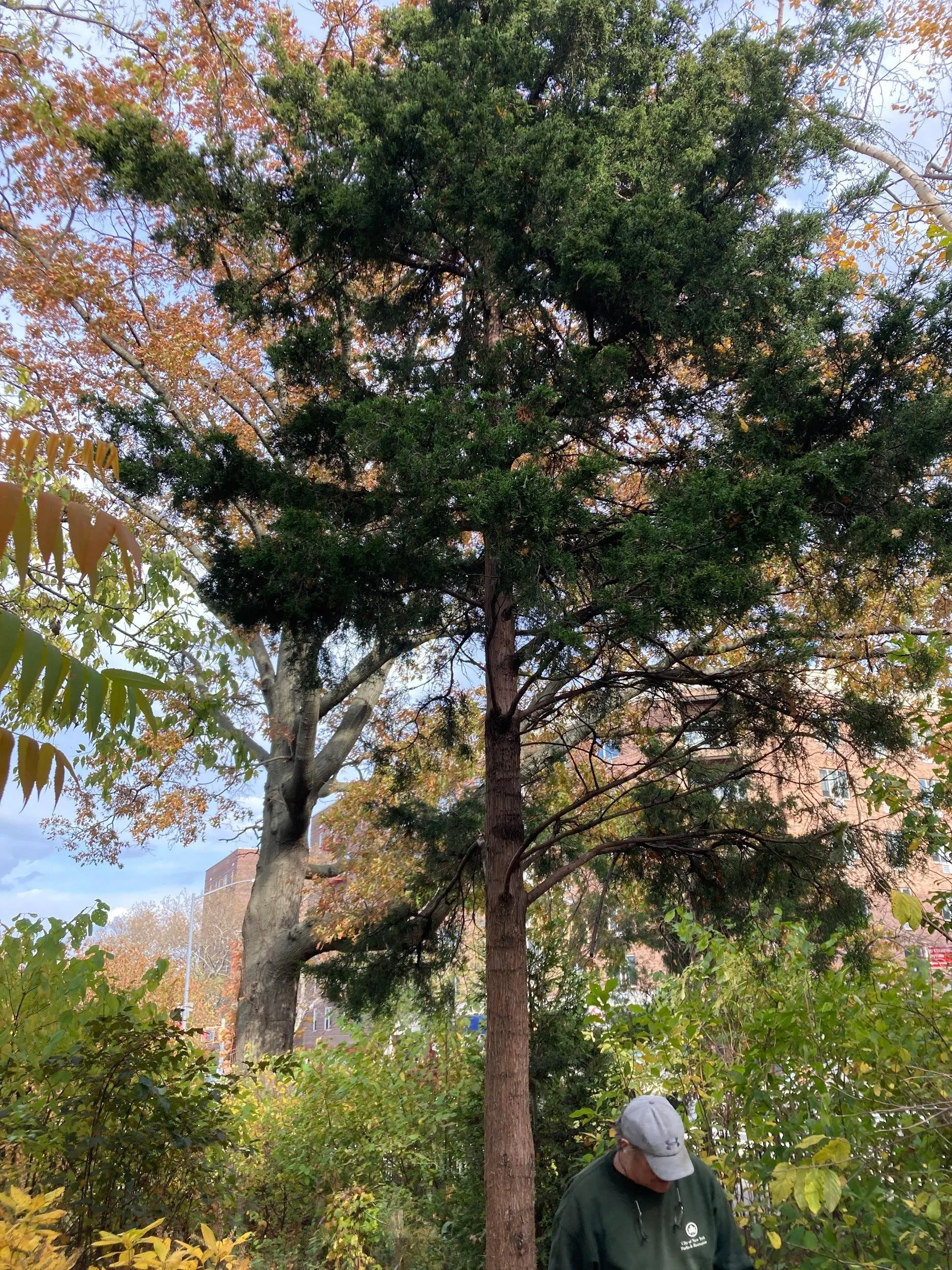
Eastern red cedar (Juniperus virginiana)
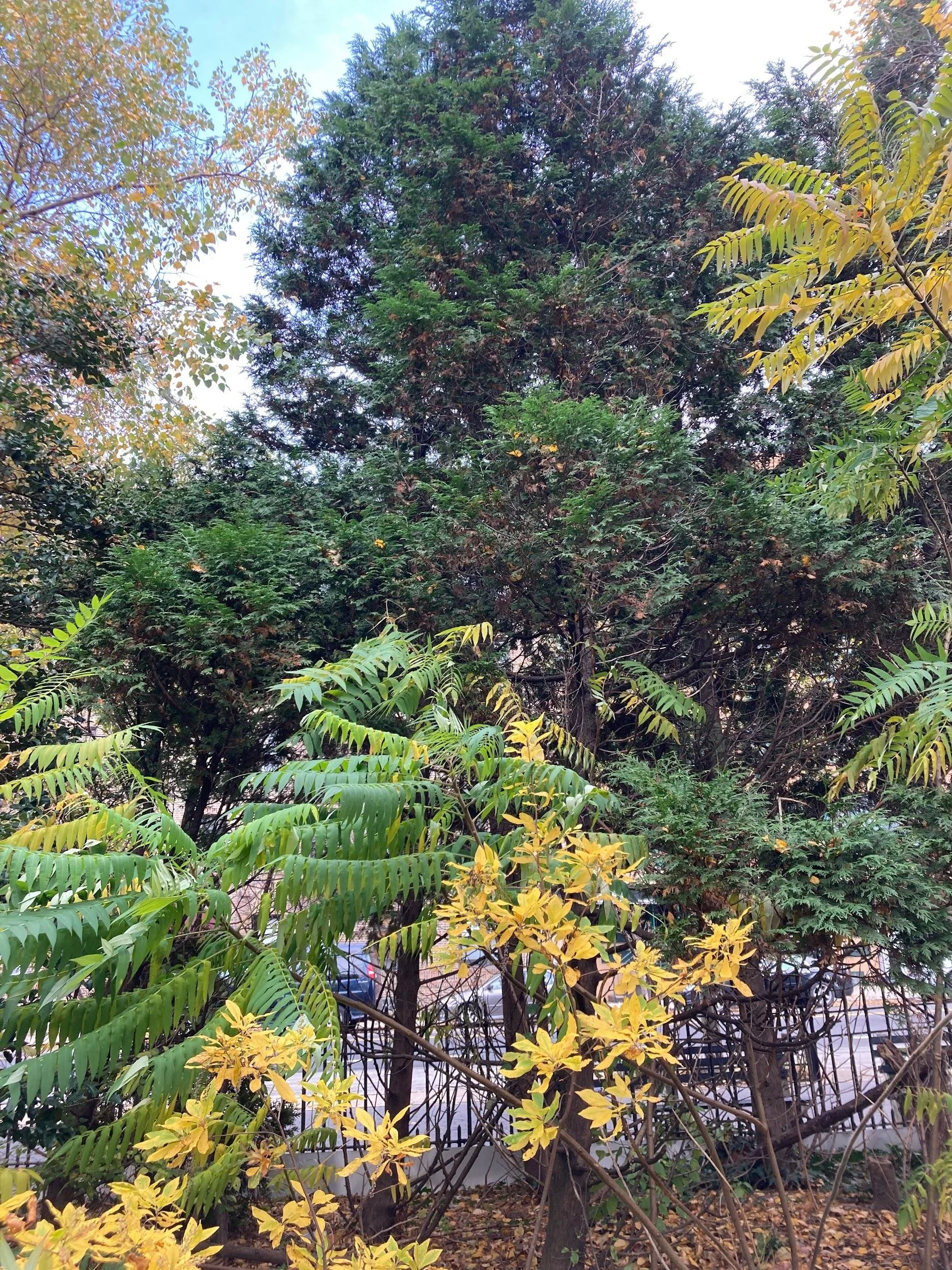
Western red cedar (Thuja plicata)
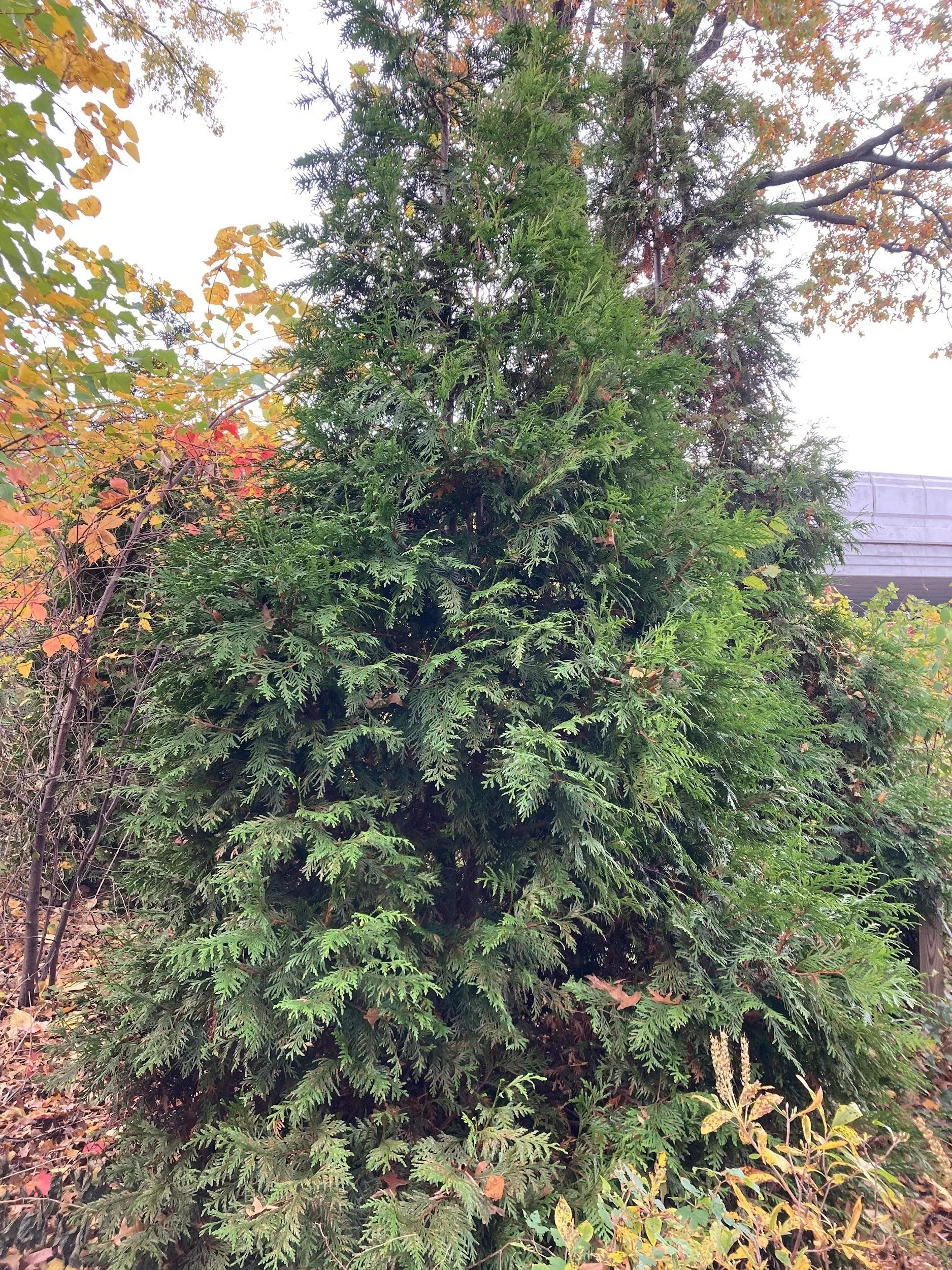
Arborvitae (Thuja standishii x plicata 'Green Giant')
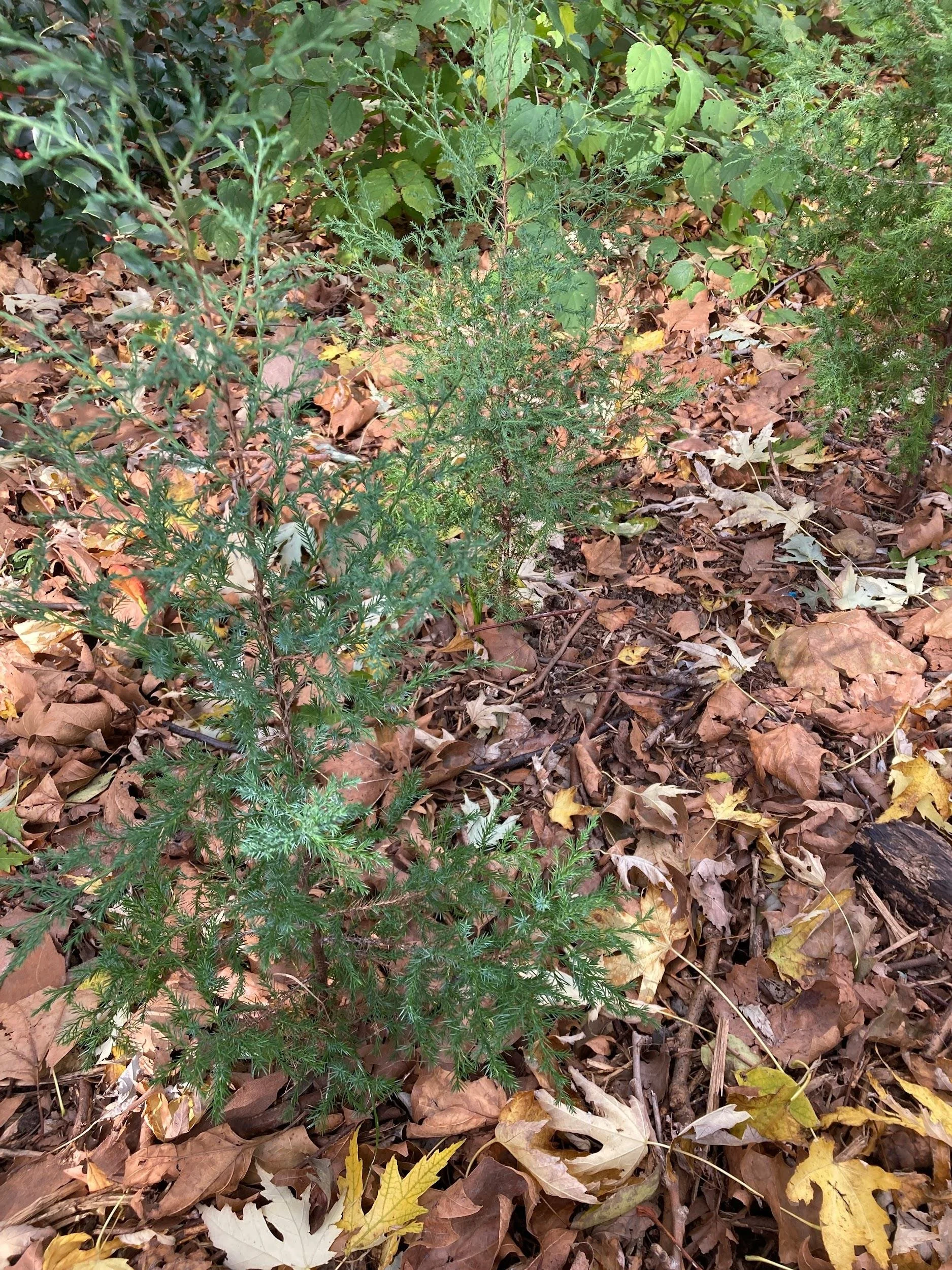
Native juniper (unknown)
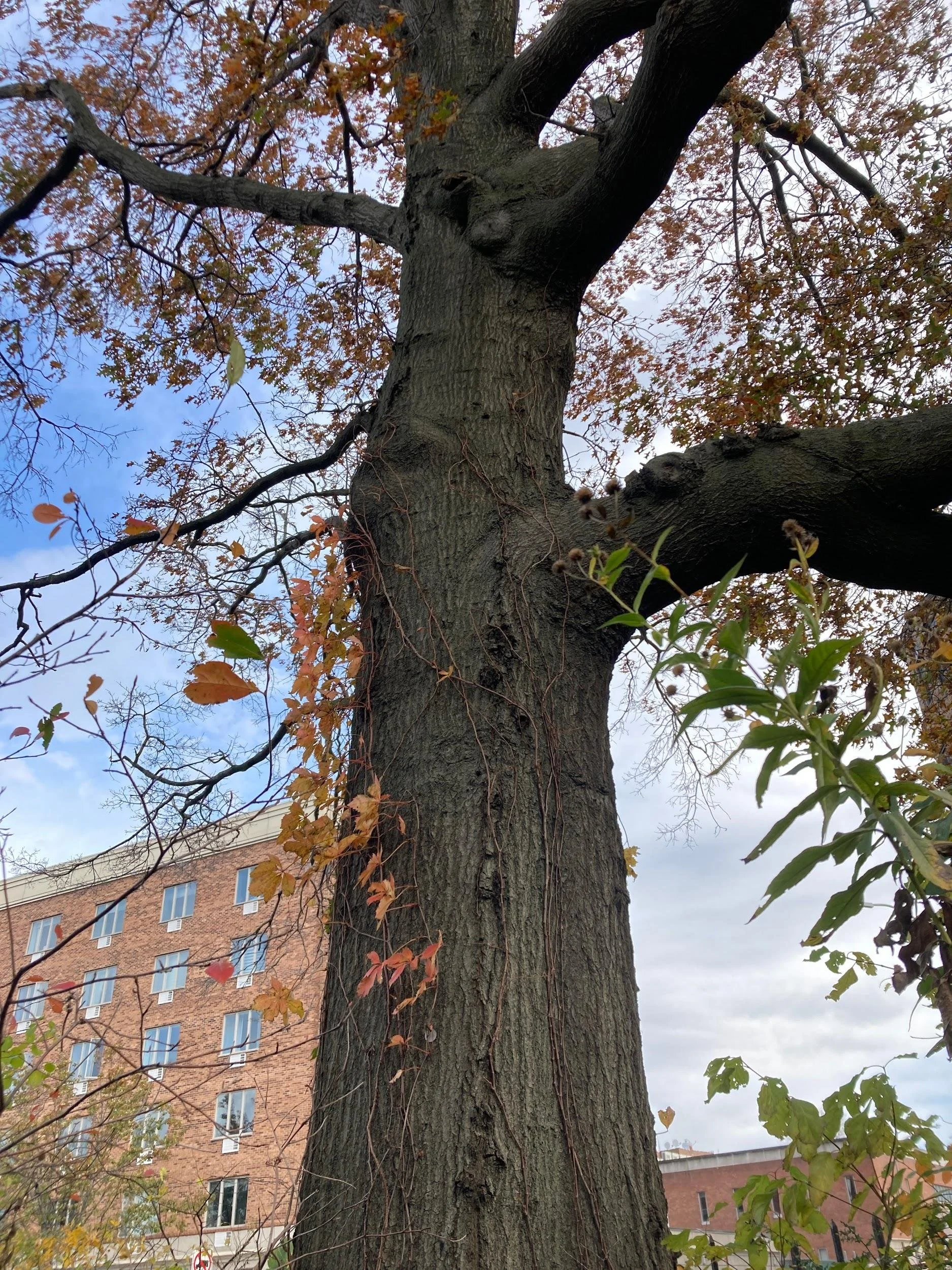
Oak with virgina creeper
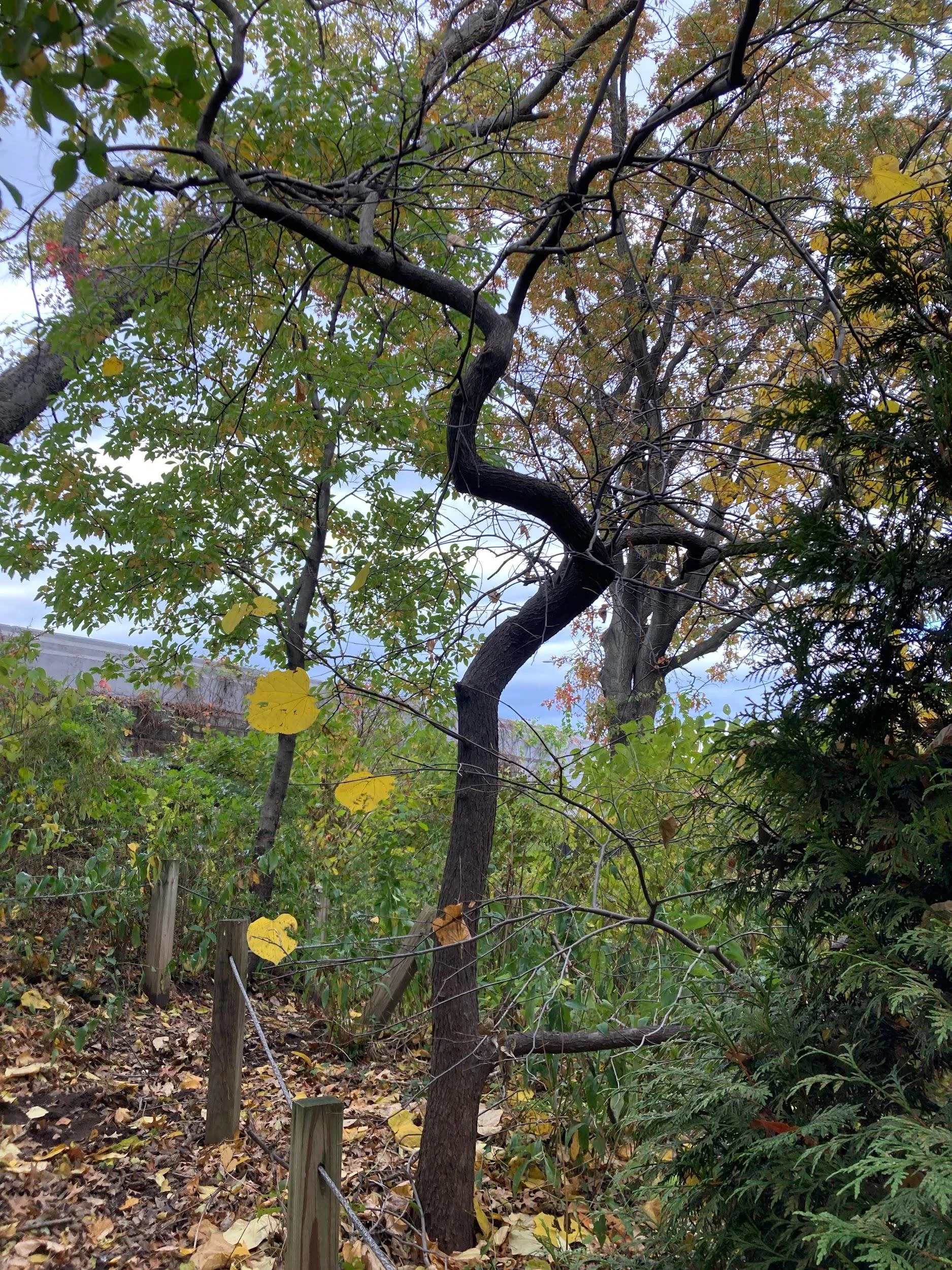
Eastern redbud (Cercis canadensis)
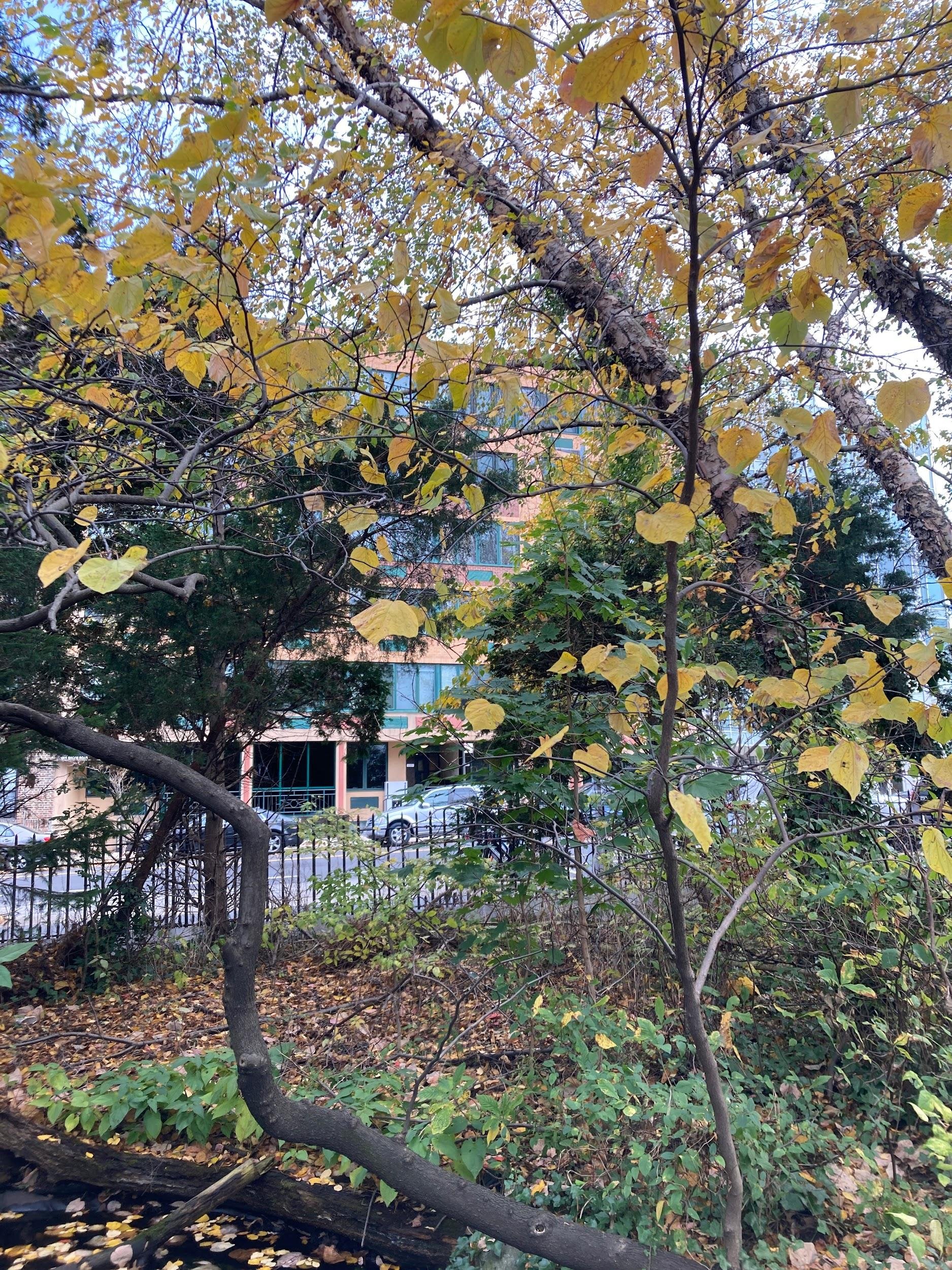
Eastern redbud (Cercis canadensis)
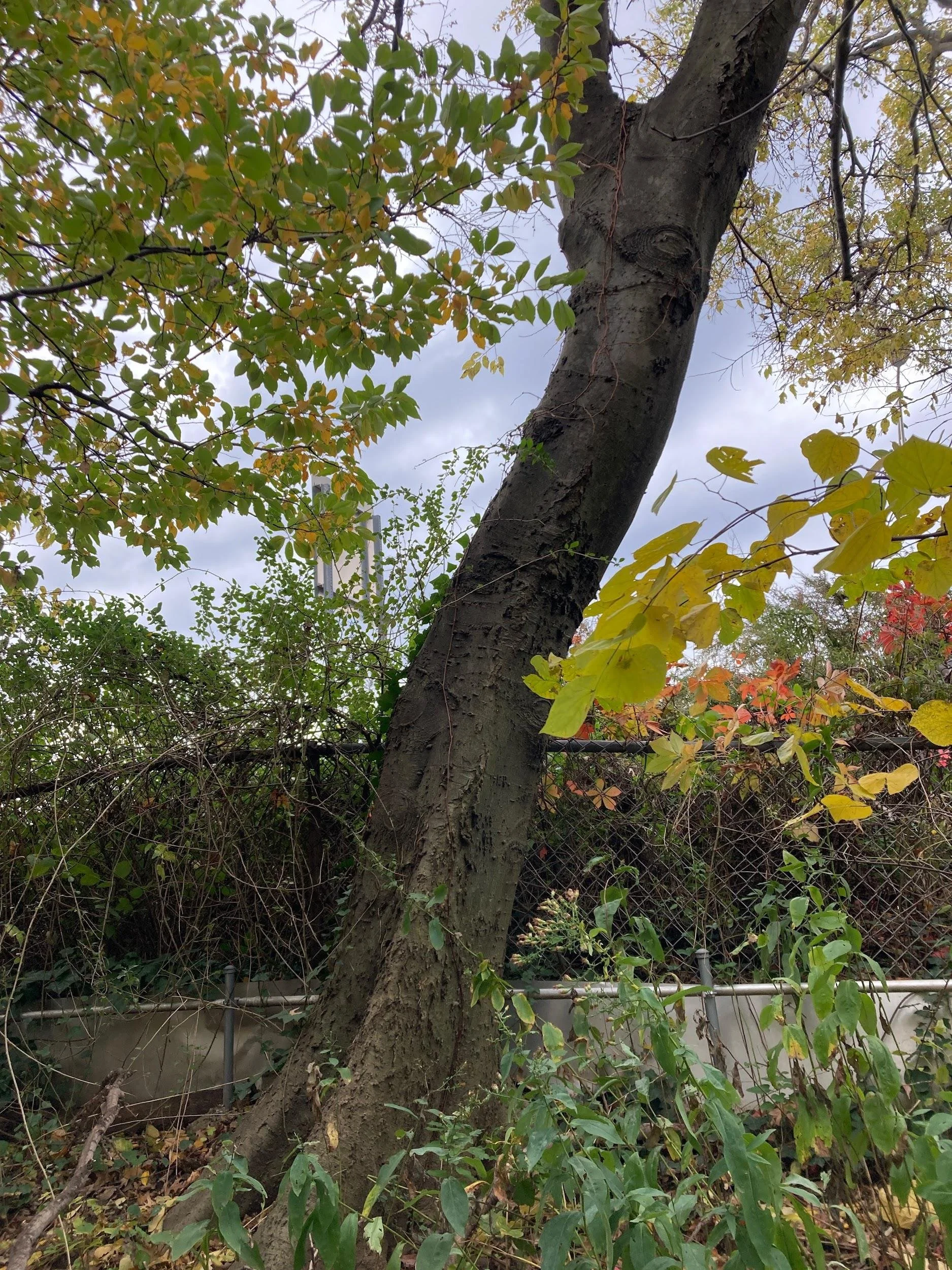
Common hackberry (Celtis occidentalis)
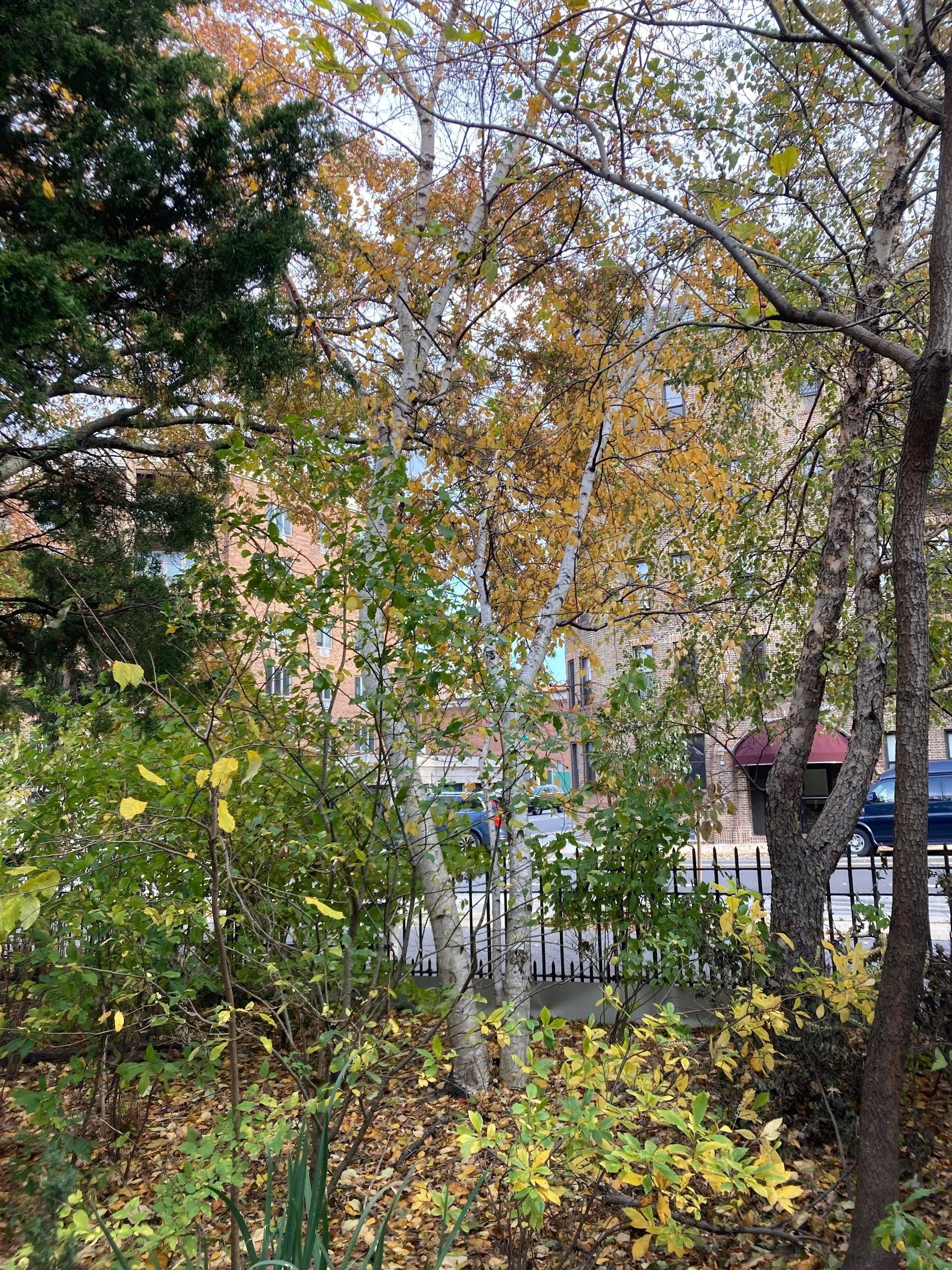
American white birch (Betula papyrifera)
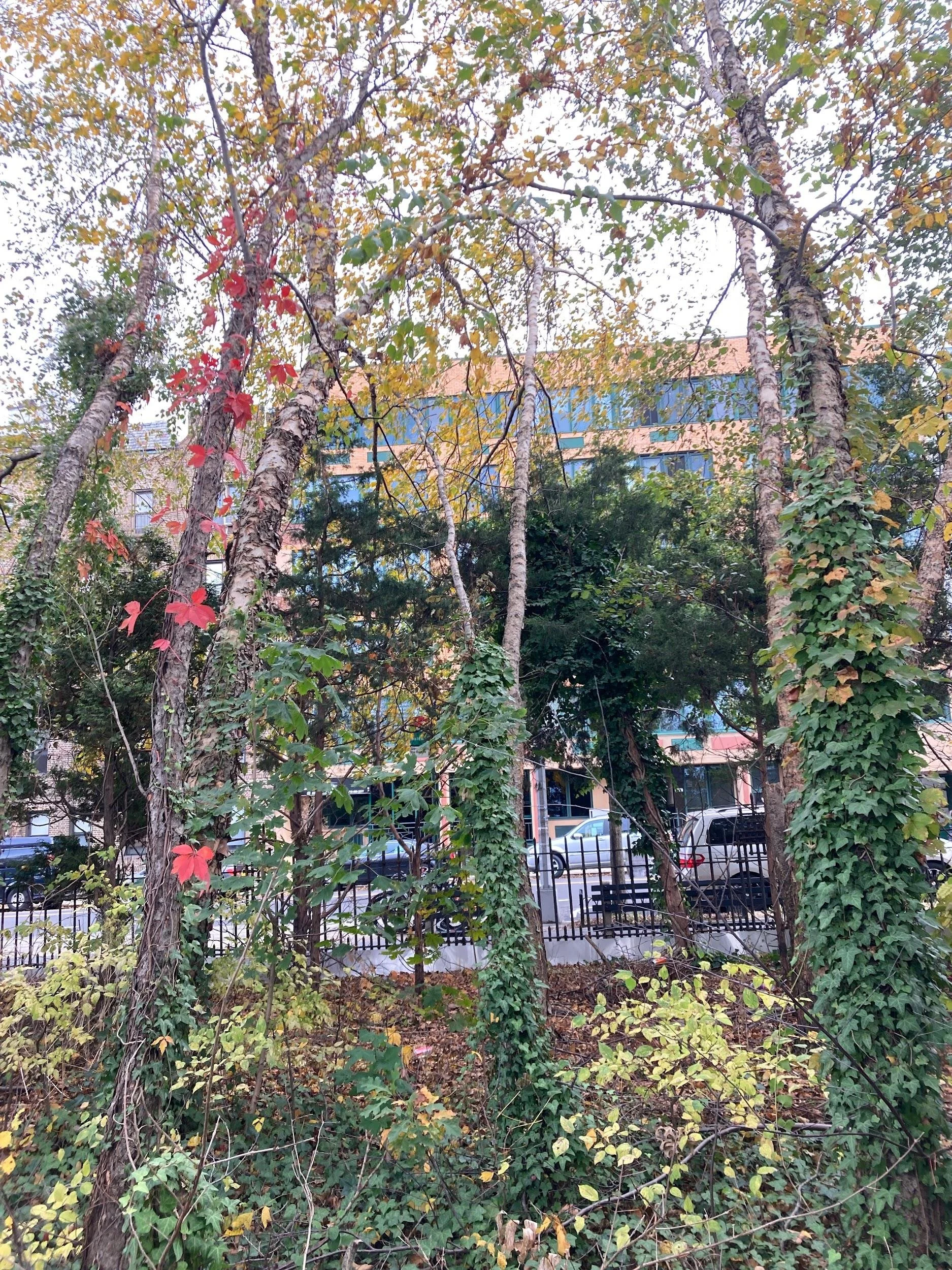
Paper birch (Betula papyrifera)
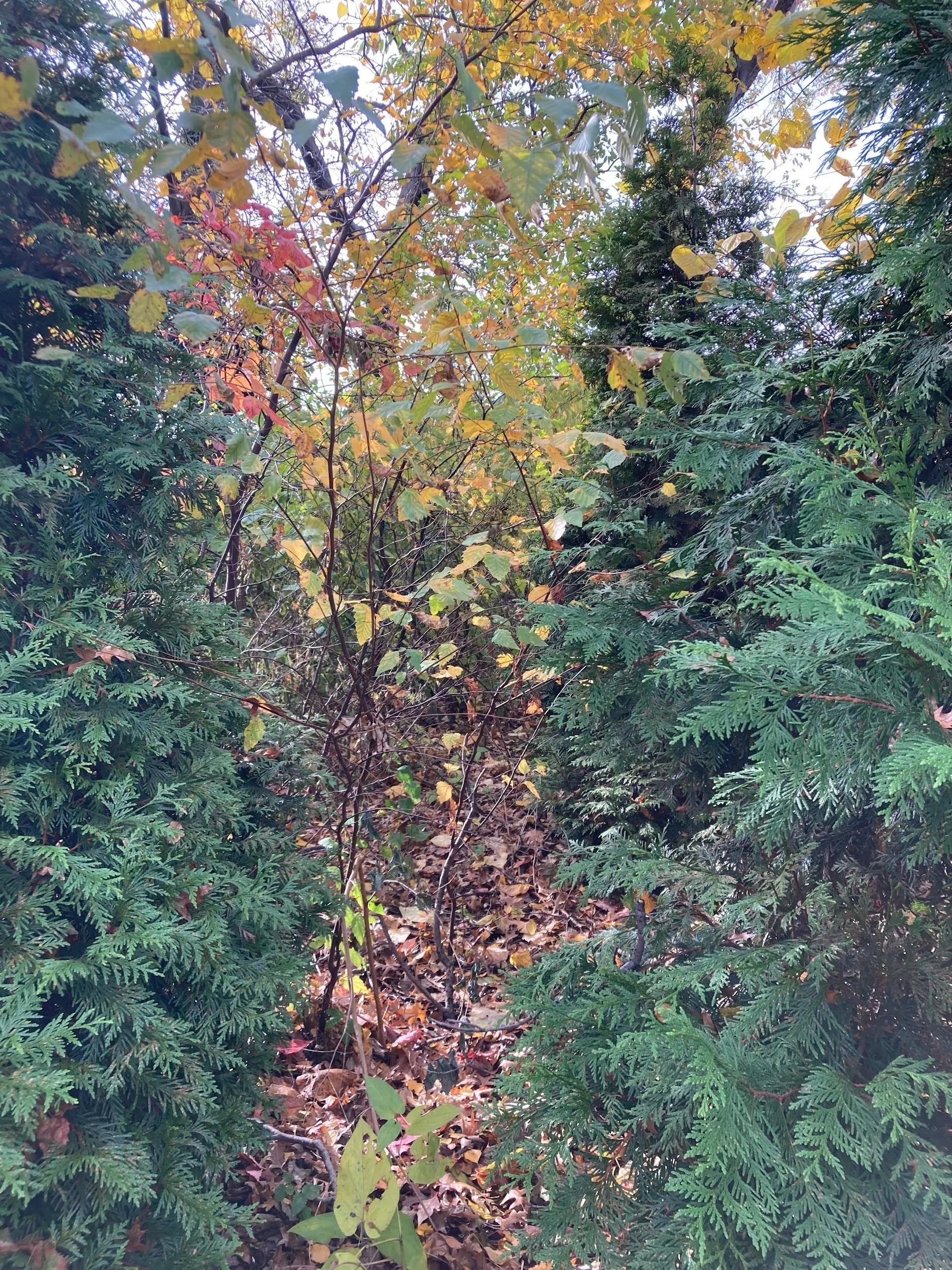
Gray birch (Betula populifolia)
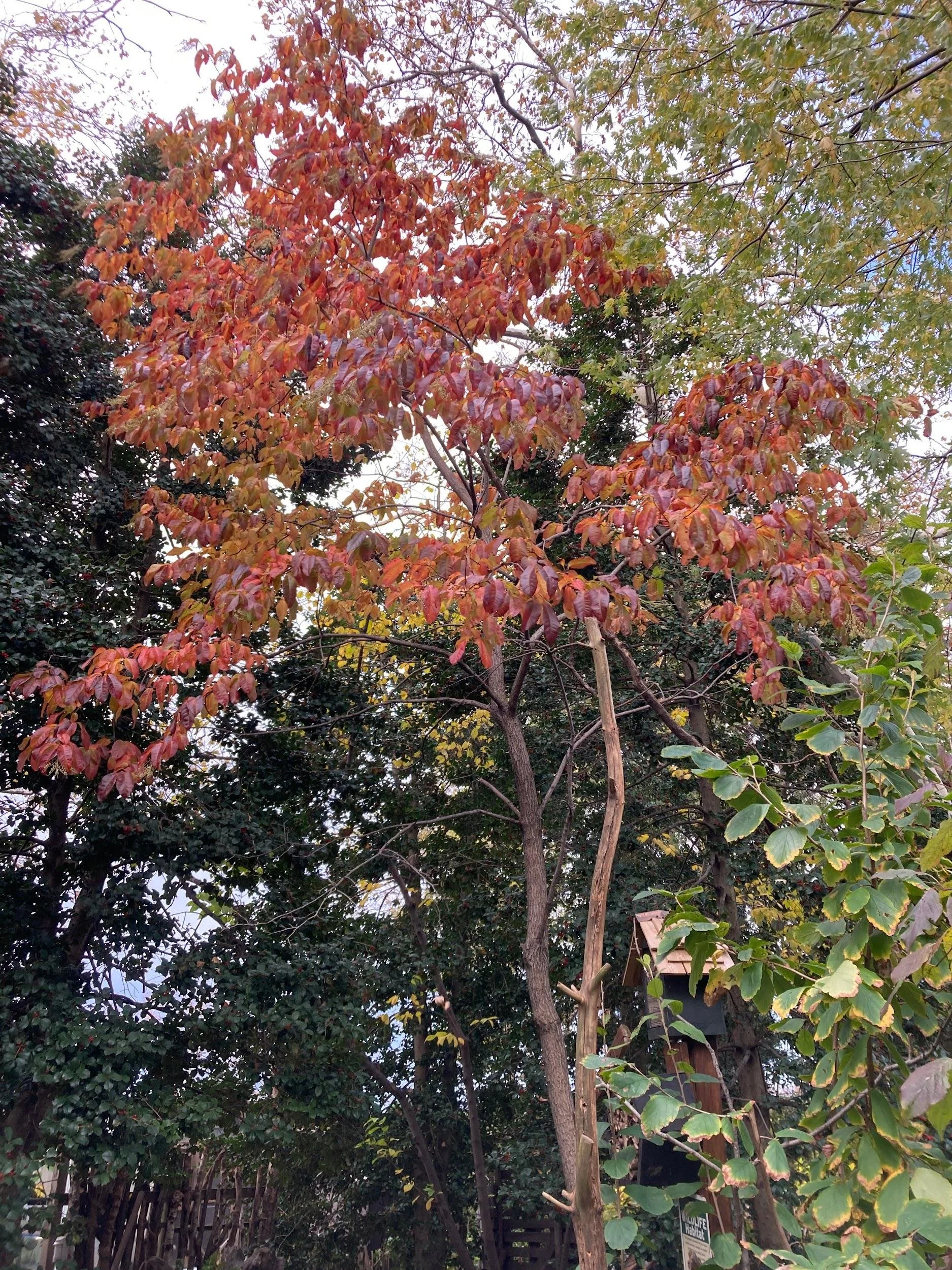
Sourwood (Oxydendrum arboreum)
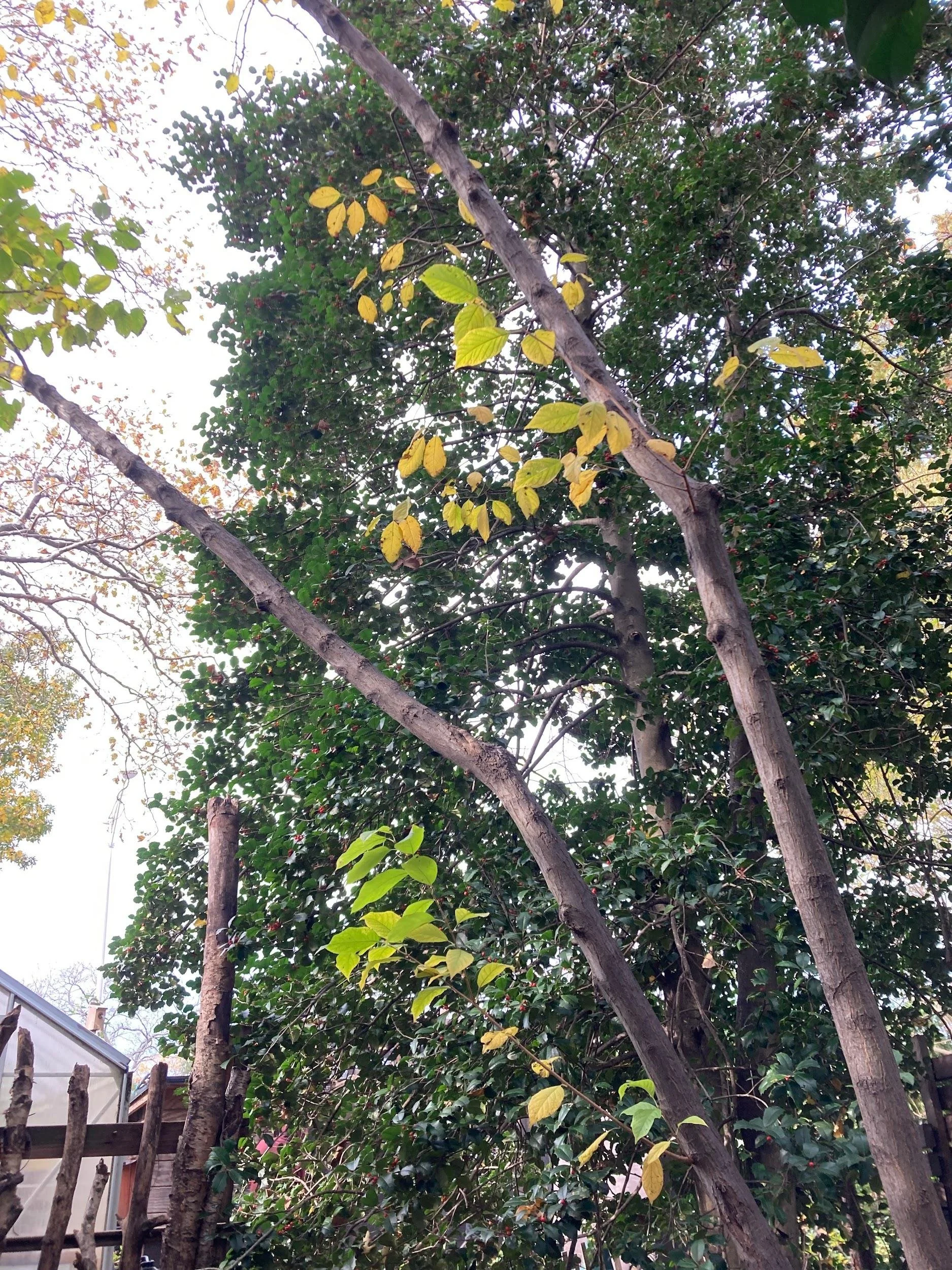
American snowdrop (Halesia diptera)
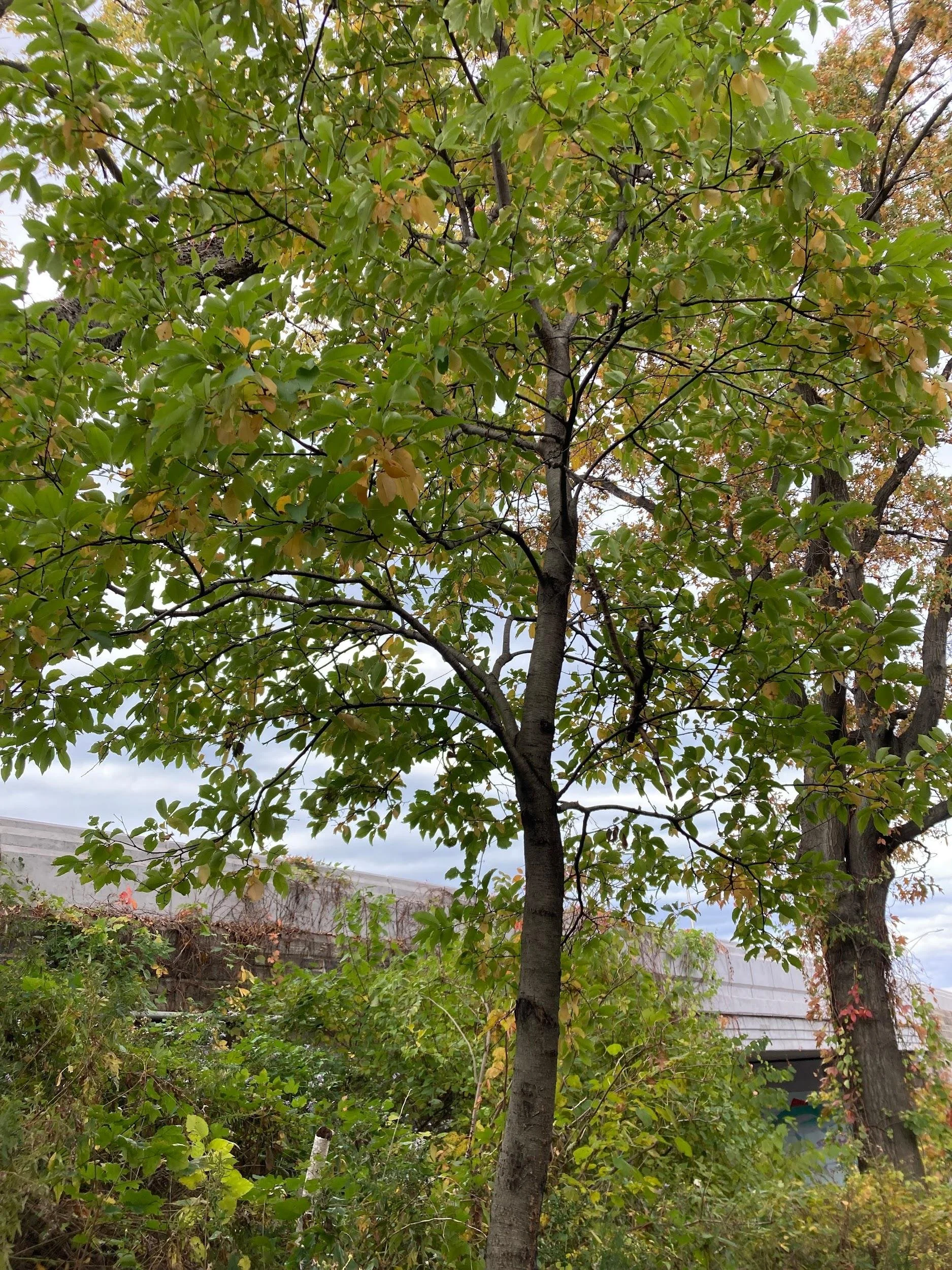
Chokecherry (Prunus virginiana)
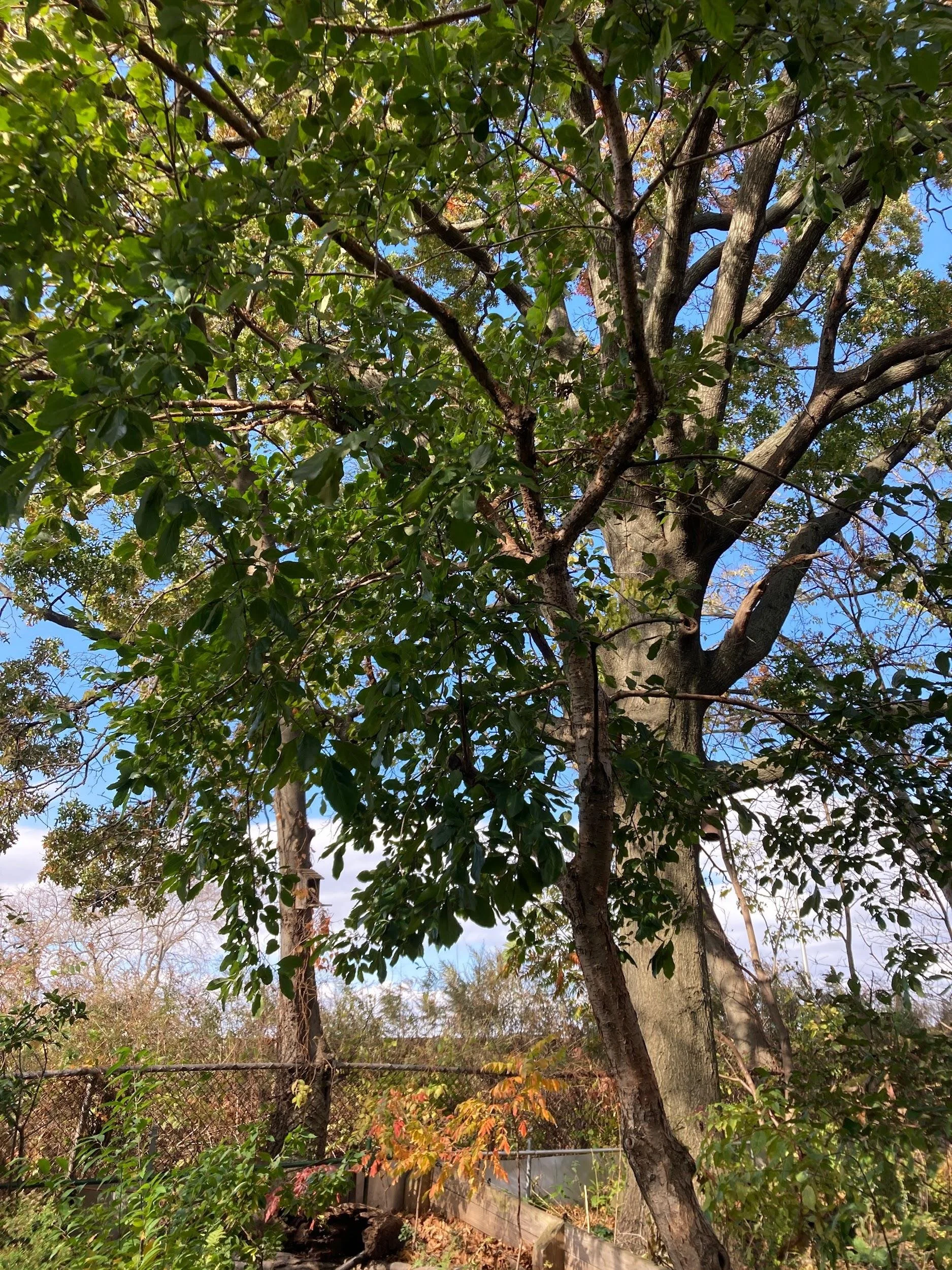
Fringe tree (Chionanthus virginicus)
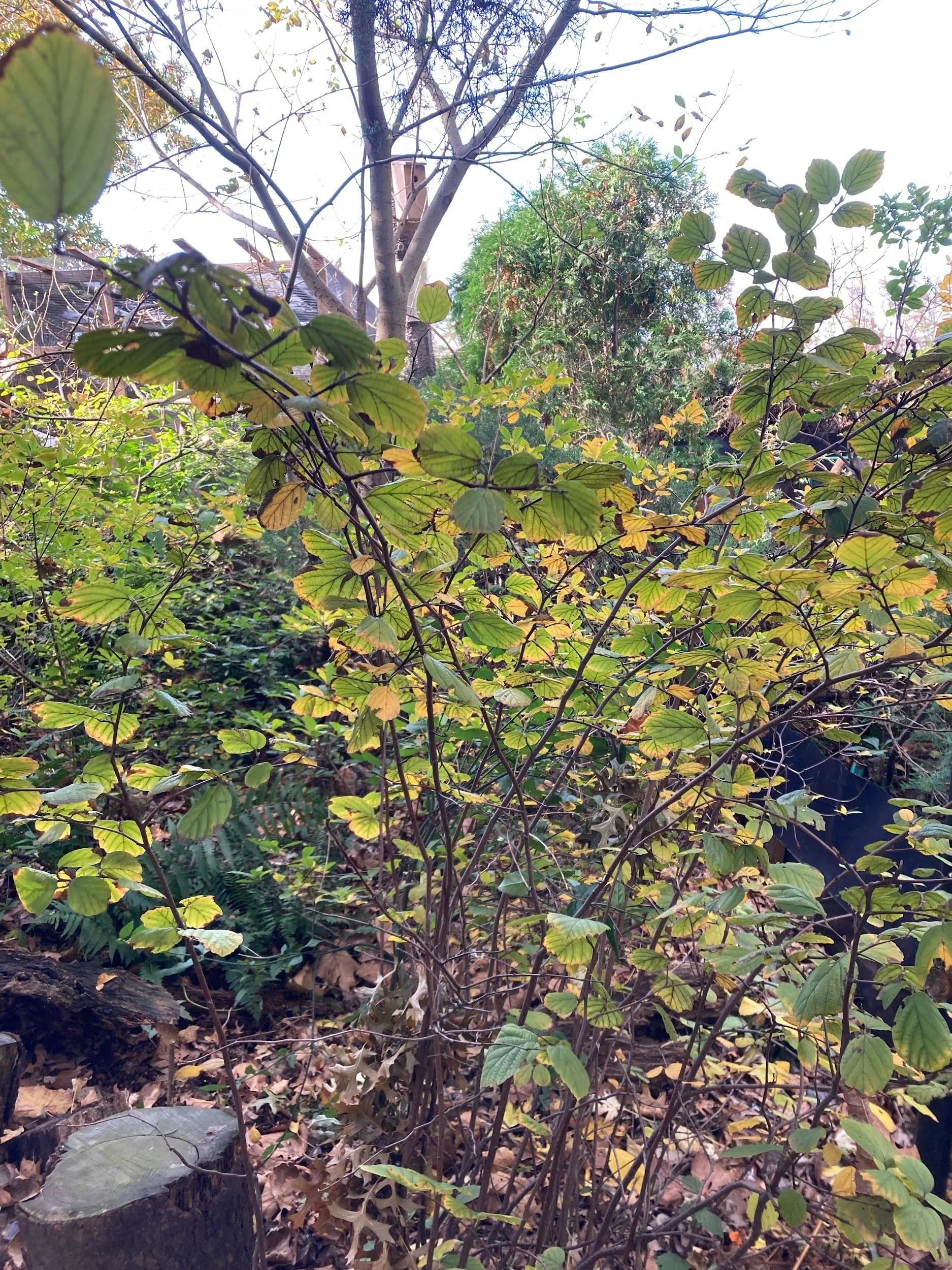
Witch-alder (Fothergilla major)
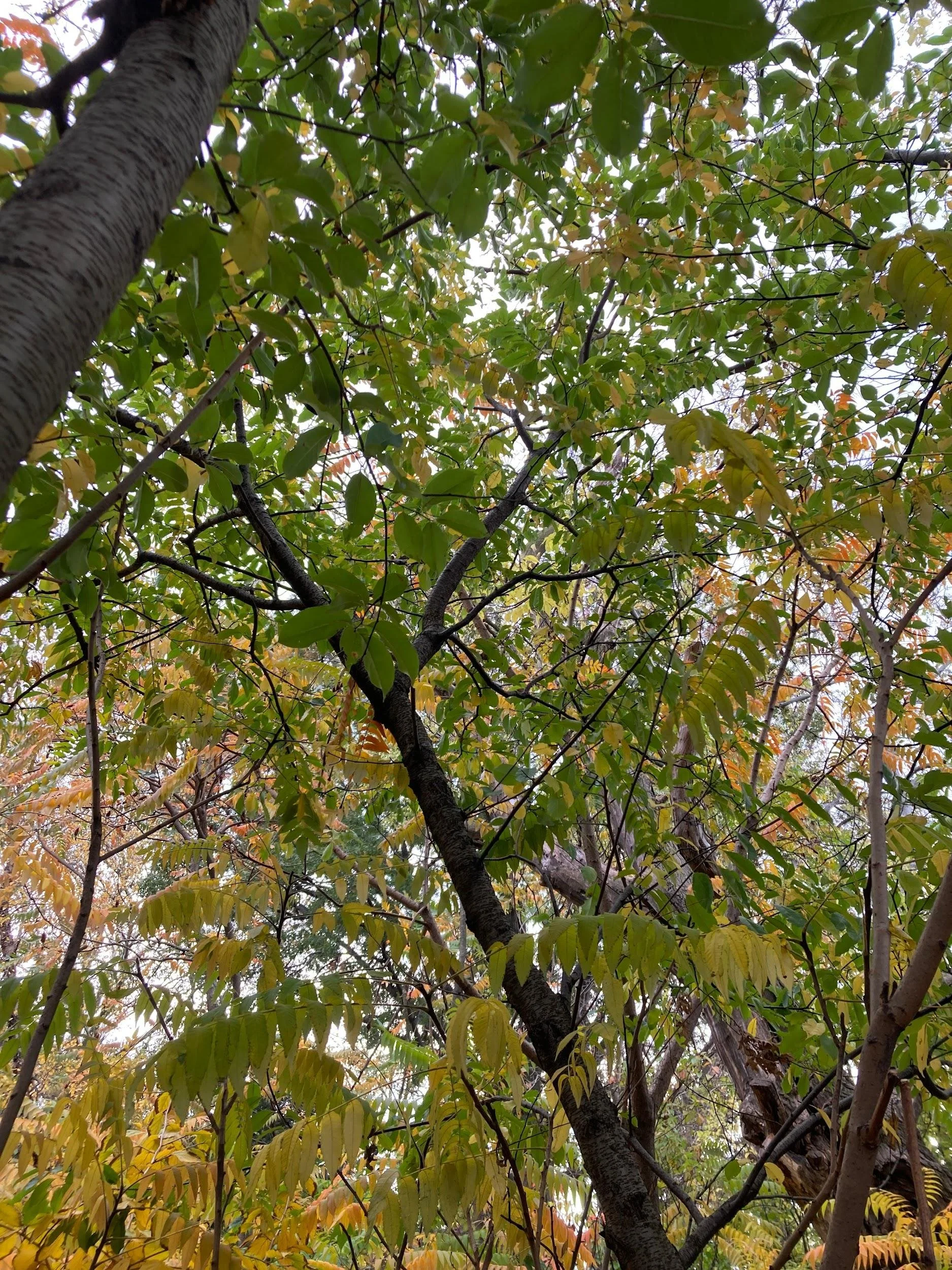
Chokecherry (Prunus virginiana)
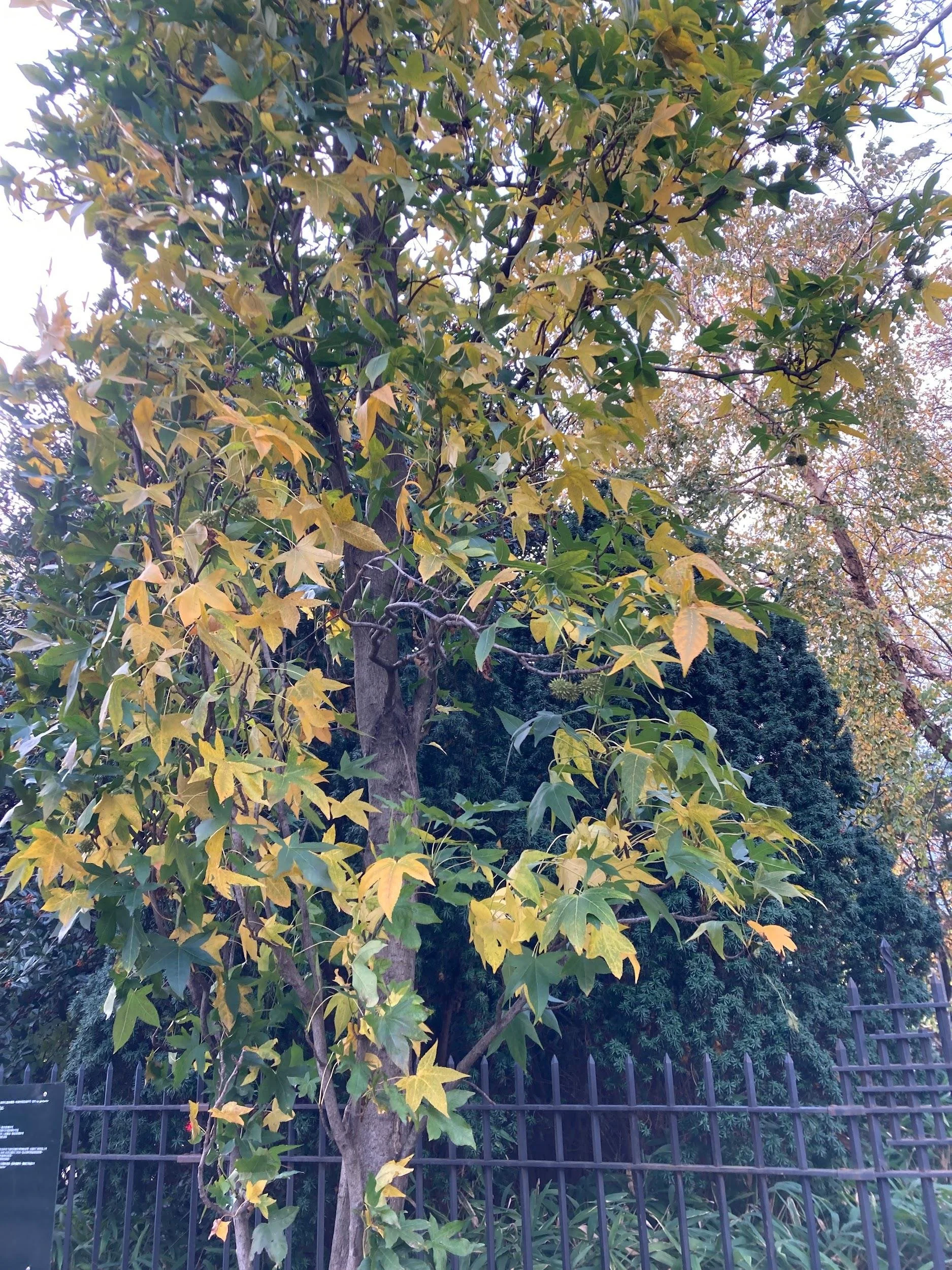
Sweetgum (Liquidambar styraciflua)
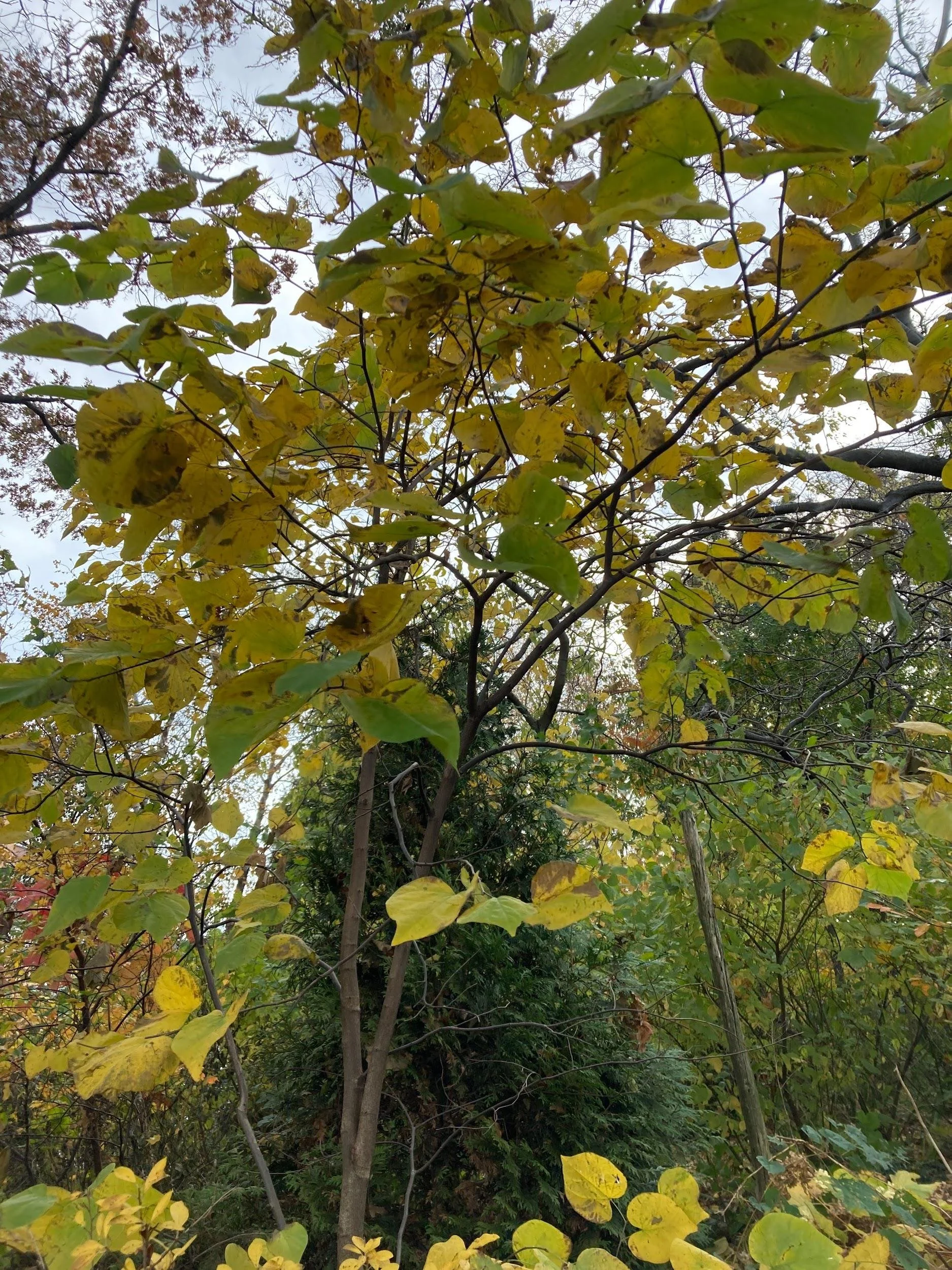
Gray dogwood (Cornus racemosa)
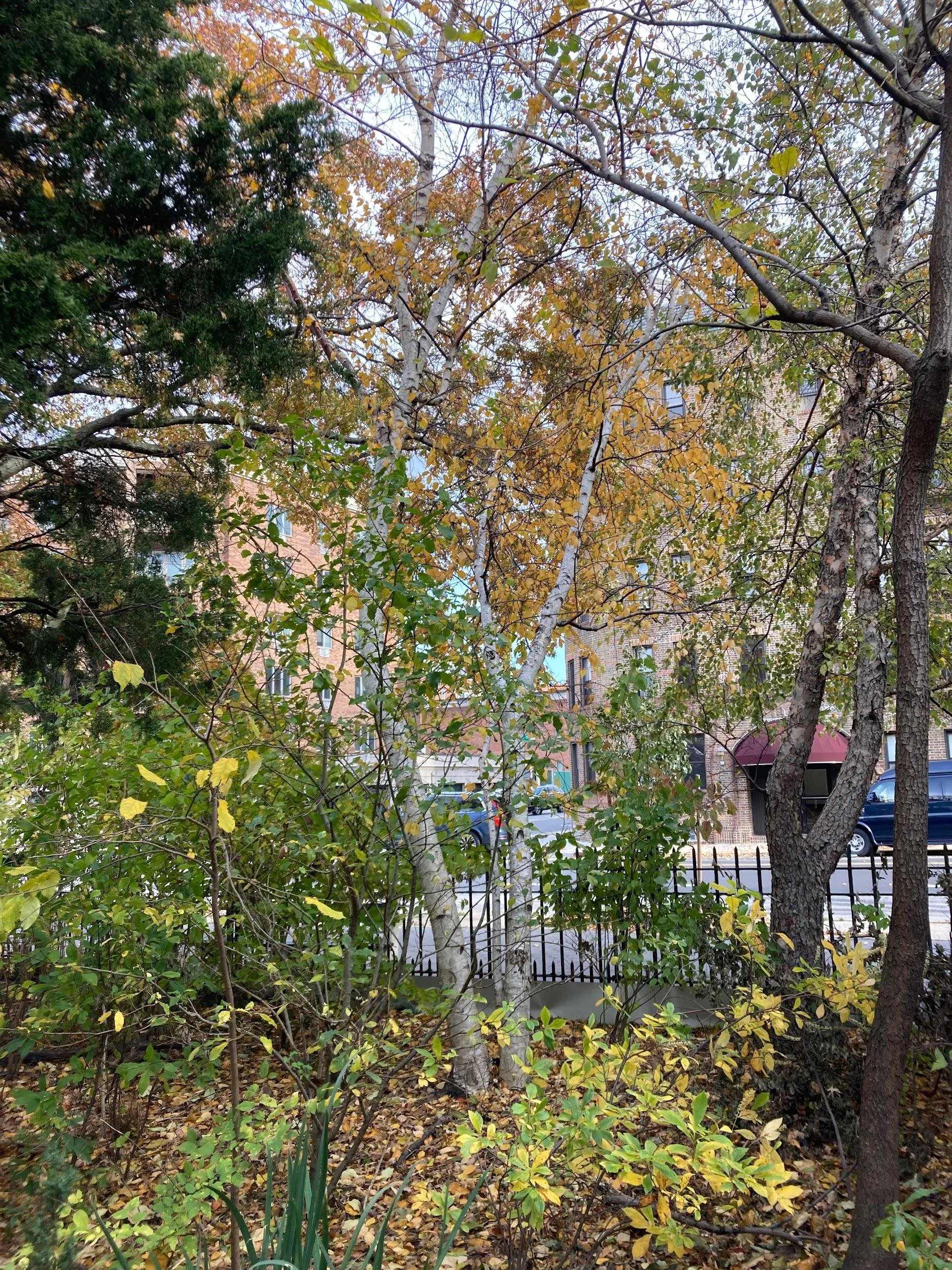
River birch (Betula nigra)
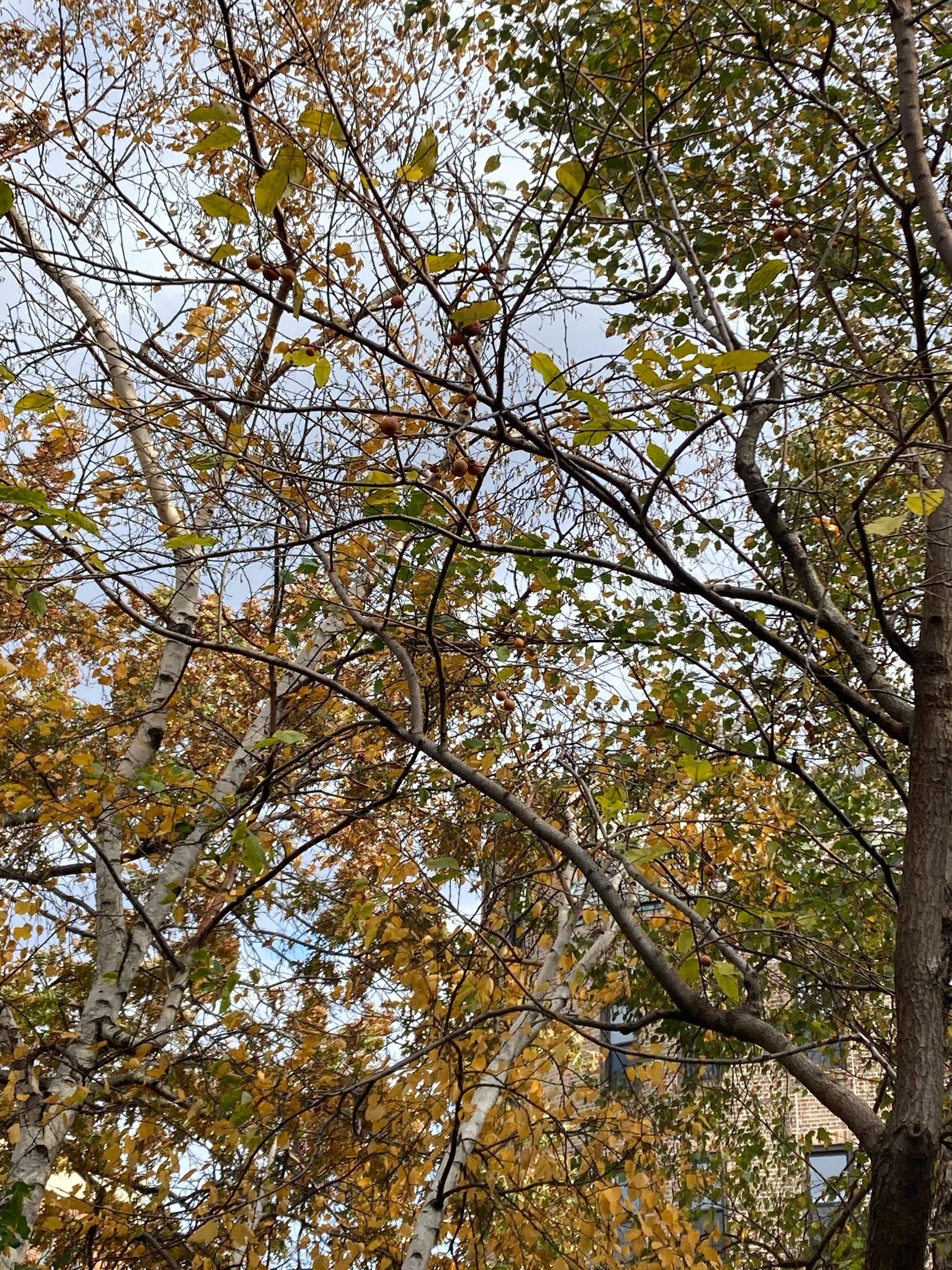
American persimmon (Diospyros virginiana)
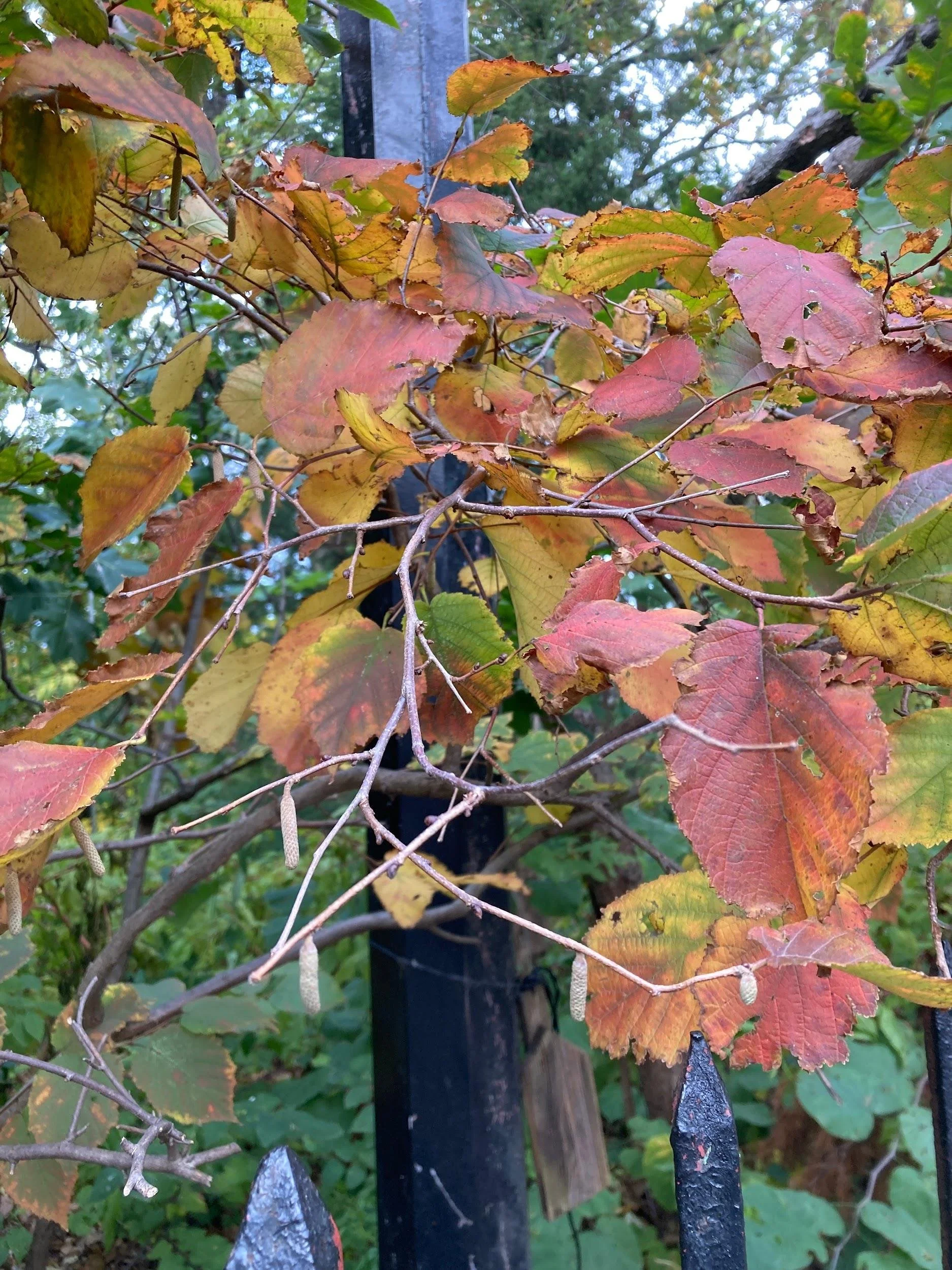
Filbert hazelnut tree (Corylus americana)
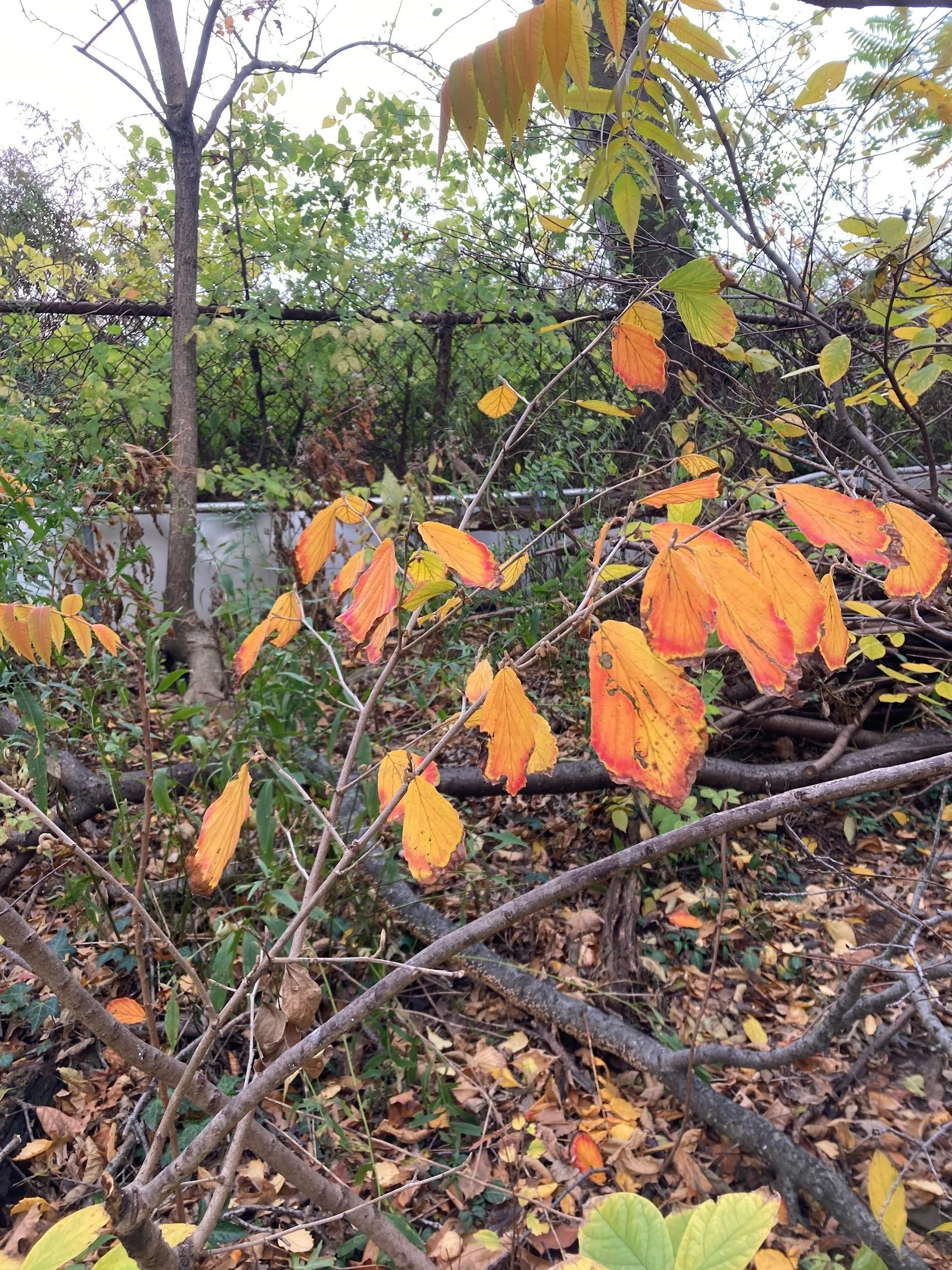
American witch-hazel (Hamamelis virginiana)
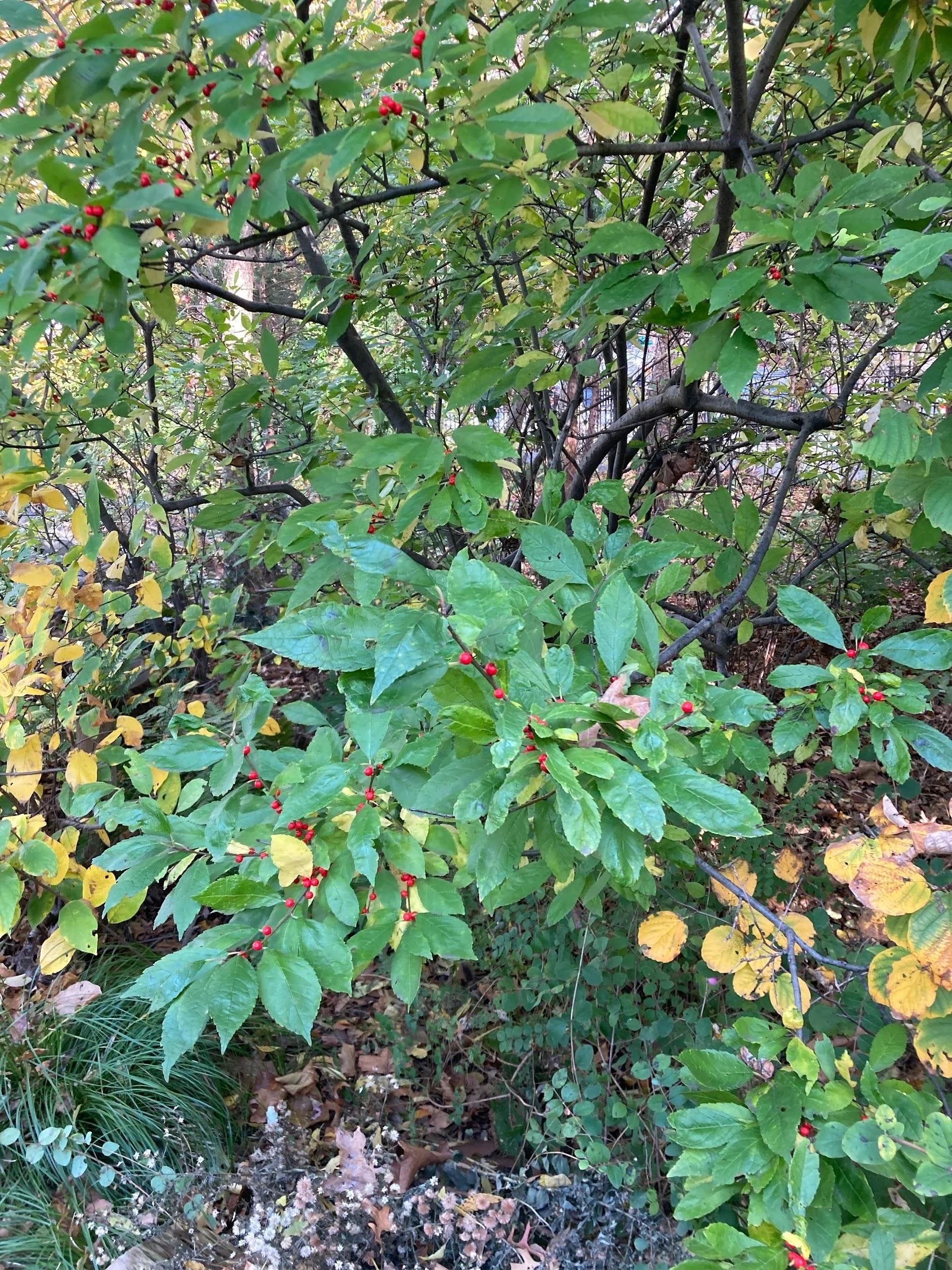
Winterberry holly ( Ilex verticillata)
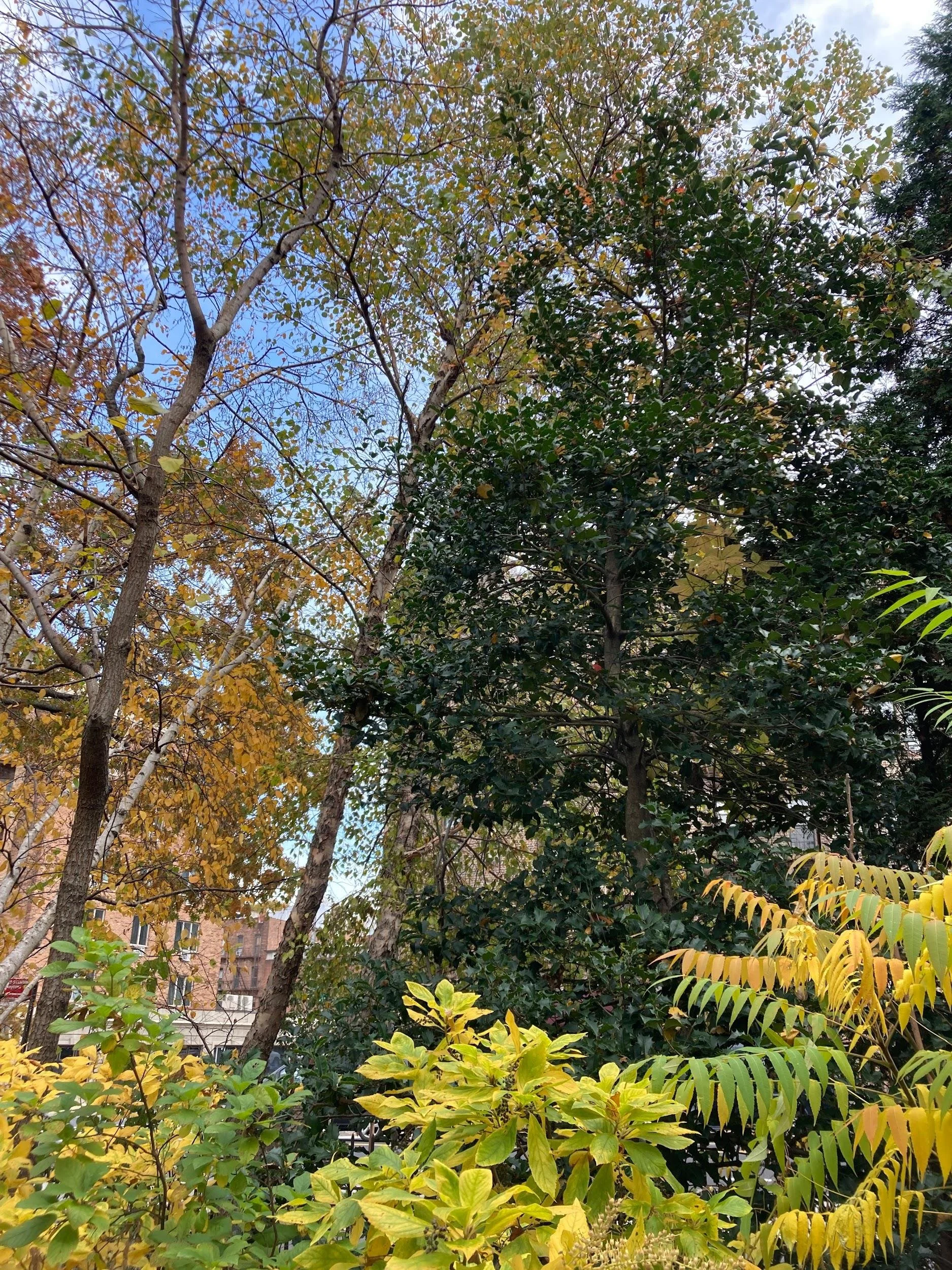
American holly (Ilex opaca)
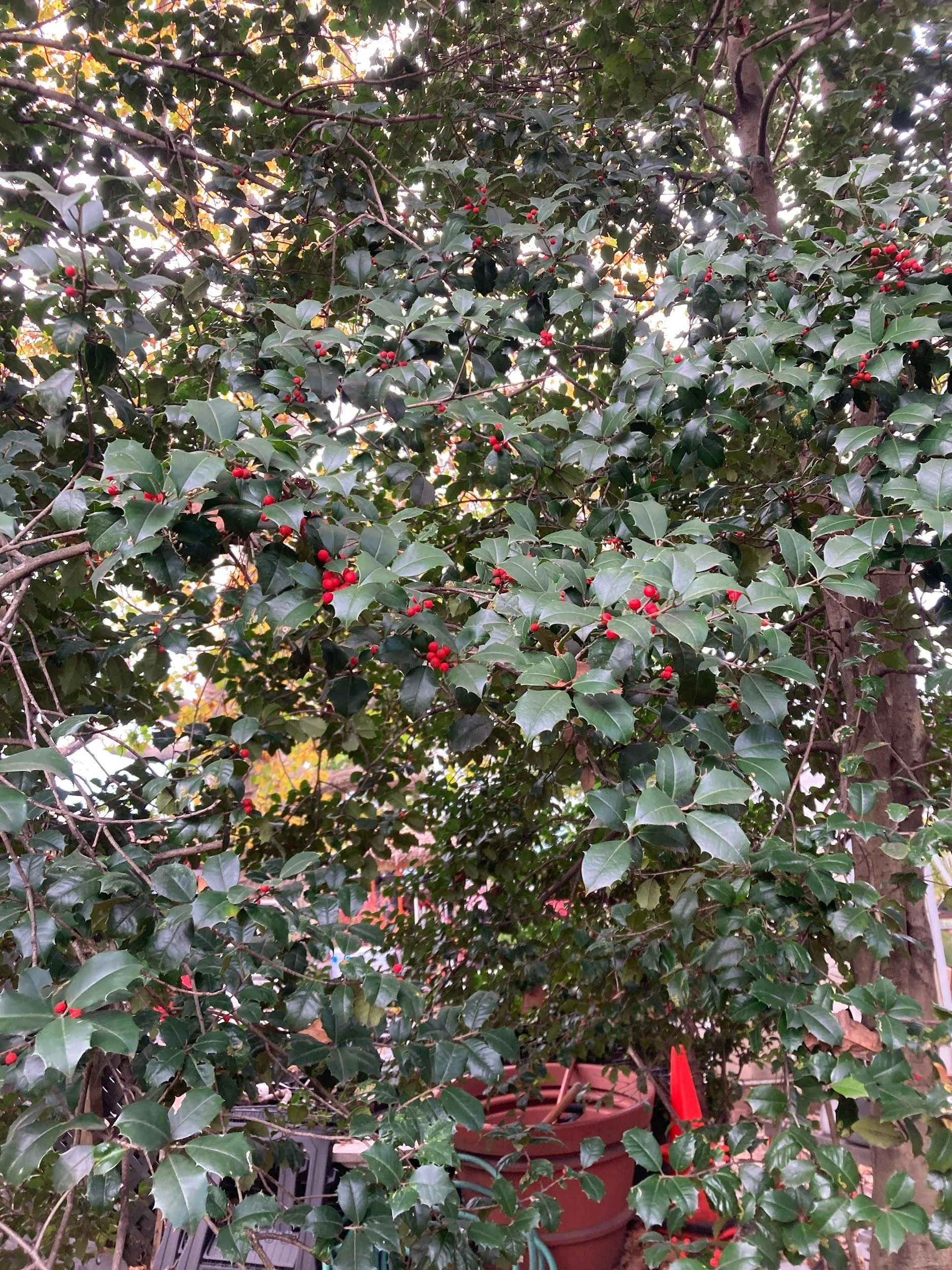
American holly (Ilex opaca)
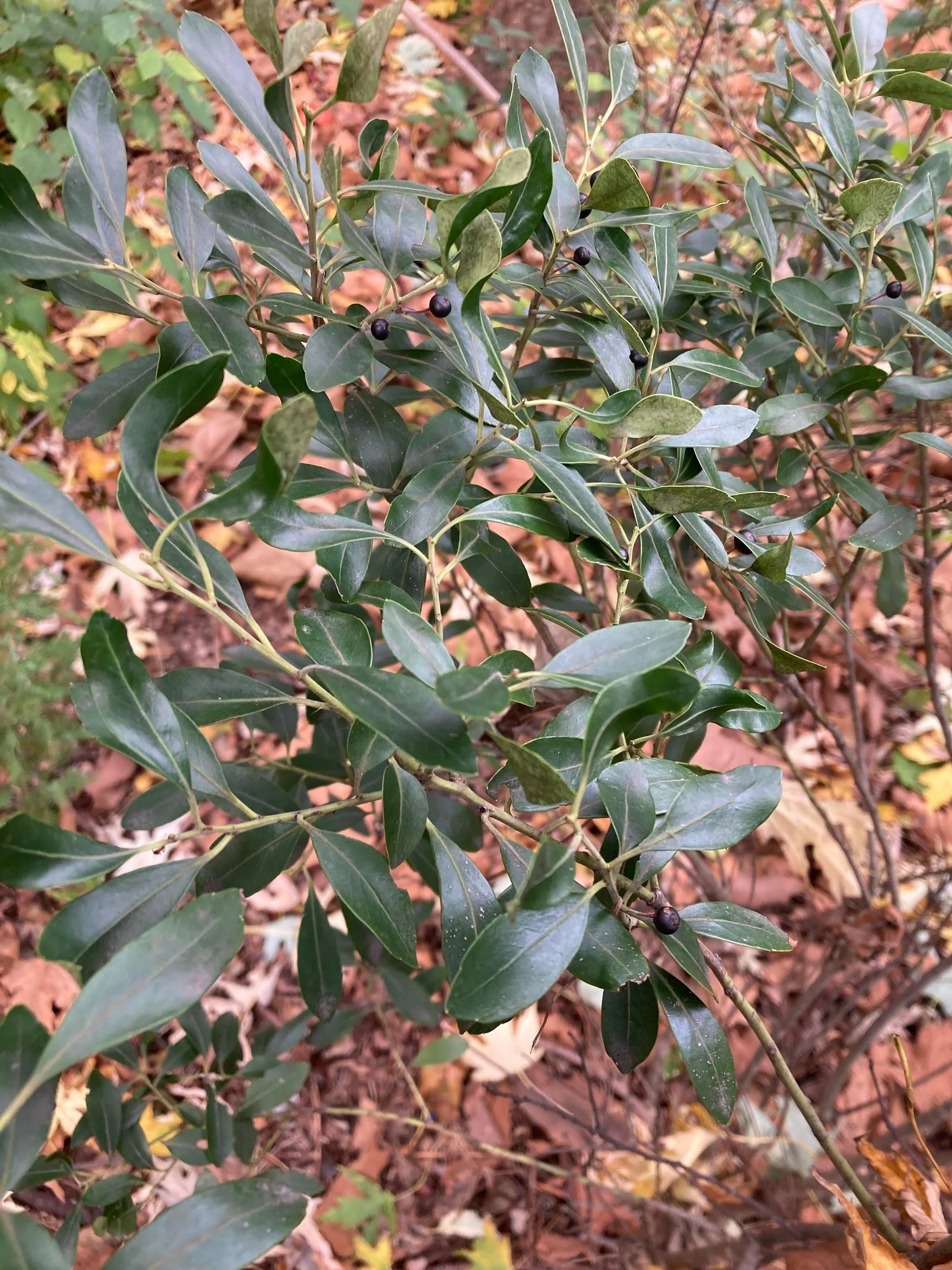
Inkberry (Ilex glabra)
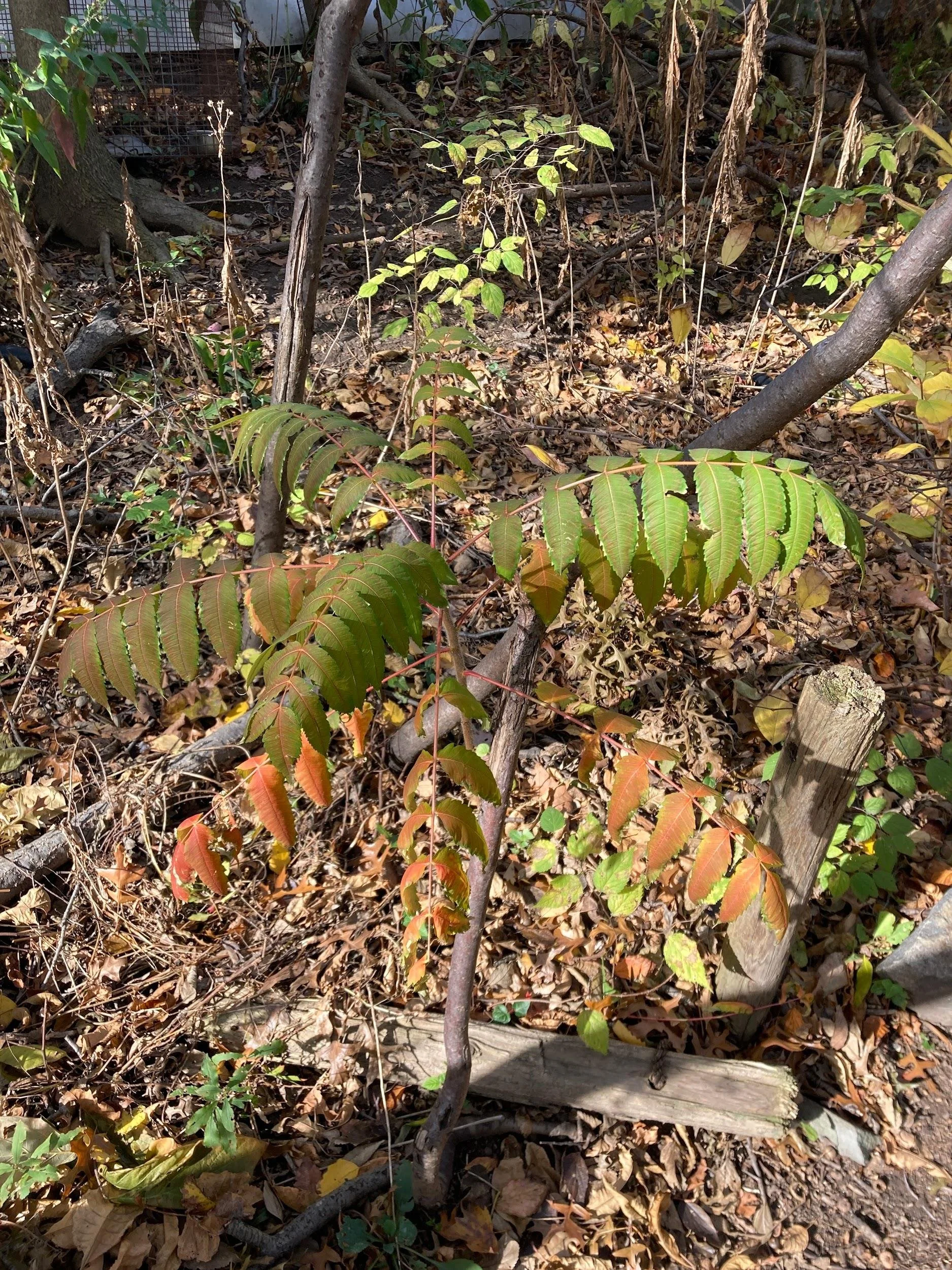
Smooth sumac (Rhus glabra)
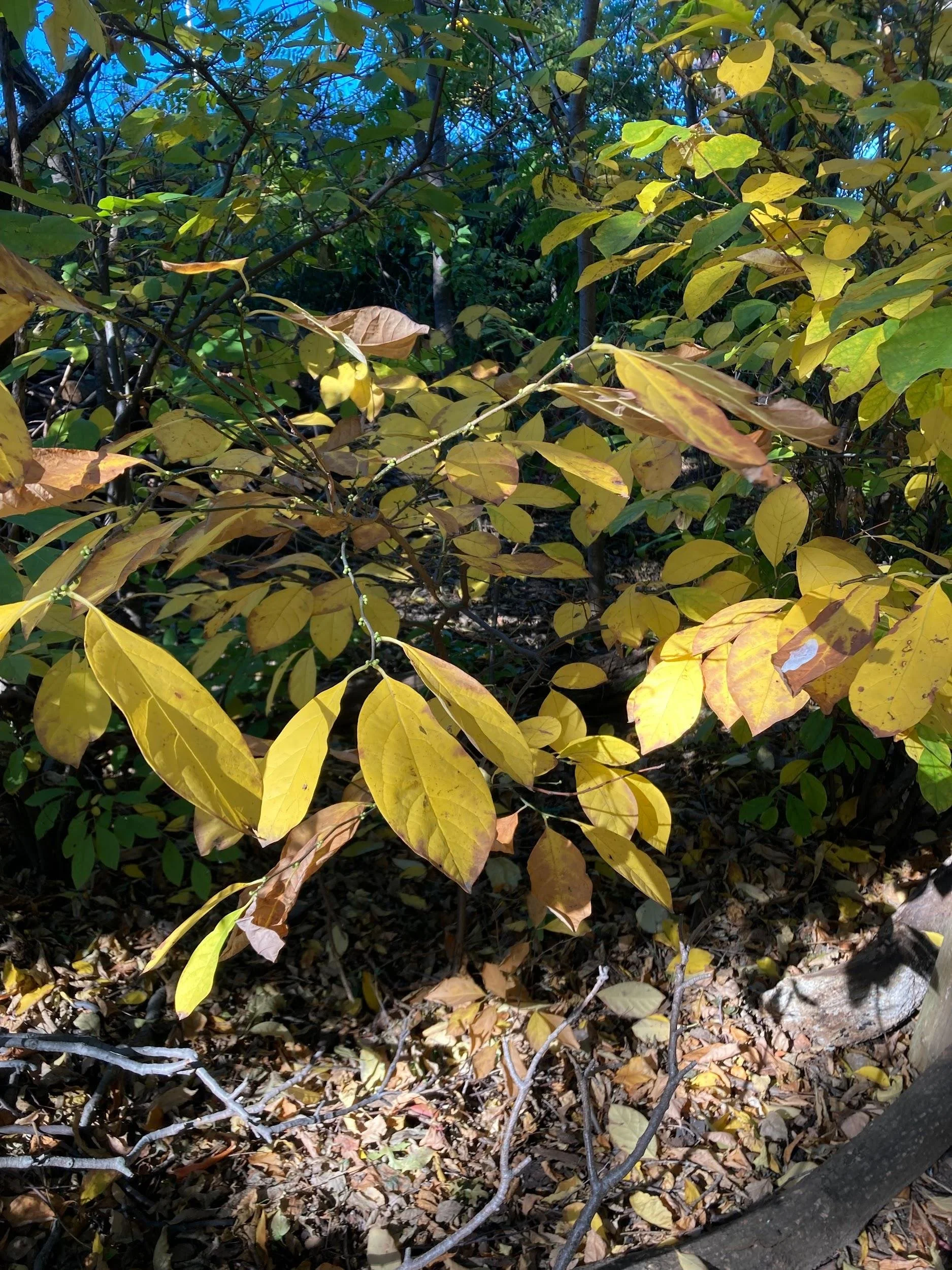
Spicebush (Lindera benzoin)
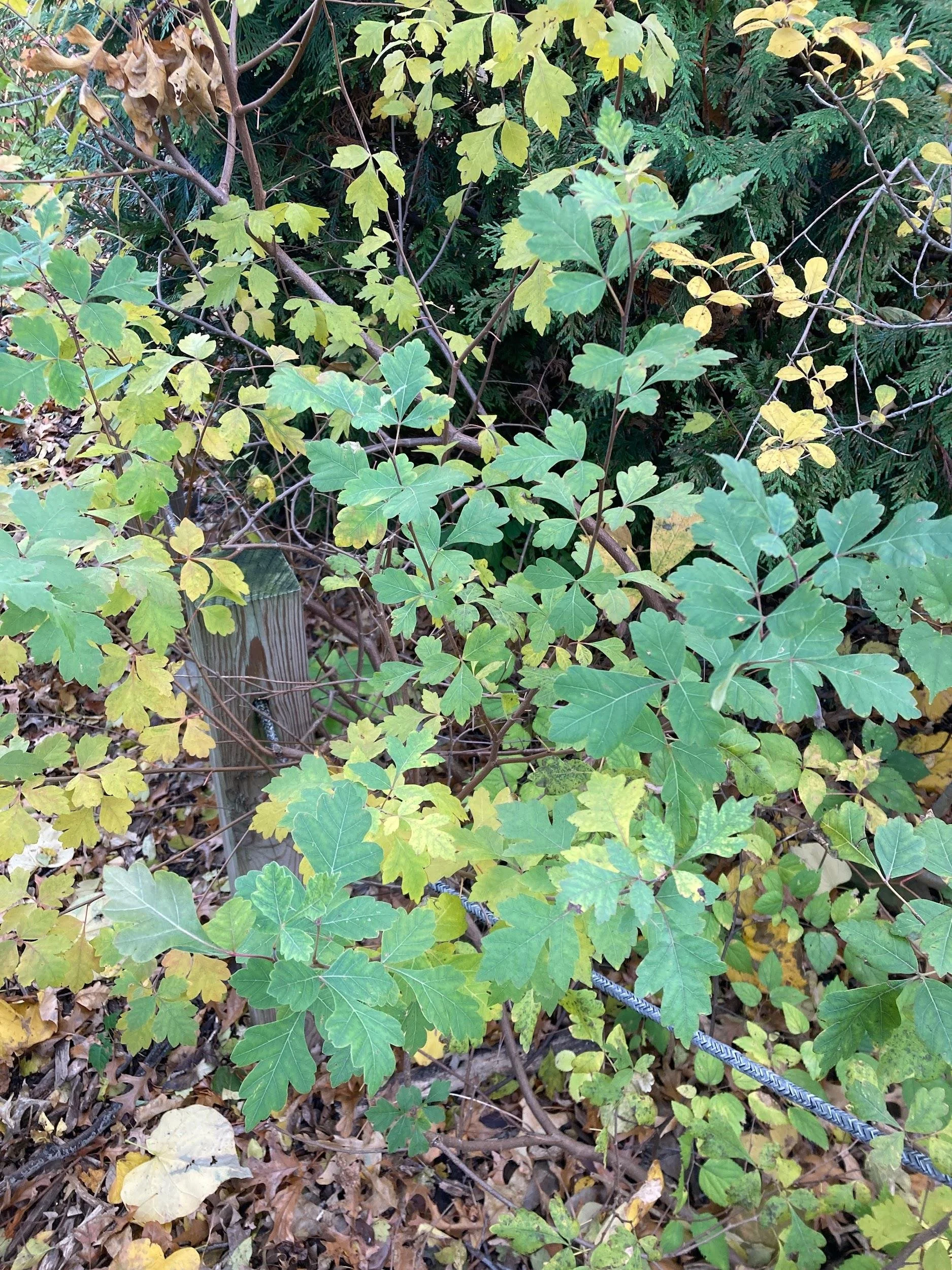
Fragrant sumac (Rhus aromatica)
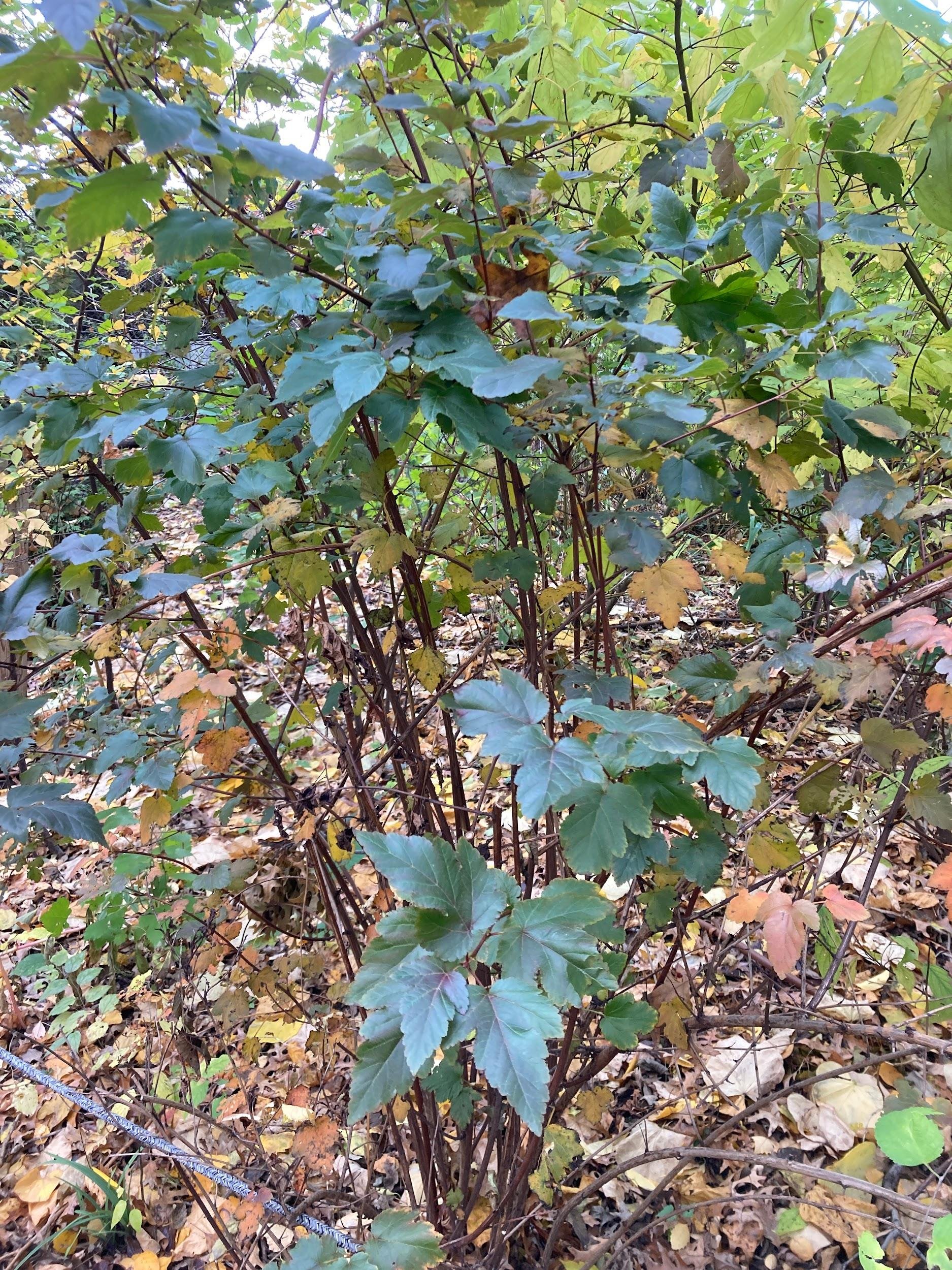
Ninebark (Physocarpus opulifolius)
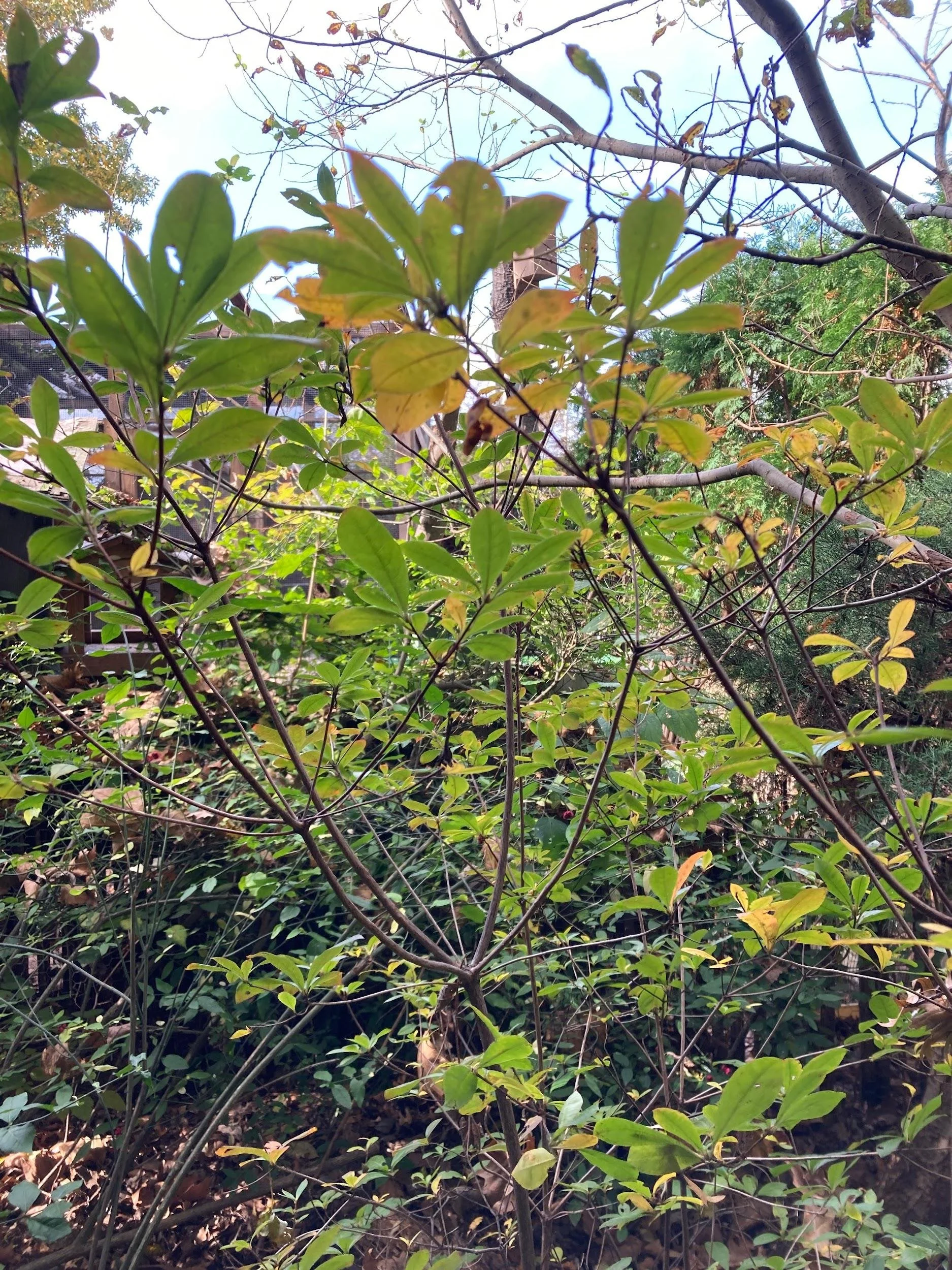
Swamp azalea (Rhododendron viscosum)
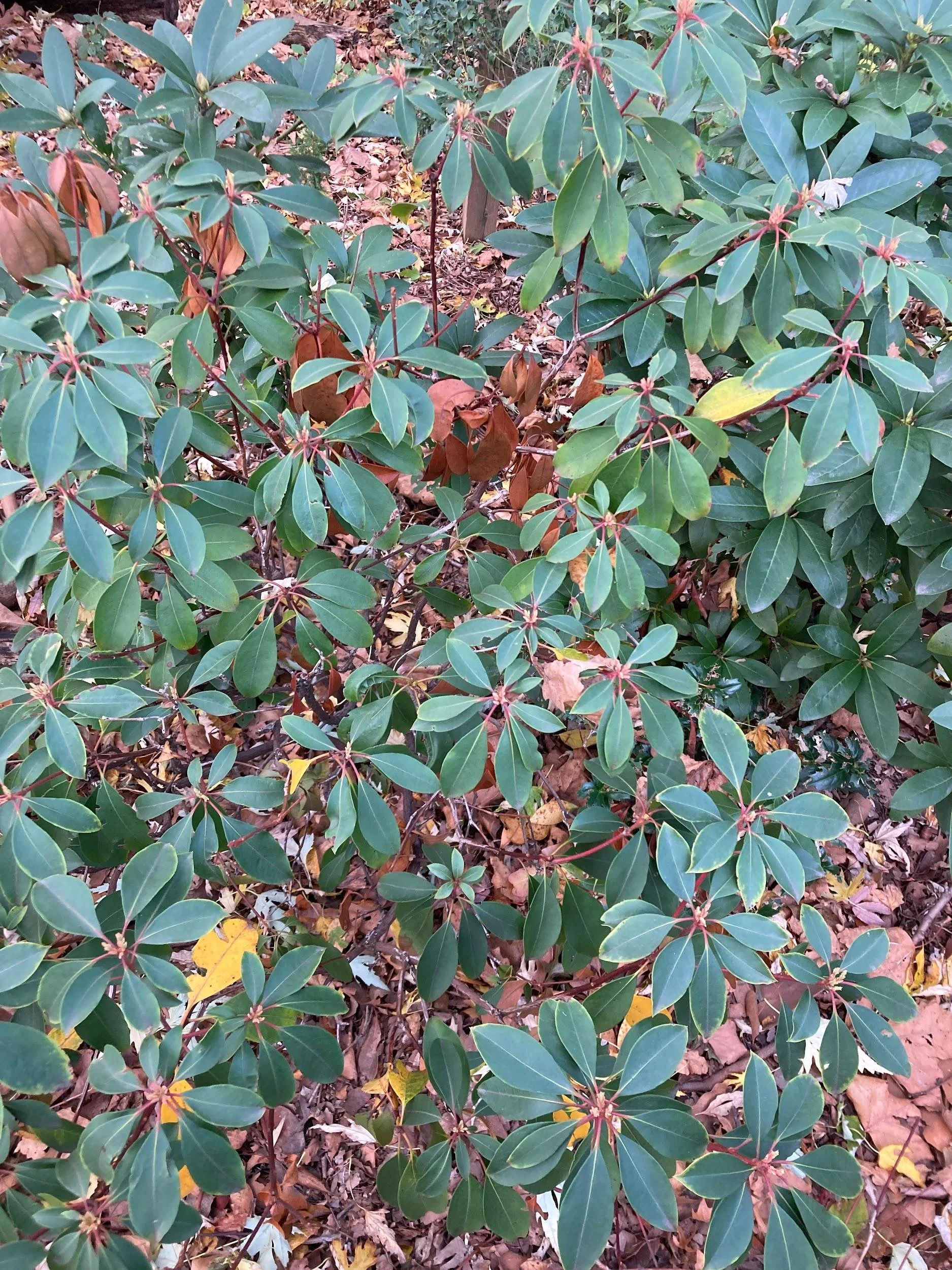
Mountain laurel (Kalmia latifolia)
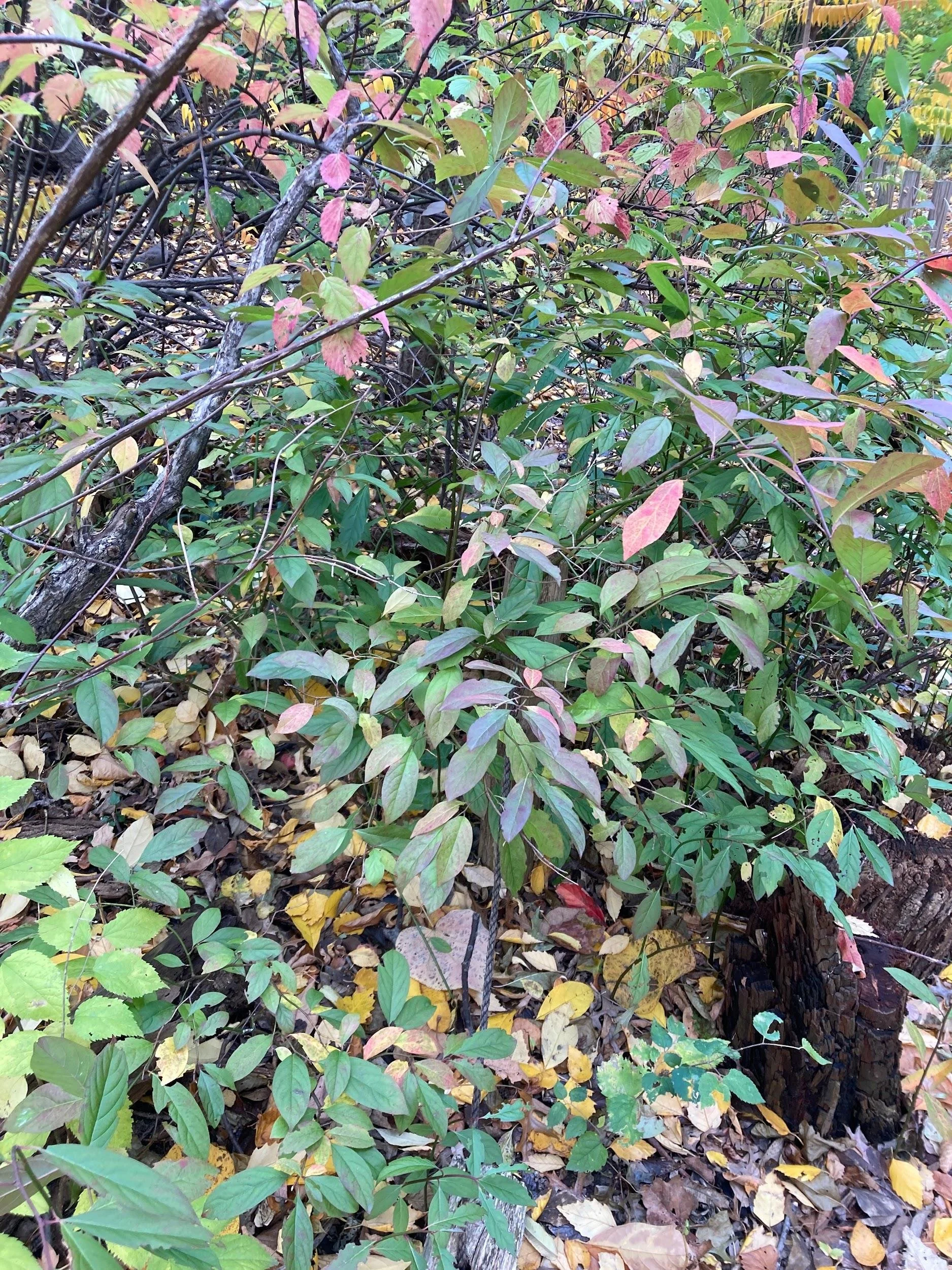
Virginia sweetspire (Itea virginica)
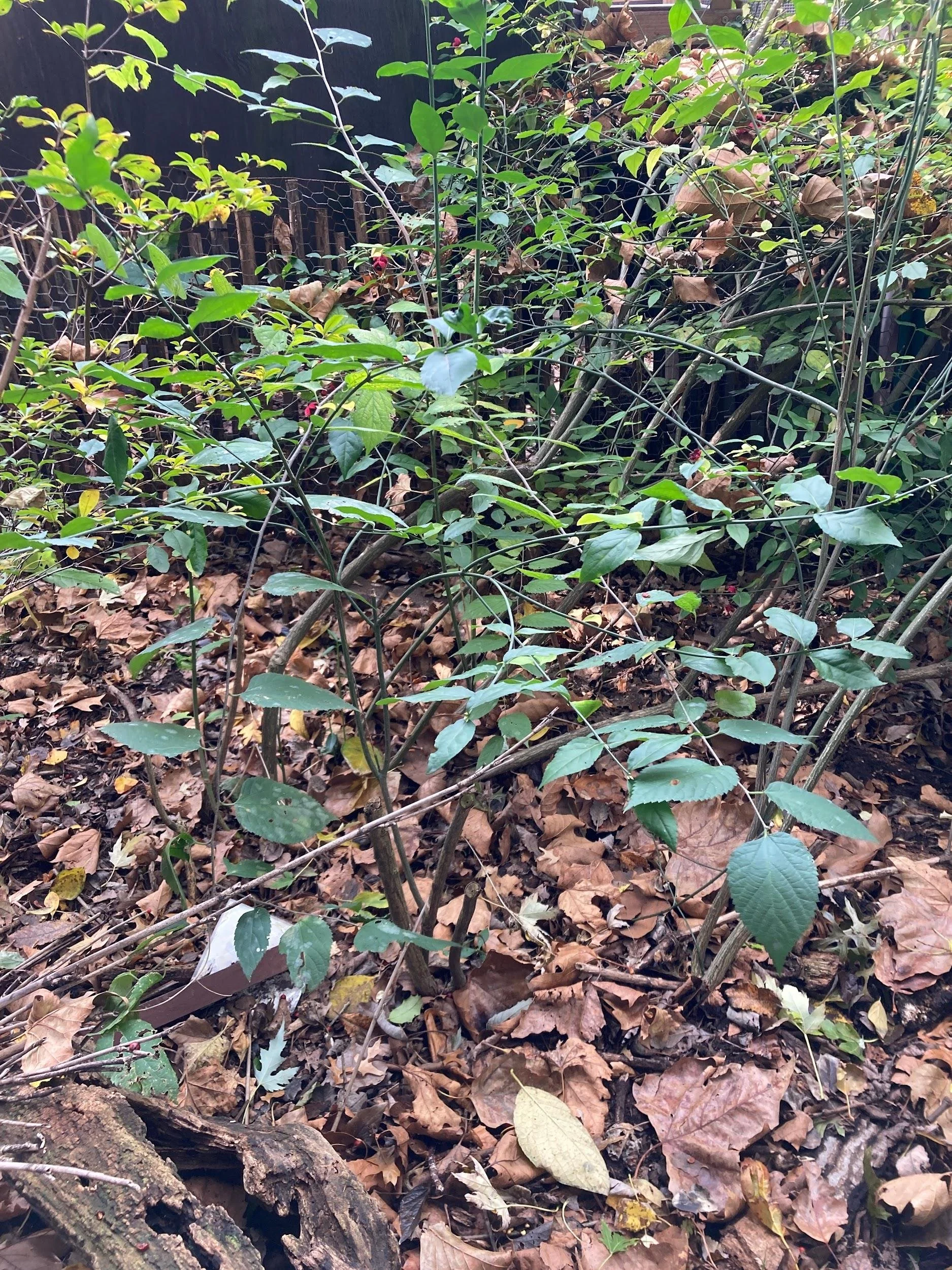
American strawberry bush (Euonymus americanus)
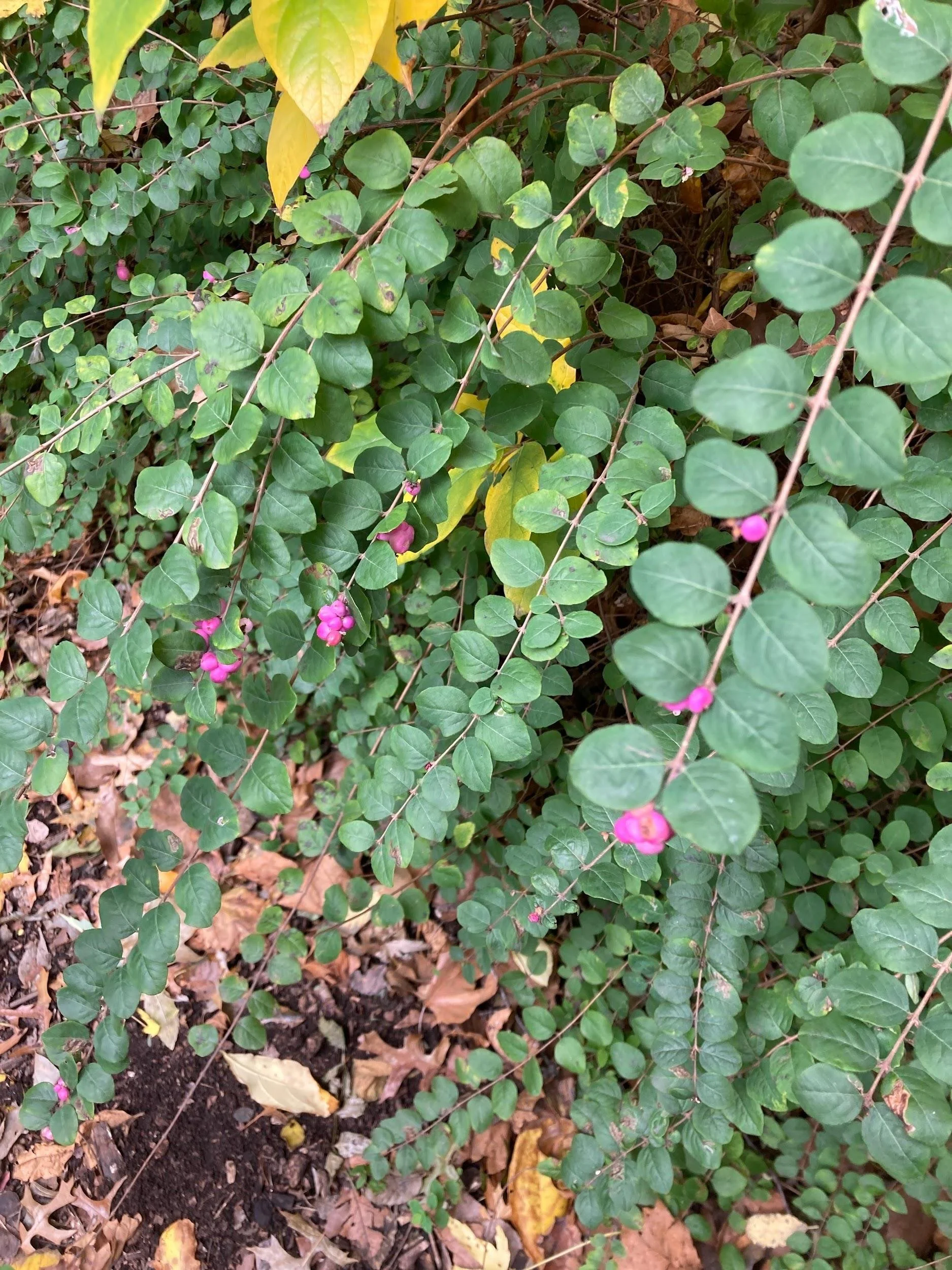
Pink snowberry (Symphoricarpos albus)
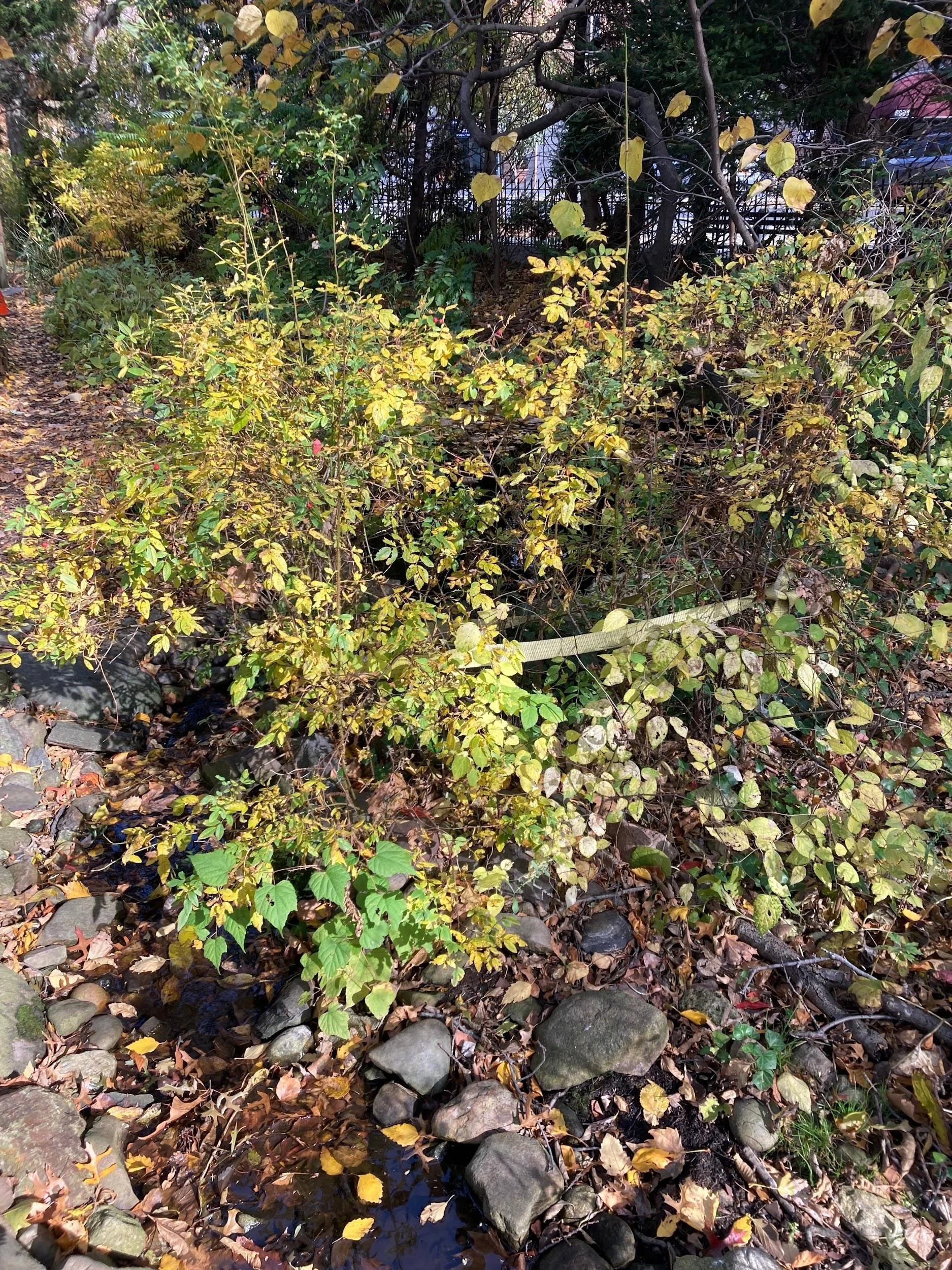
Native wild rose (Rosa virginiana)
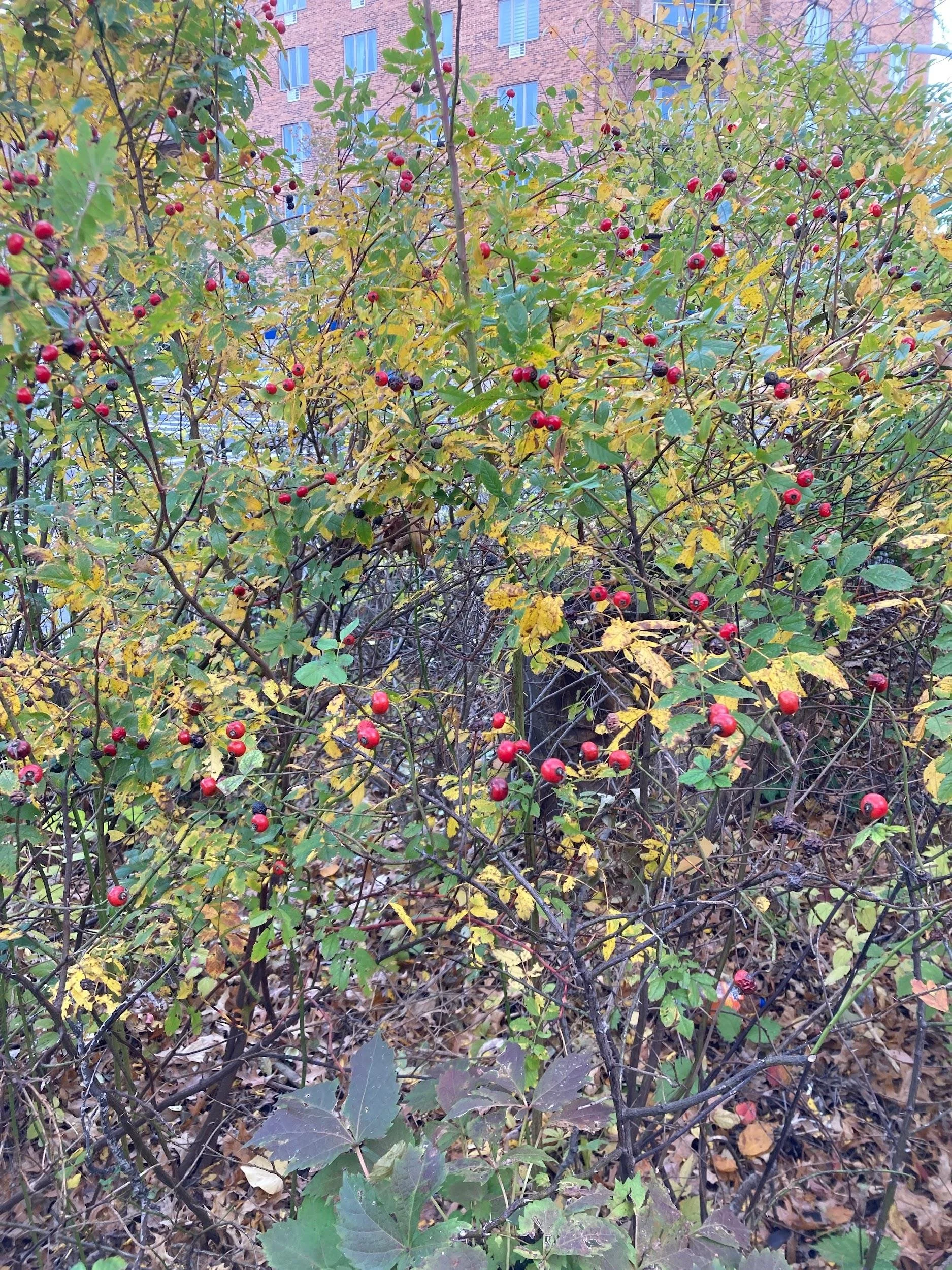
Carolina rose (Rosa carolina)
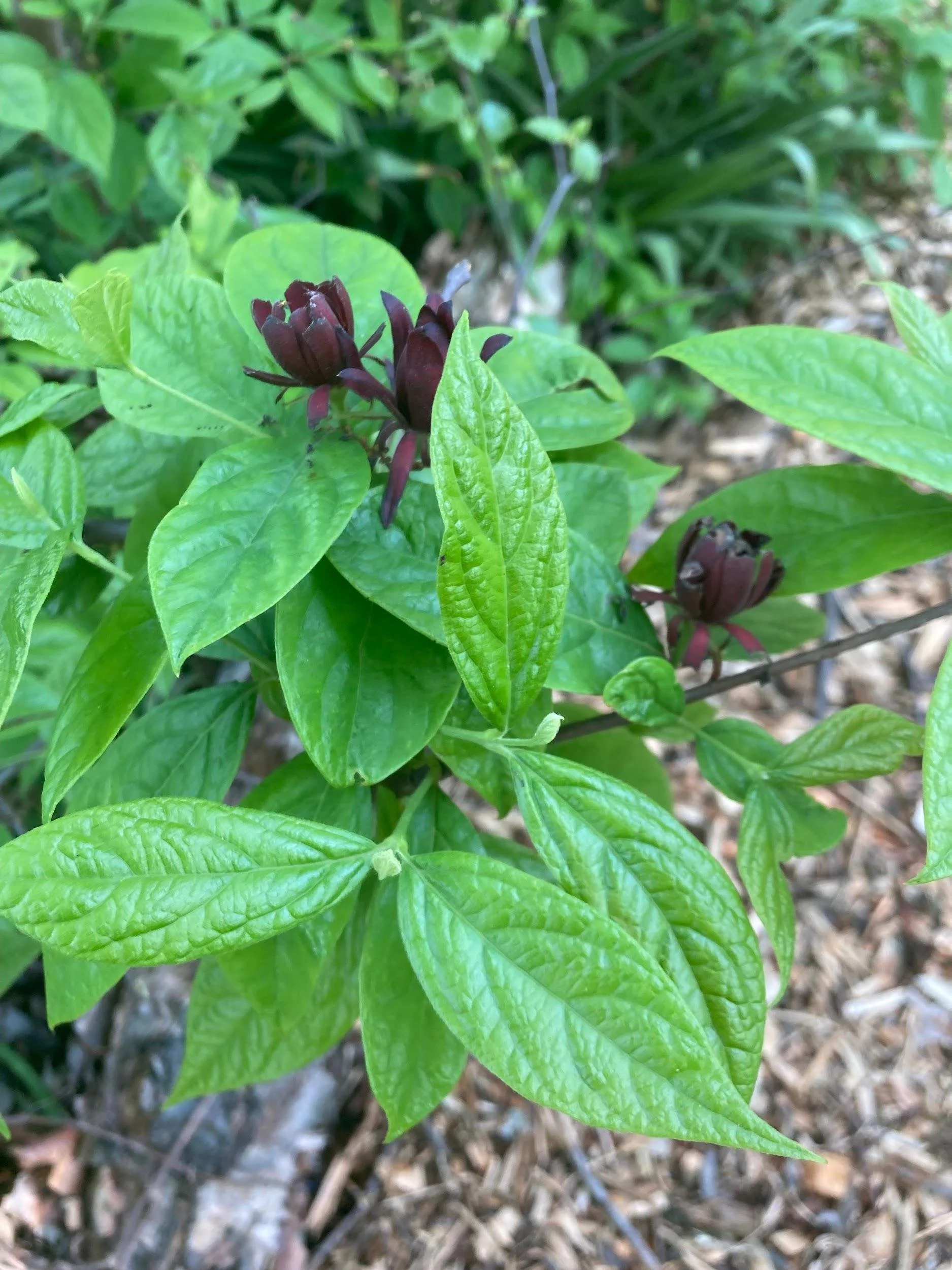
Carolina allspice (Calycanthus floridus)
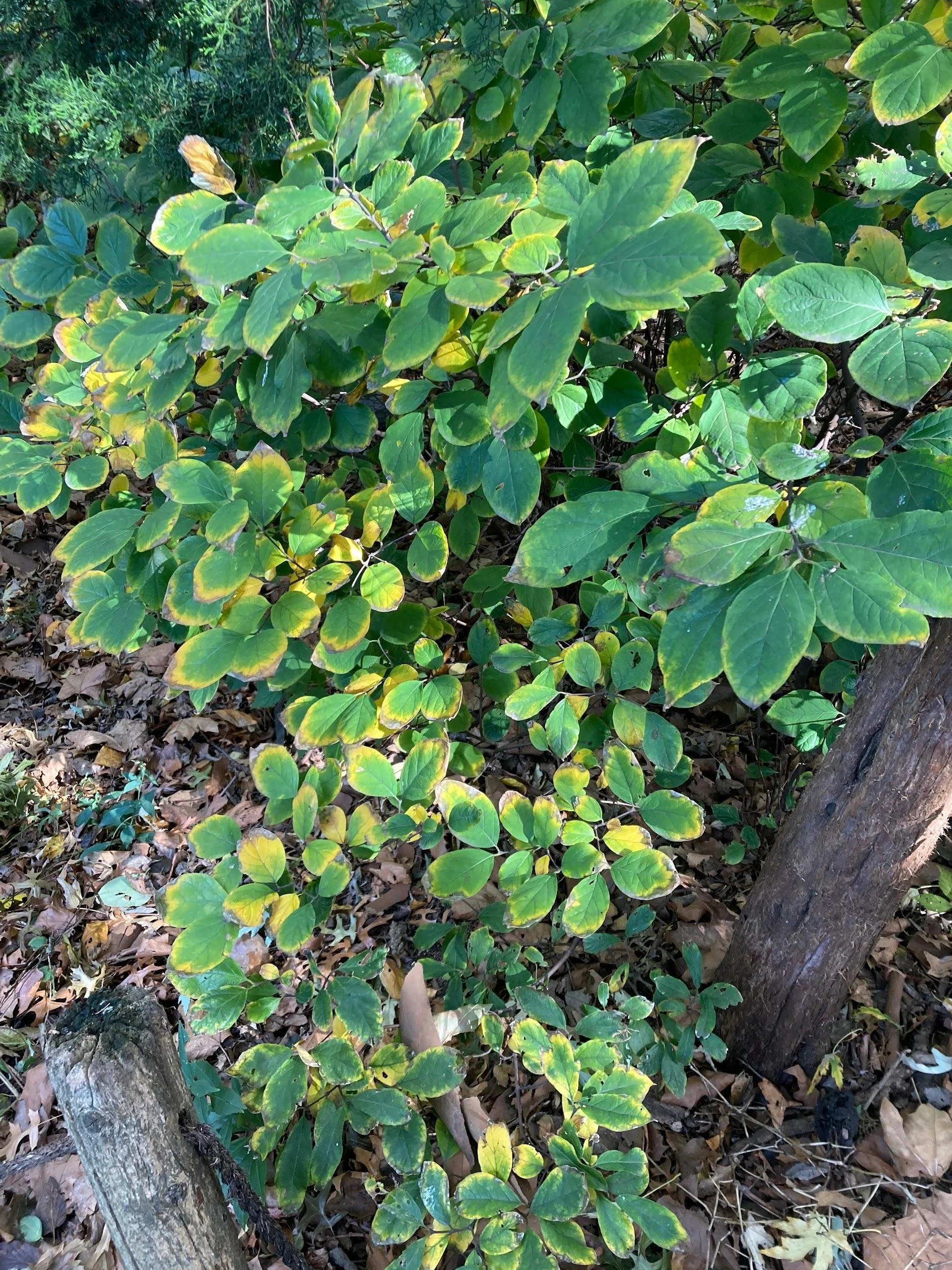
Carolina allspice (Calycanthus floridus)
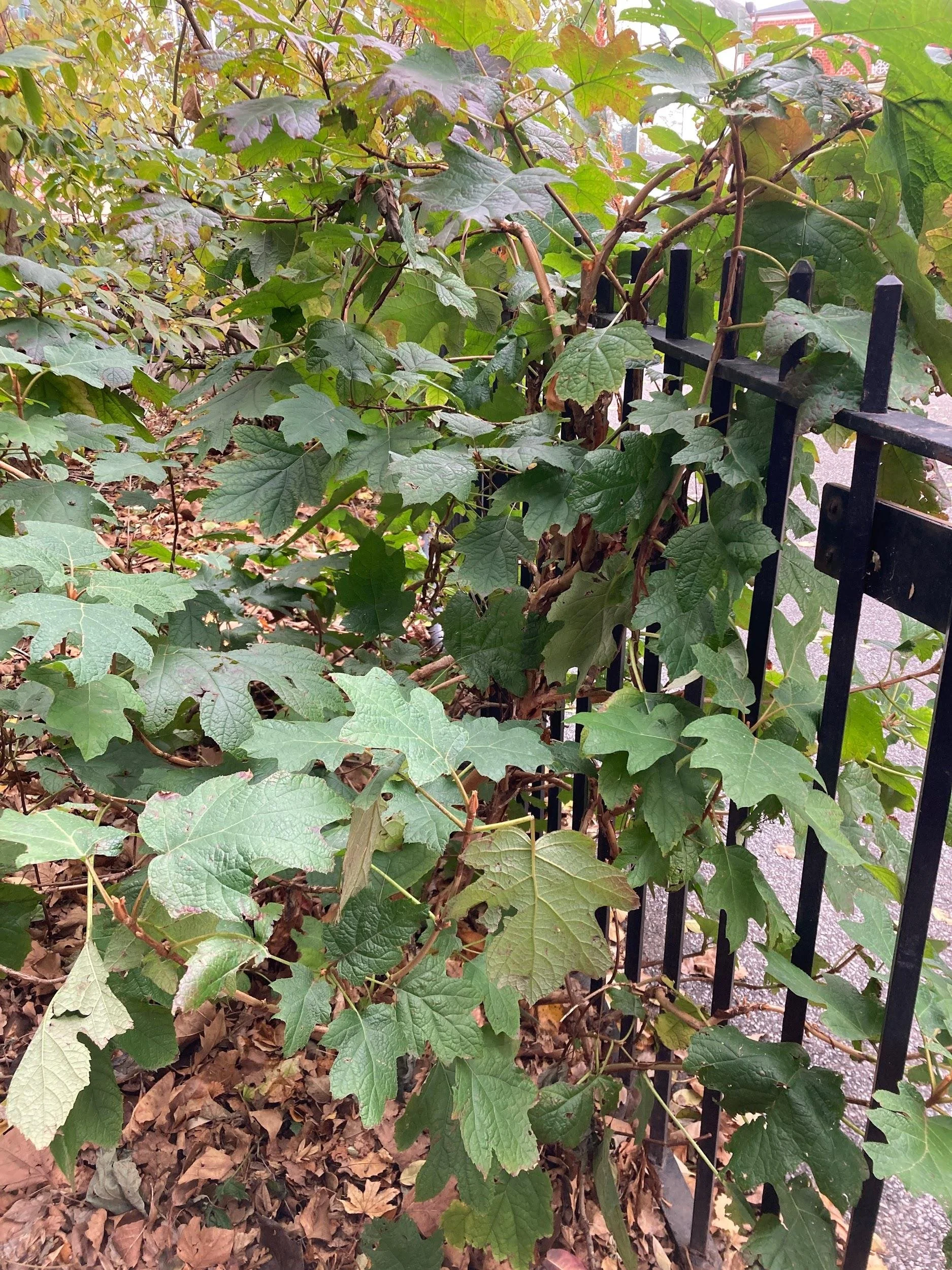
Oakleaf hydrangea (Hydrangea quercifolia)
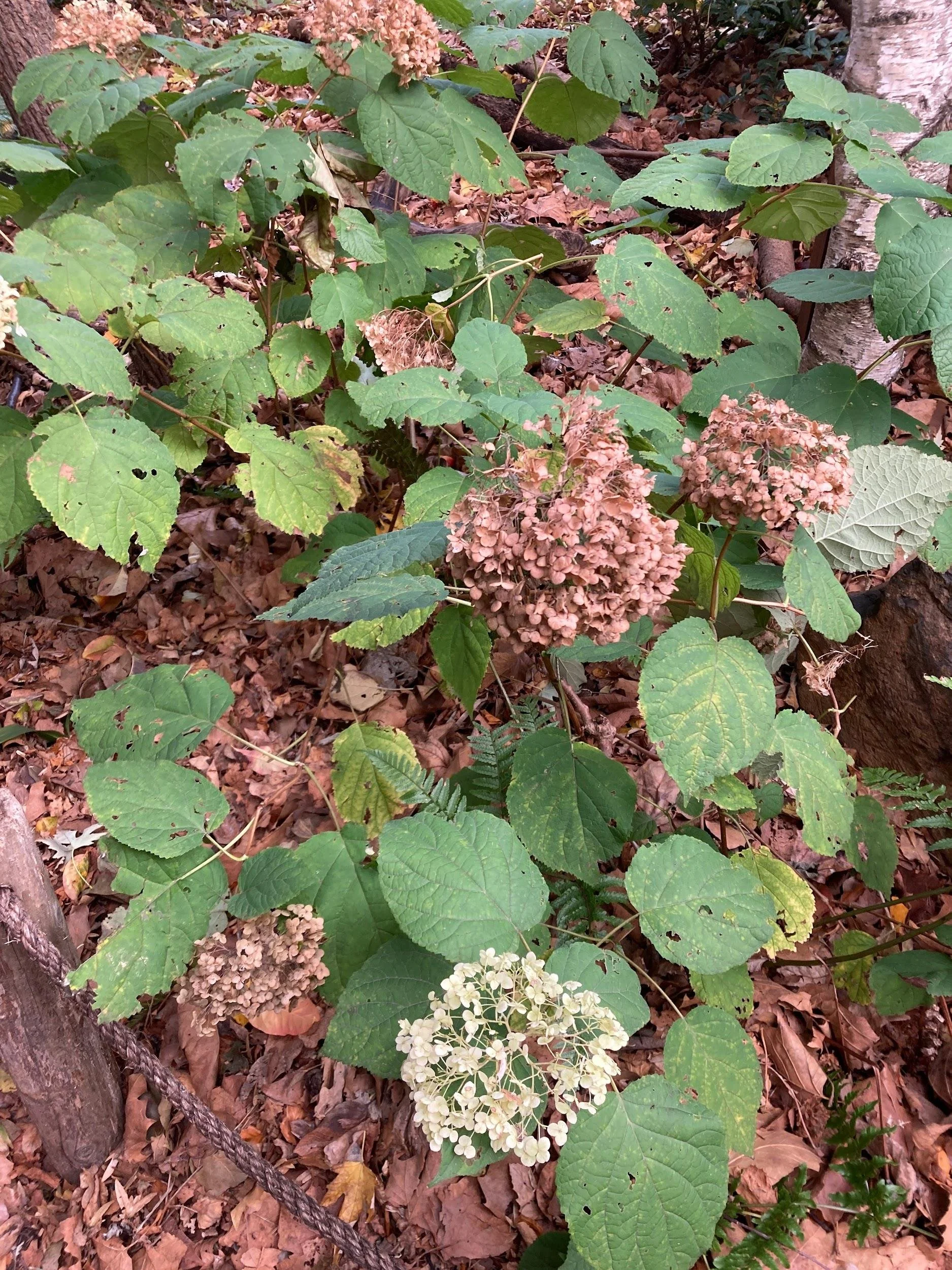
Hydrangea annabelle (Hydrangea arborescens)
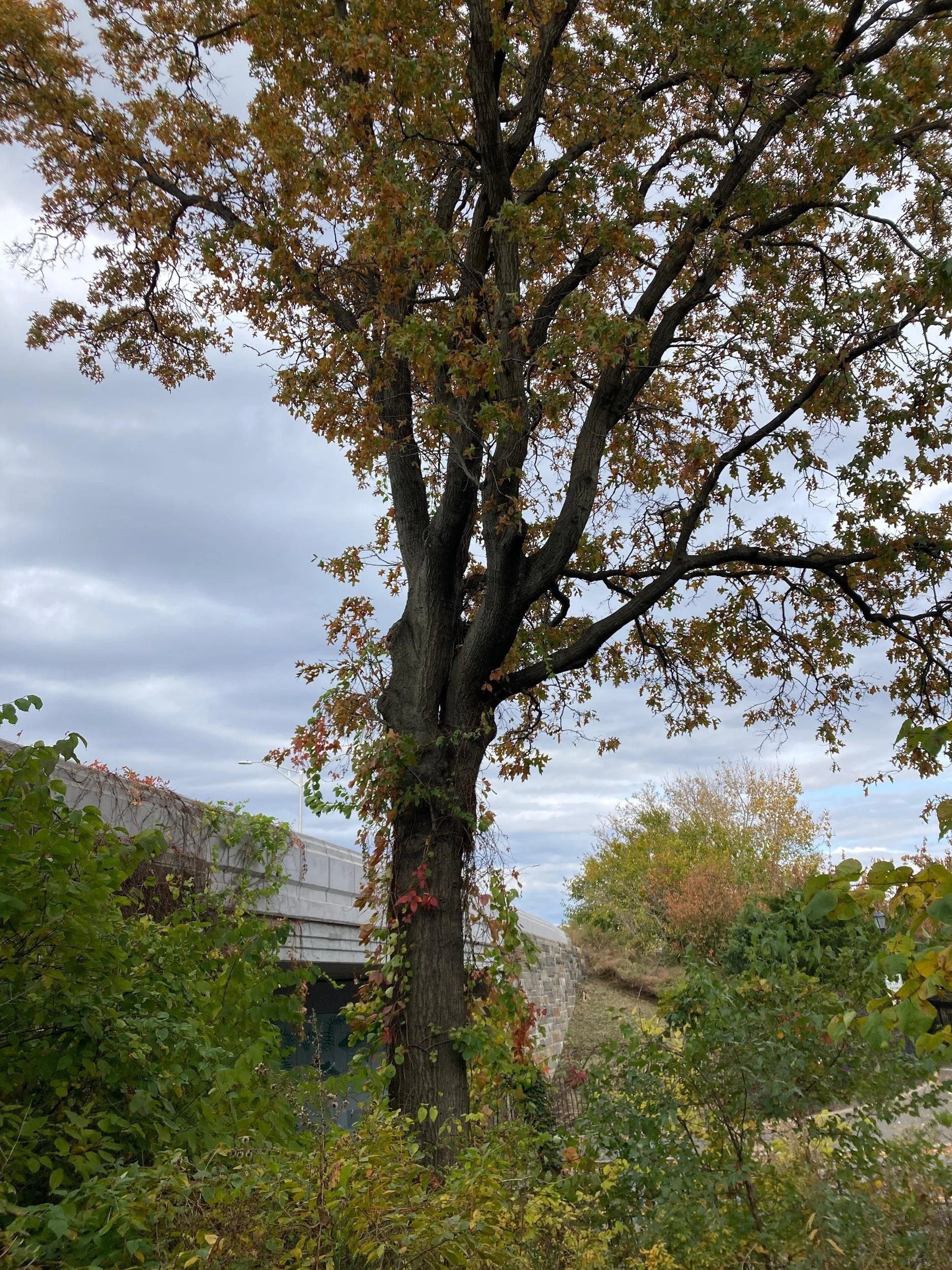
Old oak with bittersweet vine (Celastrus scandens)
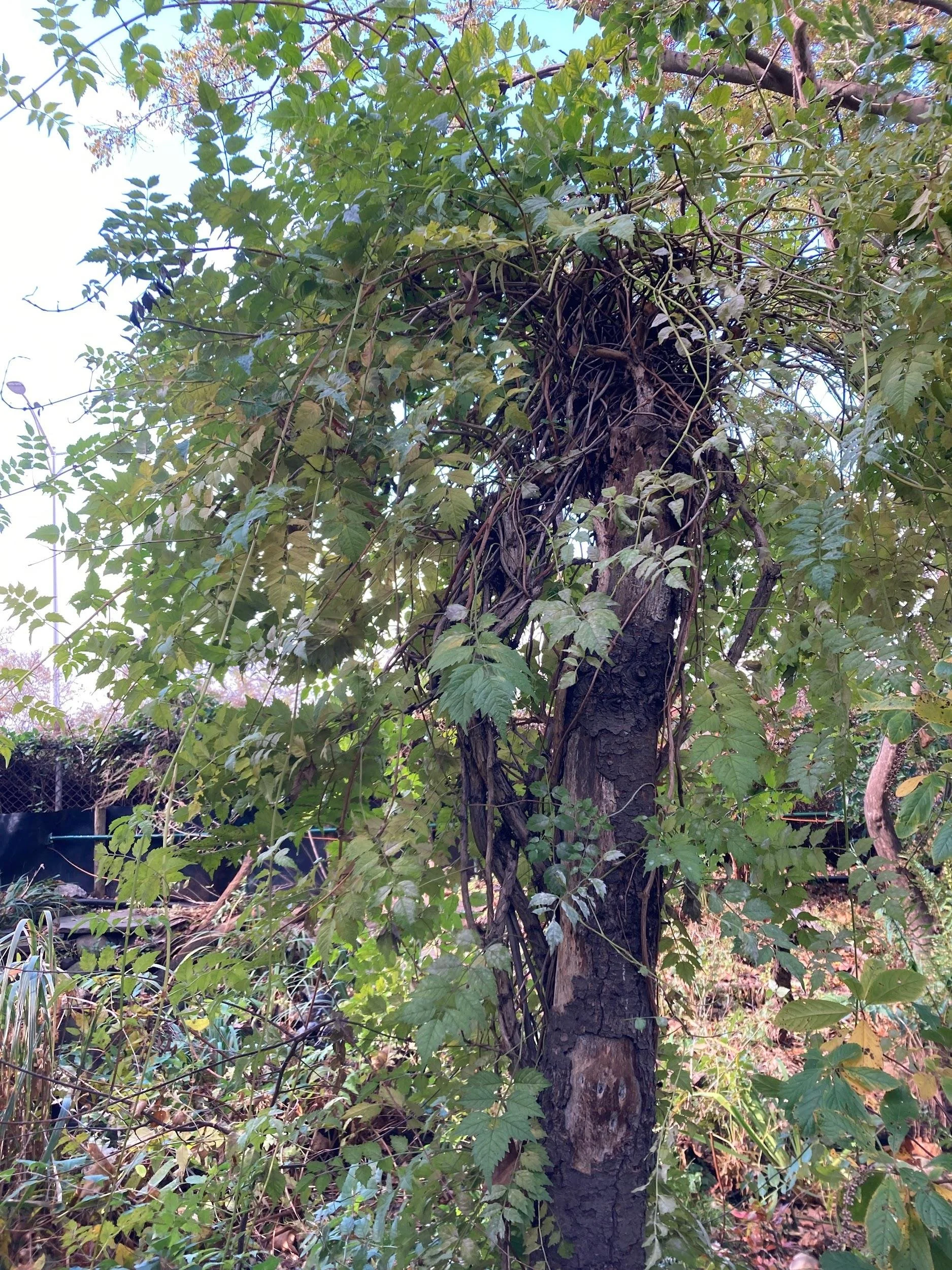
Trumpet vine (Campsis radicans)
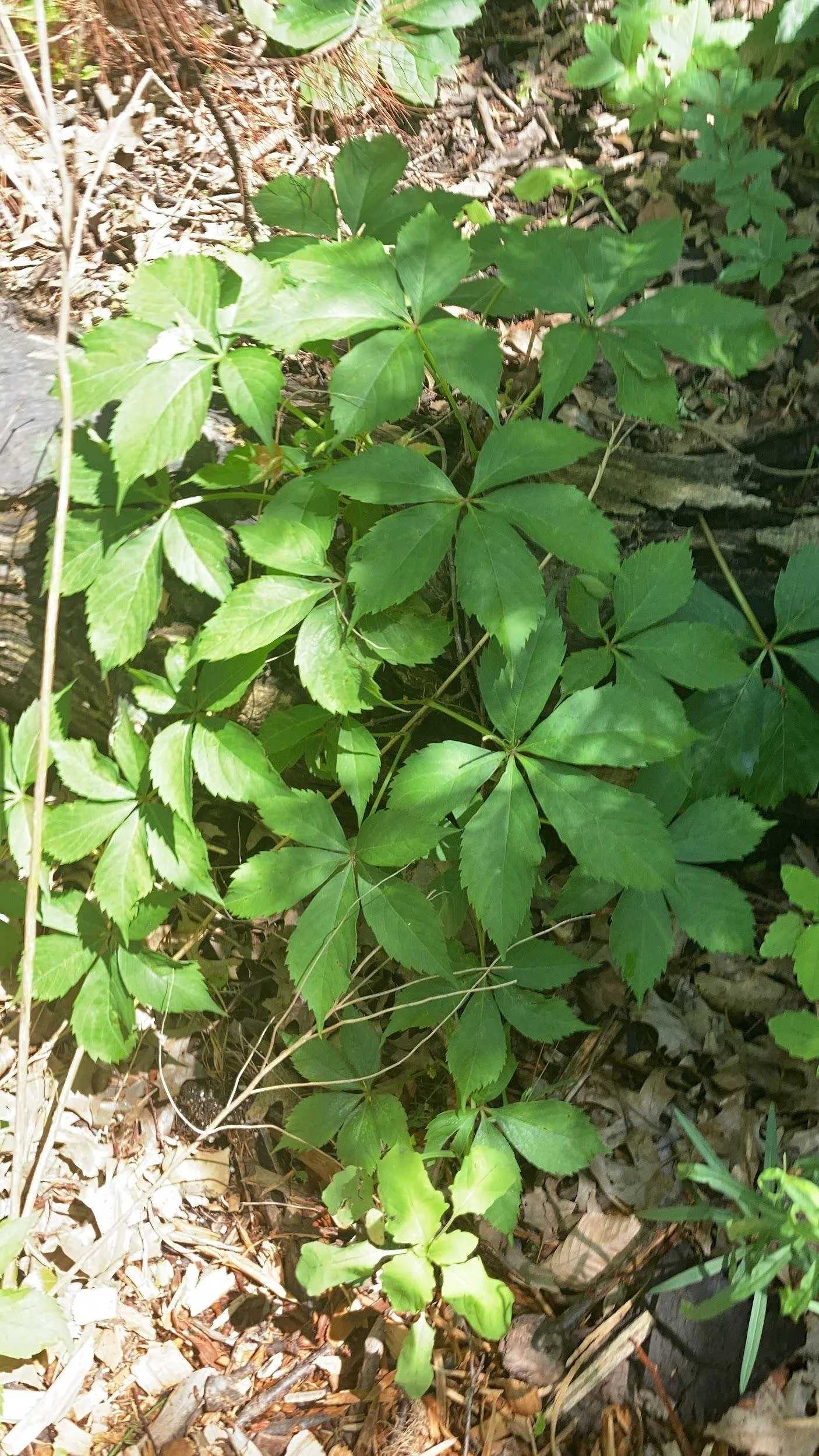
Virginia creeper (Parthenocissus quinquefolia)
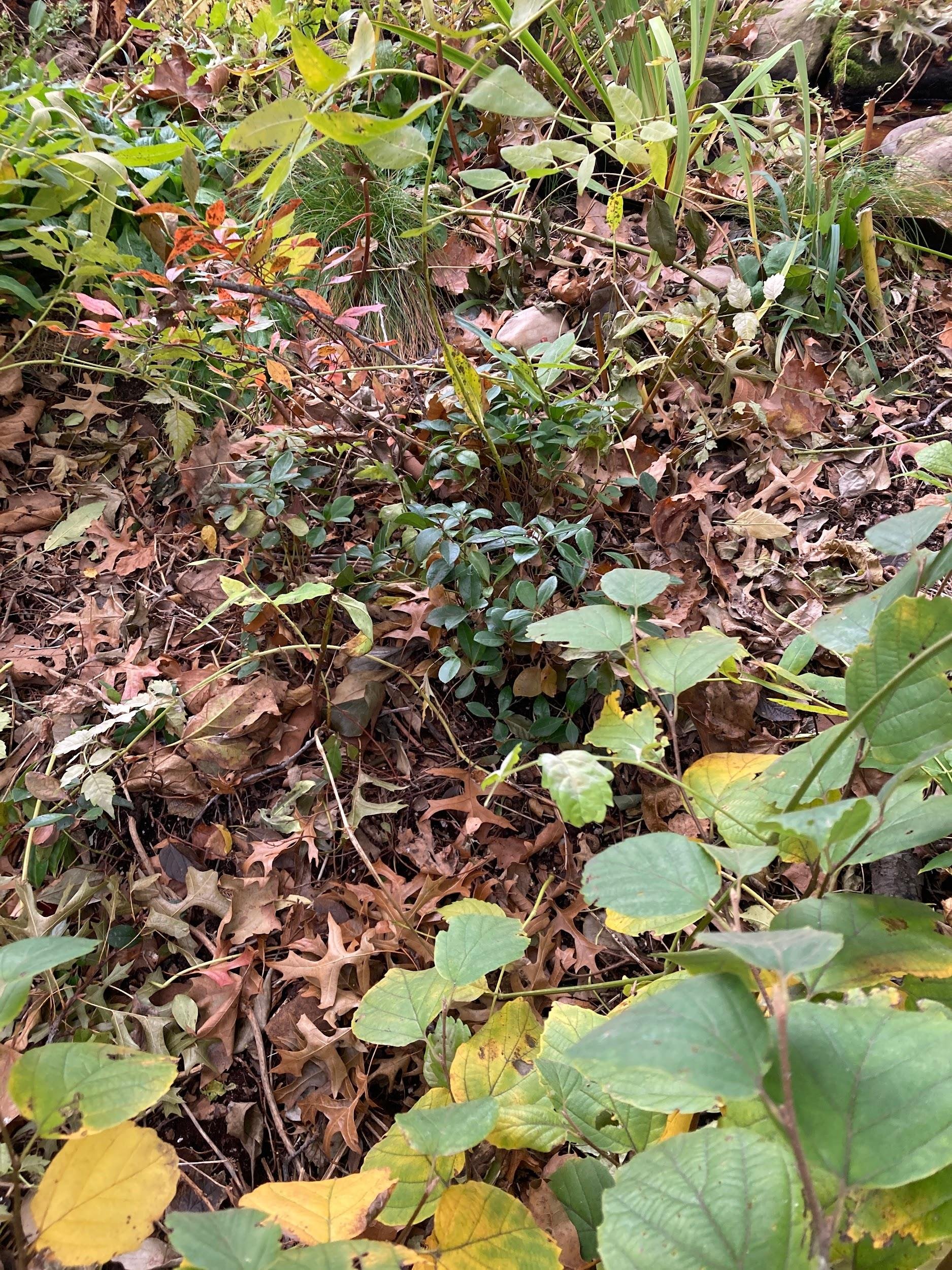
American wintergreen (Gaultheria procumbens)