
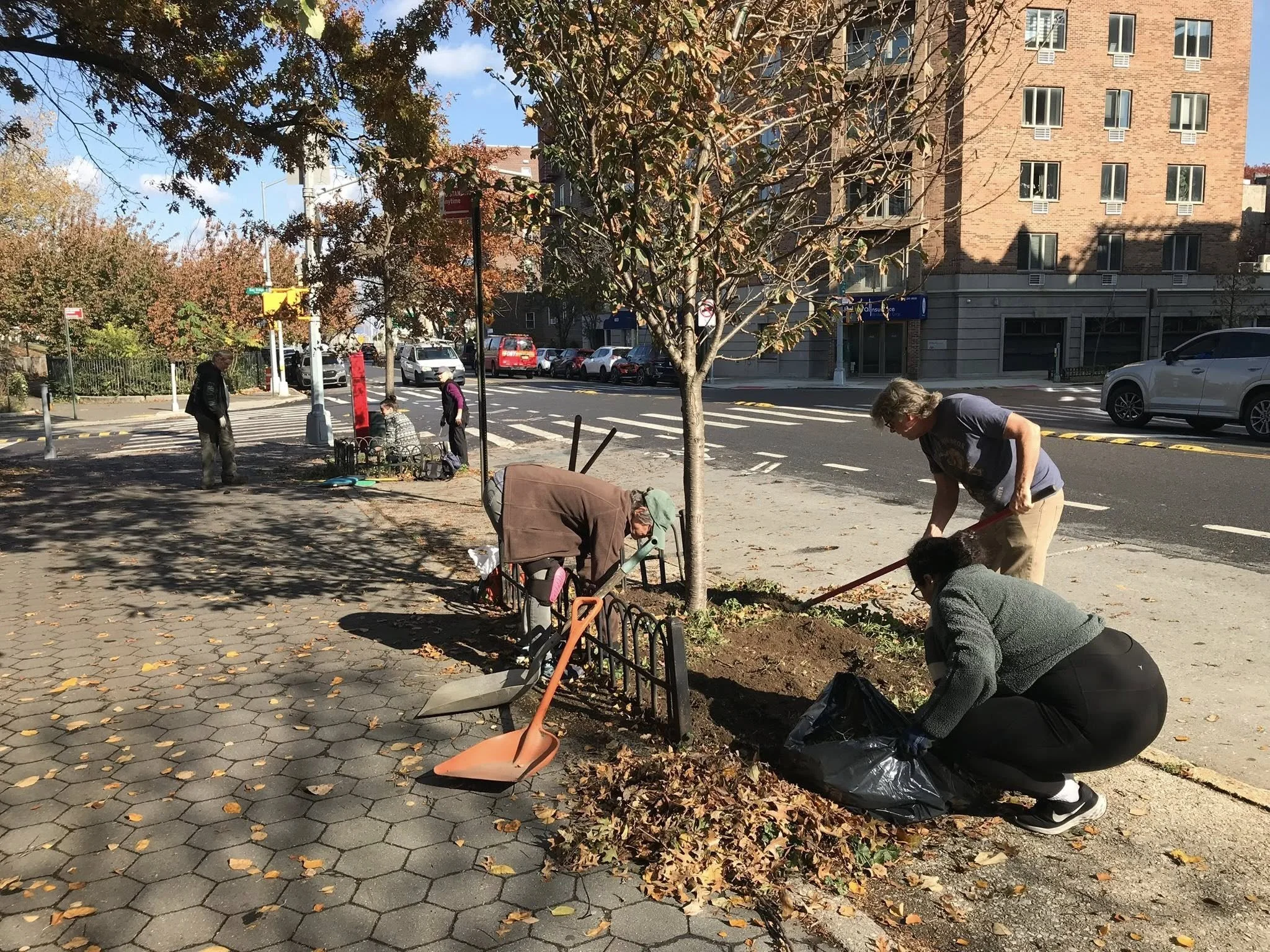
The tree pits along Shore Road are small but powerful examples of how urban landscapes can support healthier communities, cleaner water, and thriving wildlife.
Through this restoration initiative, Narrows Botanical Gardens is transforming tree pits into living habitats featuring a mix of groundcovers, ornamental and native plantings, and pollinator-supporting species. These plantings help absorb stormwater, reduce soil erosion, cool city streets, improve tree health, and provide food and shelter for bees, butterflies, and other beneficial insects.
Each tree pit showcases a unique combination of plants and ecological benefits, demonstrating practical ways residents can care for and improve the green spaces in their own neighborhoods.

CULTIVATING URBAN RESILIENCE
Tree Pit Restoration
Expore our tree pits
Follow the tree pit trail along Shore Road, beginning at Bay Ridge Ave, and discover how carefully selected trees, groundcovers, and understory plants can thrive in one of the city's most challenging growing environments. These demonstration plantings are cared for by volunteers and evolve with the seasons. Some tree pits may occasionally be affected by routine city maintenance and are continually restored as part of this ongoing project.
-
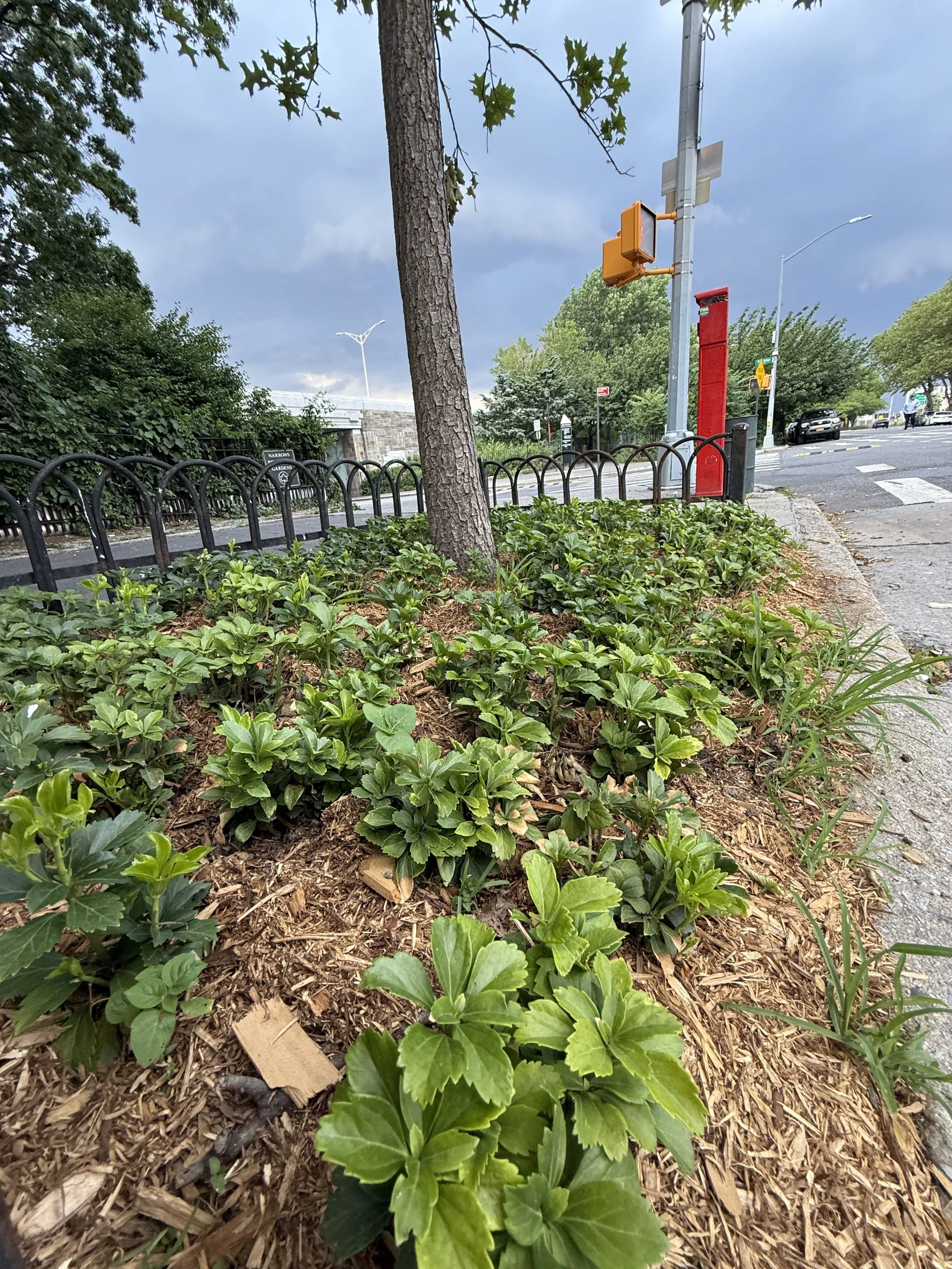
![Pachysandra (Pachysandra terminalis)]()
Tree Pit 1
Pin Oak (Quercus palustris)
UNDERPLANTING
Pachysandra (Pachysandra terminalis) -
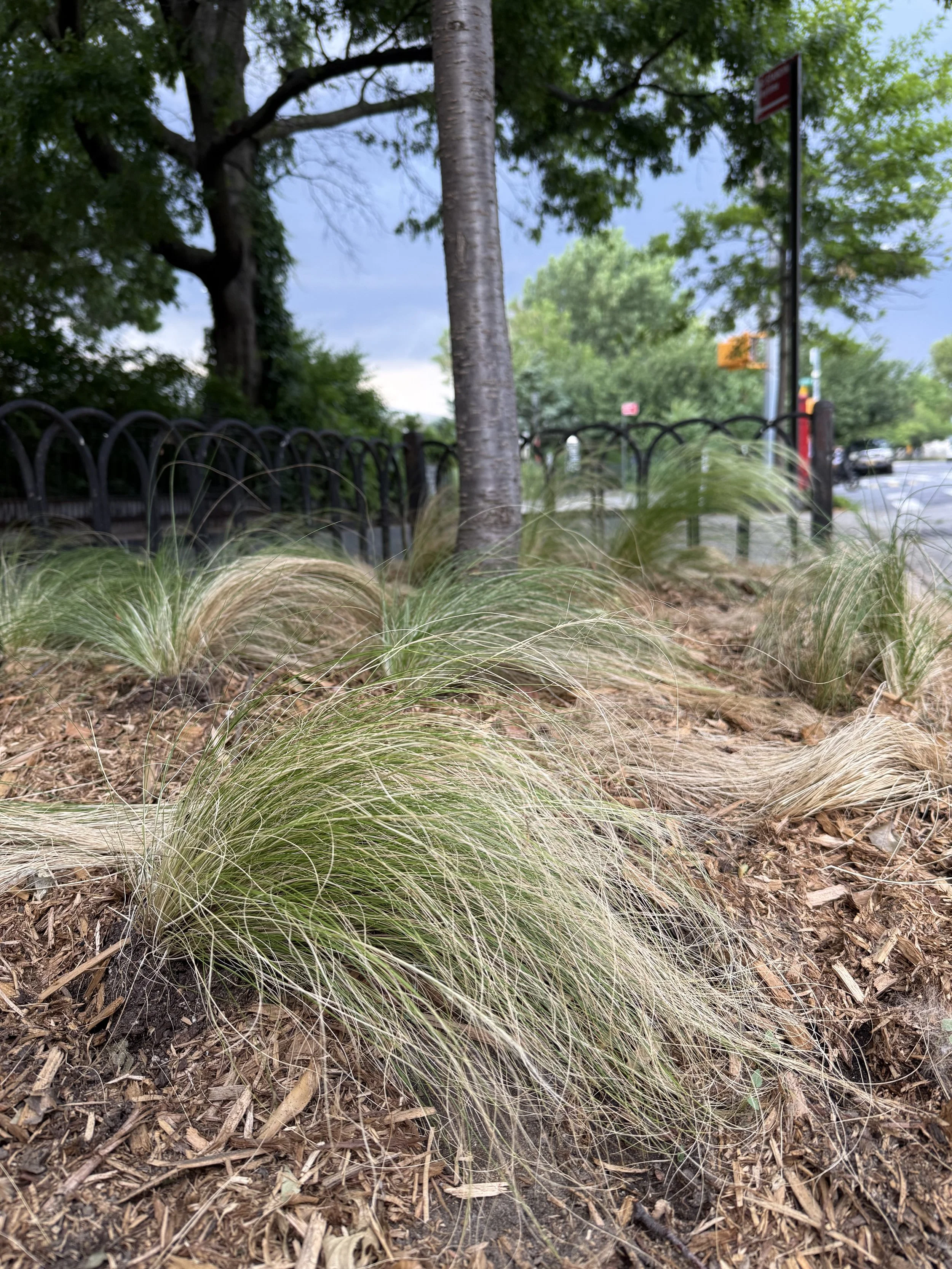
![Japanese Flowering Cherry ‘Kwanzan’ (Prunus serrulata ‘Kwanzan’)]()
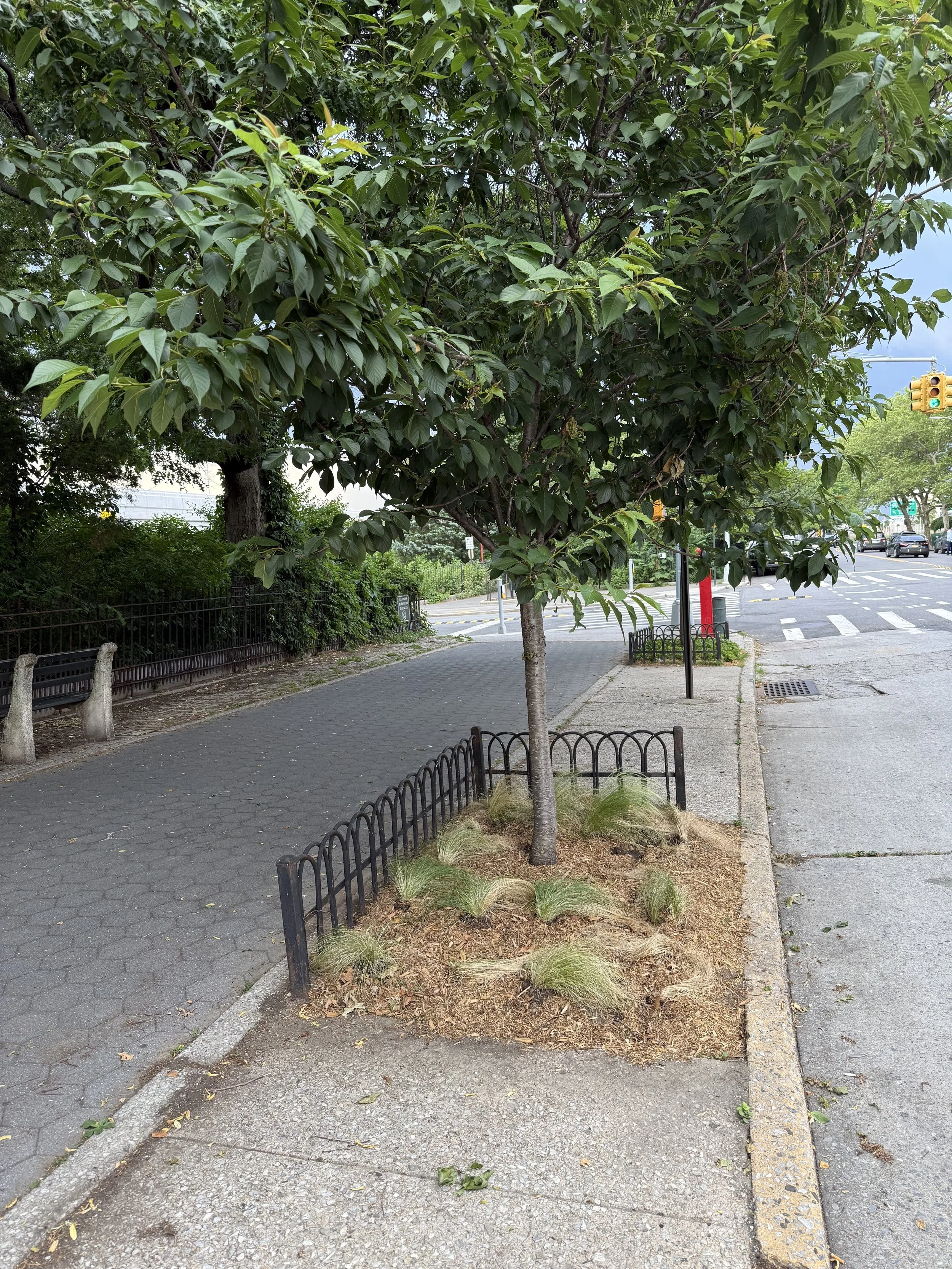
Tree Pit 2
Japanese Flowering Cherry ‘Kwanzan’ (Prunus serrulata ‘Kwanzan’)
UNDERPLANTING
Mexican Feather Grass (Nassella tenuissima) -
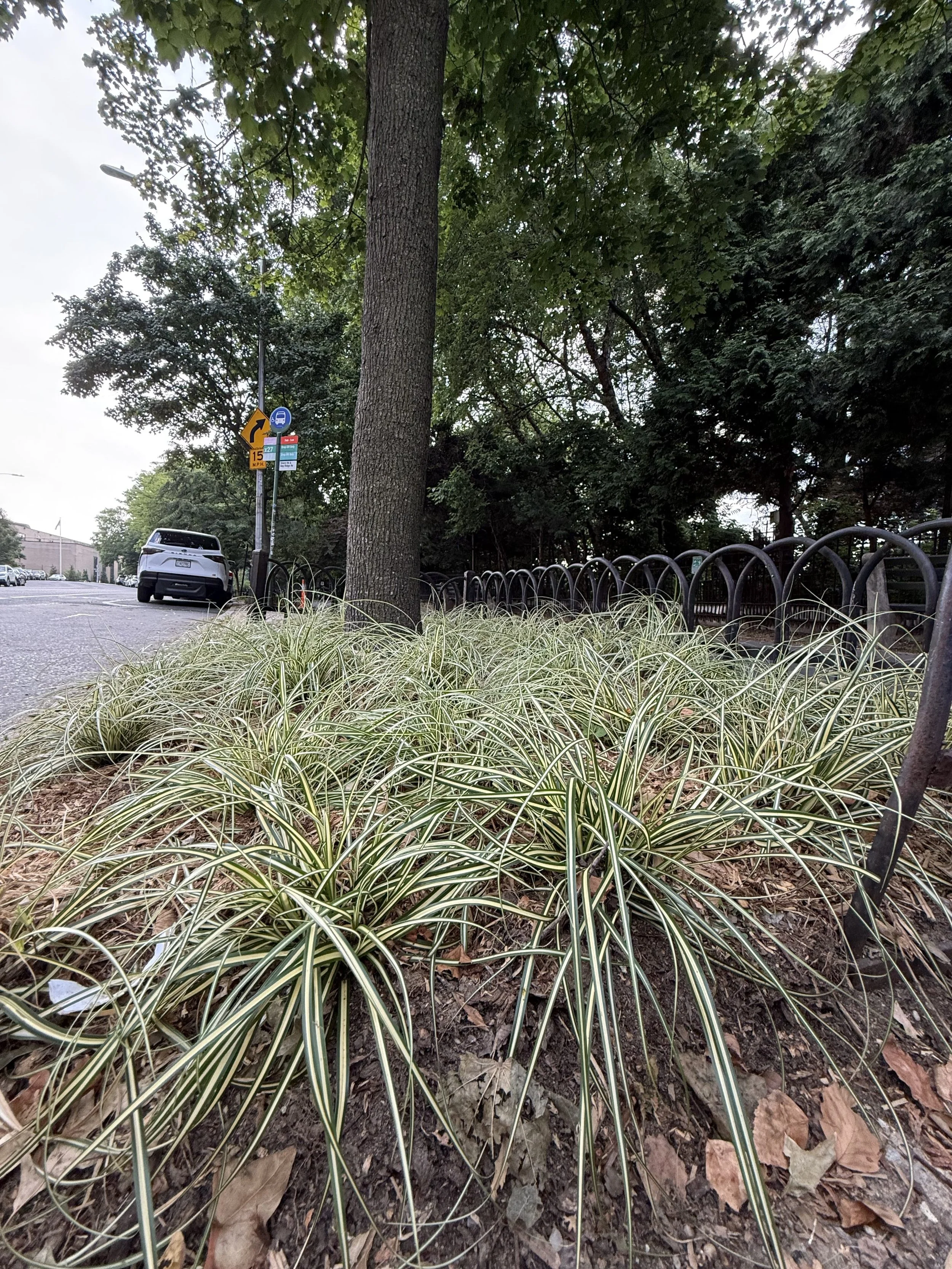
![Evergold Sedge (Carex oshimensis ‘Evergold’)]()
Tree Pit 3
Norway Maple (Acer platanoides)
UNDERPLANTING
Evergold Sedge (Carex oshimensis ‘Evergold’) -
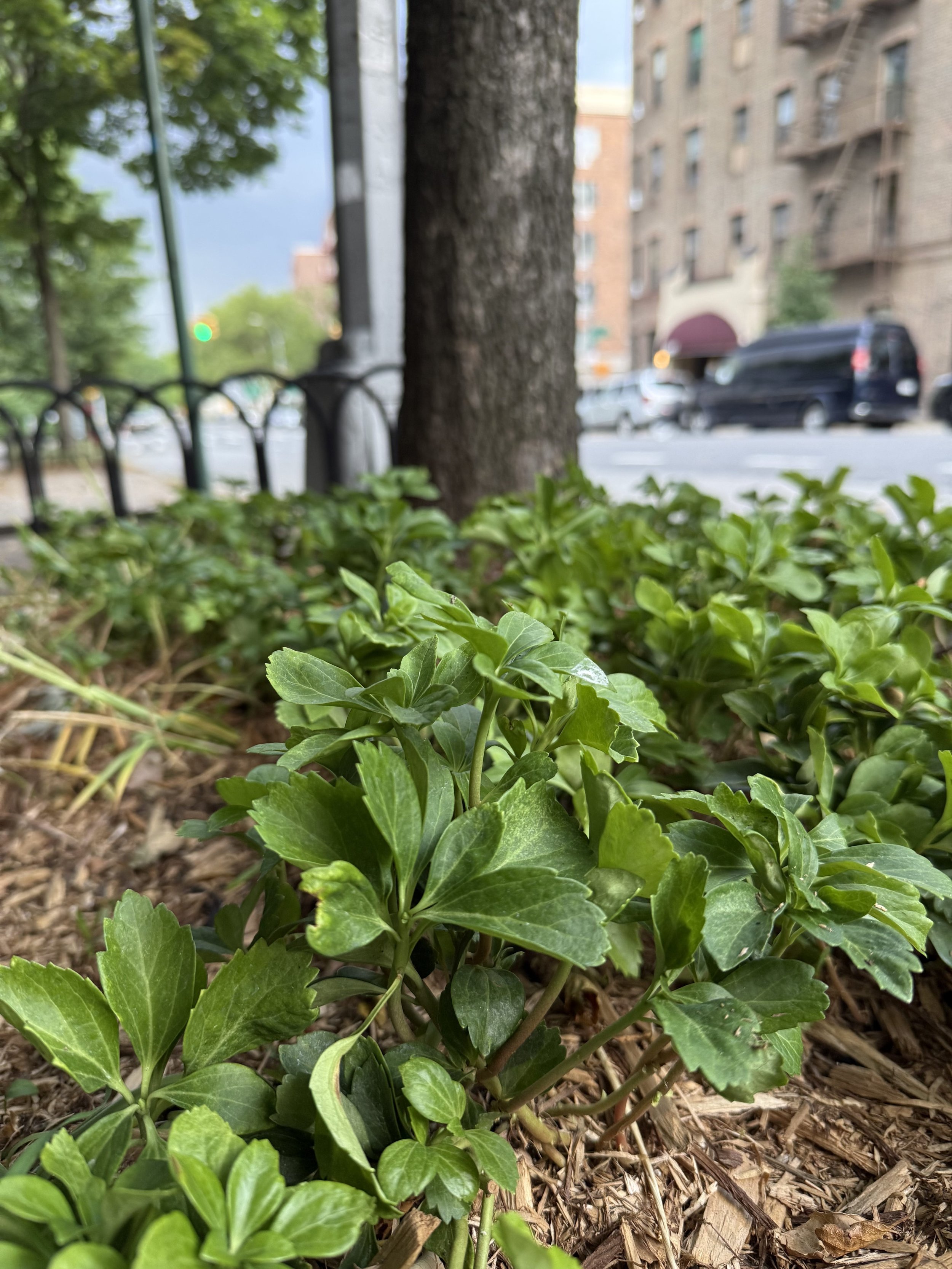
![Pachysandra (Pachysandra terminalis)]()
Tree Pit 4
Hedge Maple (Acer campestre)
UNDERPLANTING
Pachysandra (Pachysandra terminalis) -
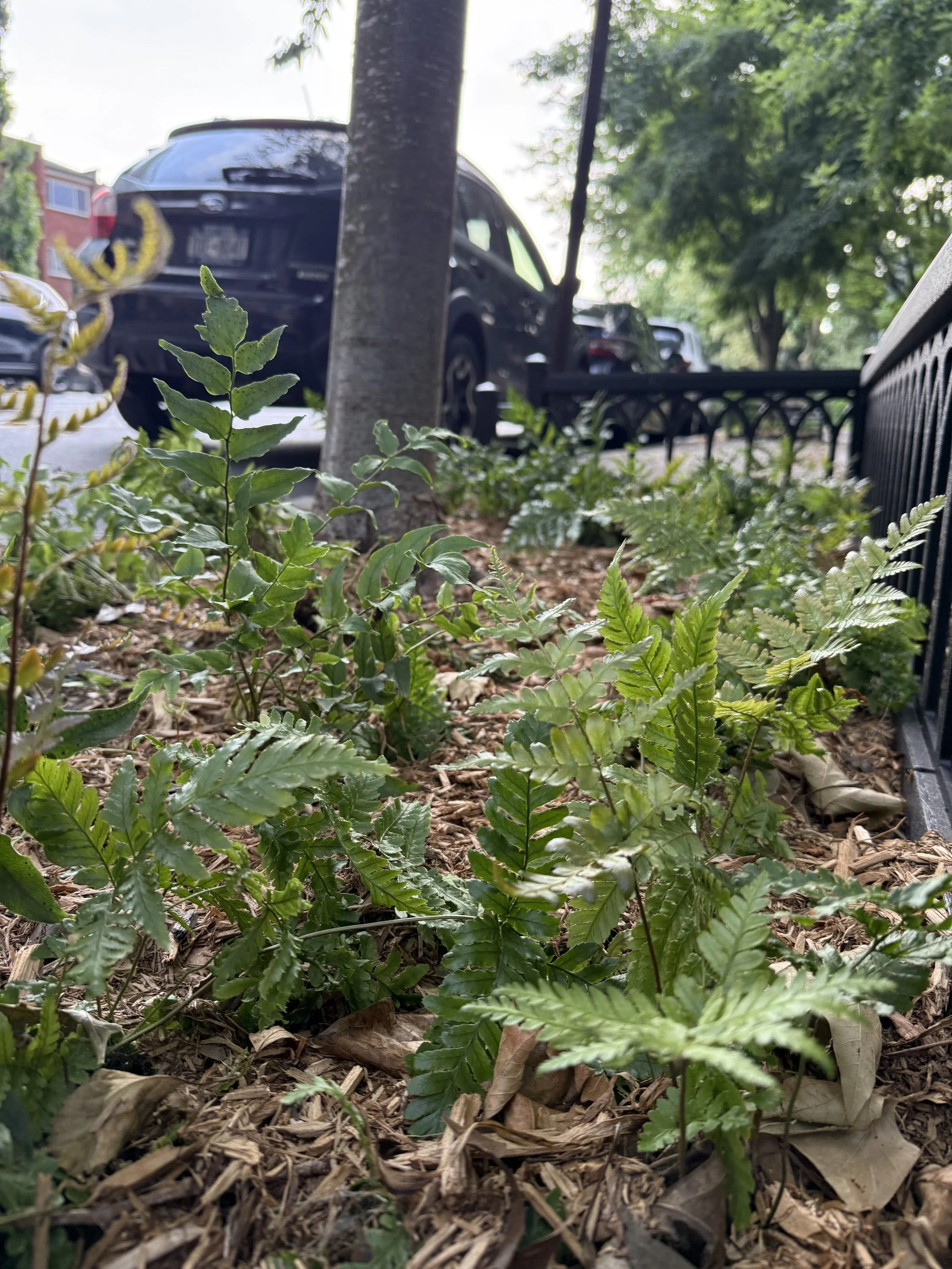
![Autumn Fern (Dryopteris erythrosora)]()
Tree Pit 5
Japanese Zelkova (Zelkova serrata)
UNDERPLANTING
Autumn Fern (Dryopteris erythrosora)
Japanese Holly Fern (Cyrtomium falcatum) -
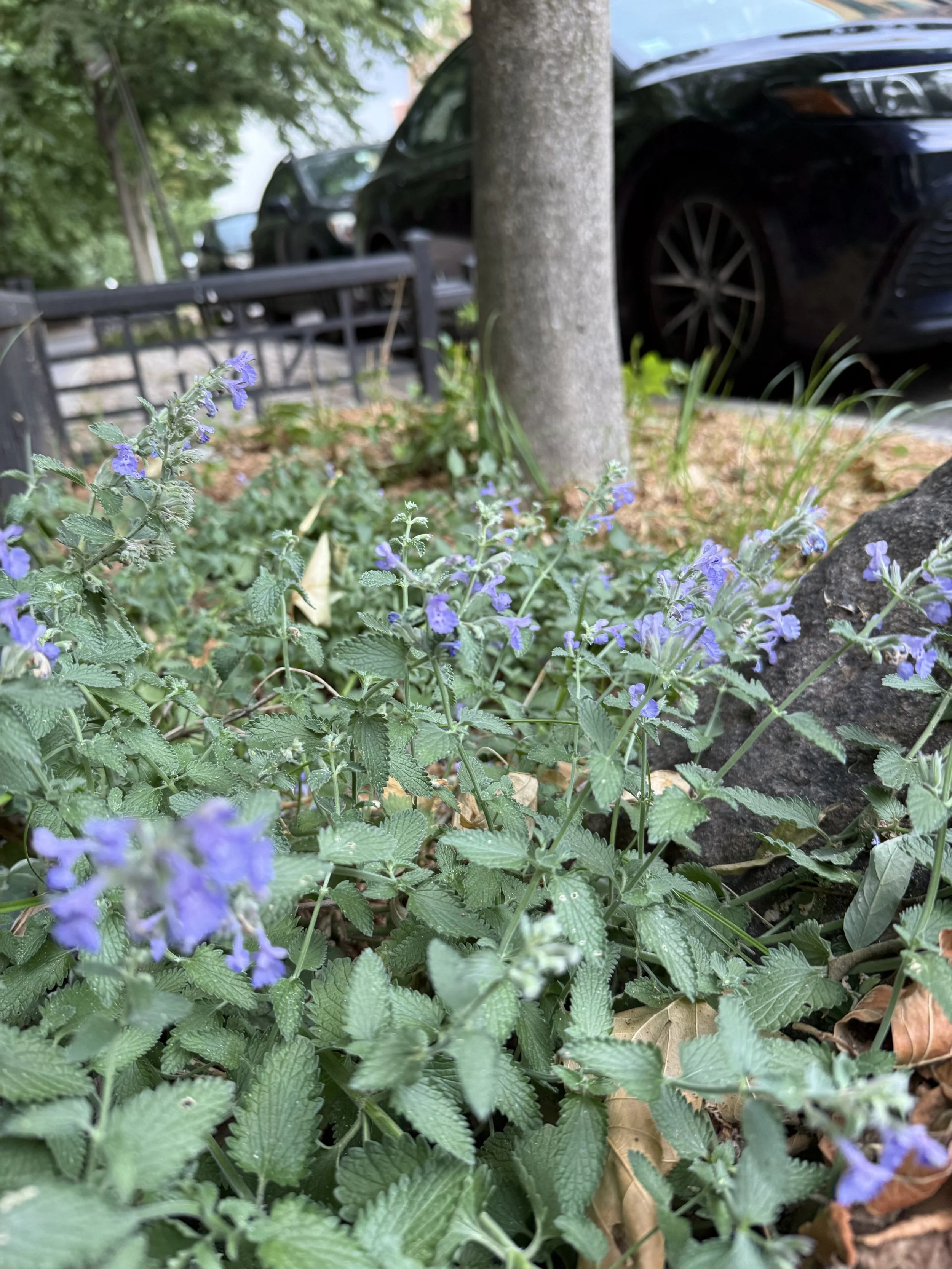
![Walker’s Low Catmint (Nepeta × faassenii ‘Walker’s Low’)]()
Tree Pit 6
Trident Maple (Acer buergerianum)
UNDERPLANTING
Walker’s Low Catmint (Nepeta × faassenii ‘Walker’s Low’) -
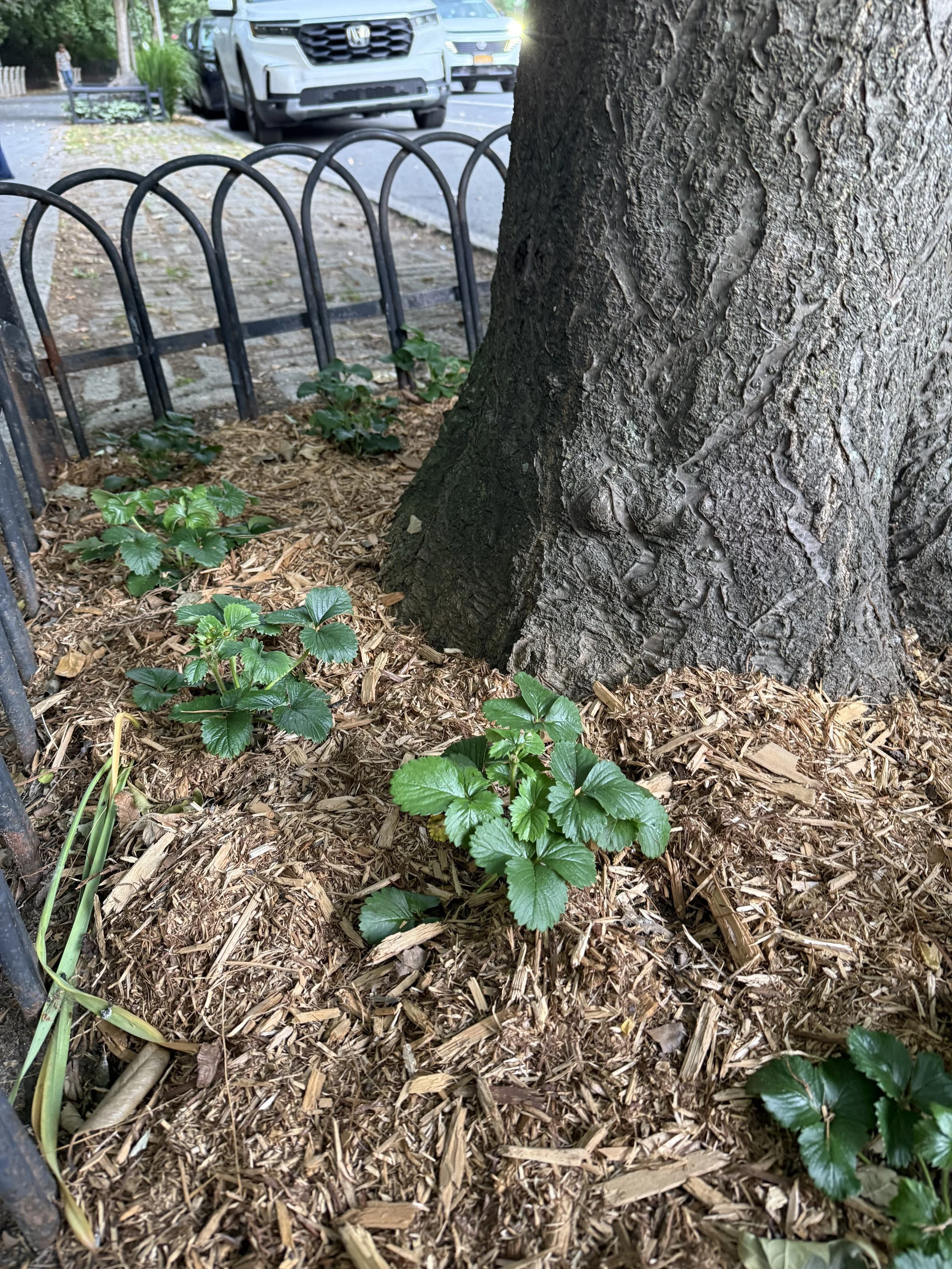
![Garden Strawberry (Fragaria × ananassa)]()
Tree Pit 7
Amur Maackia (Maackia amurensis)
UNDERPLANTING
Garden Strawberry (Fragaria × ananassa) -
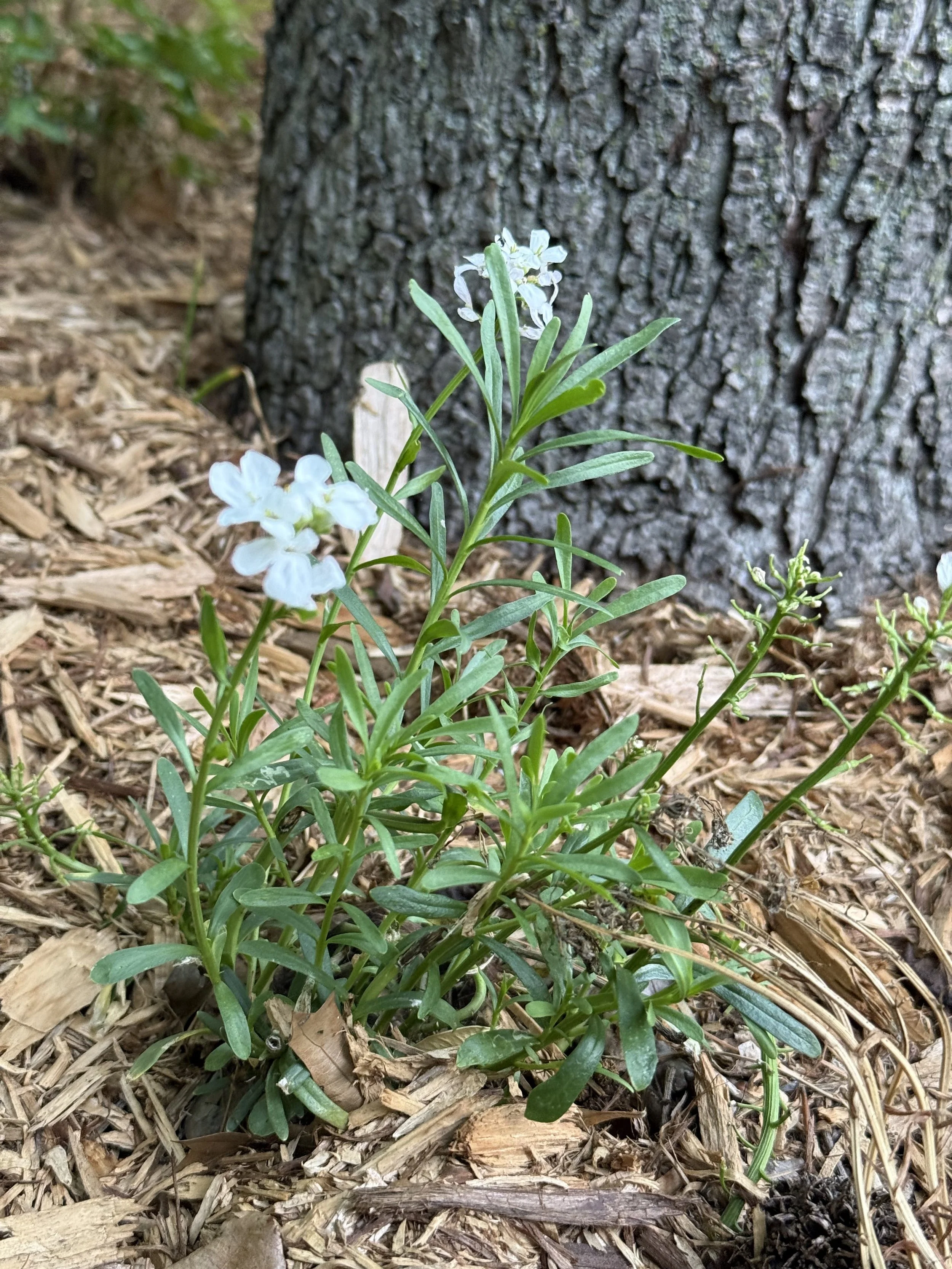
![Candytuft (Iberis sempervirens)]()
Tree Pit 8
Variegated Sweetgum (Liquidambar styraciflua cultivar)
UNDERPLANTING
Candytuft (Iberis sempervirens)
English Ivy (Hedera helix) -
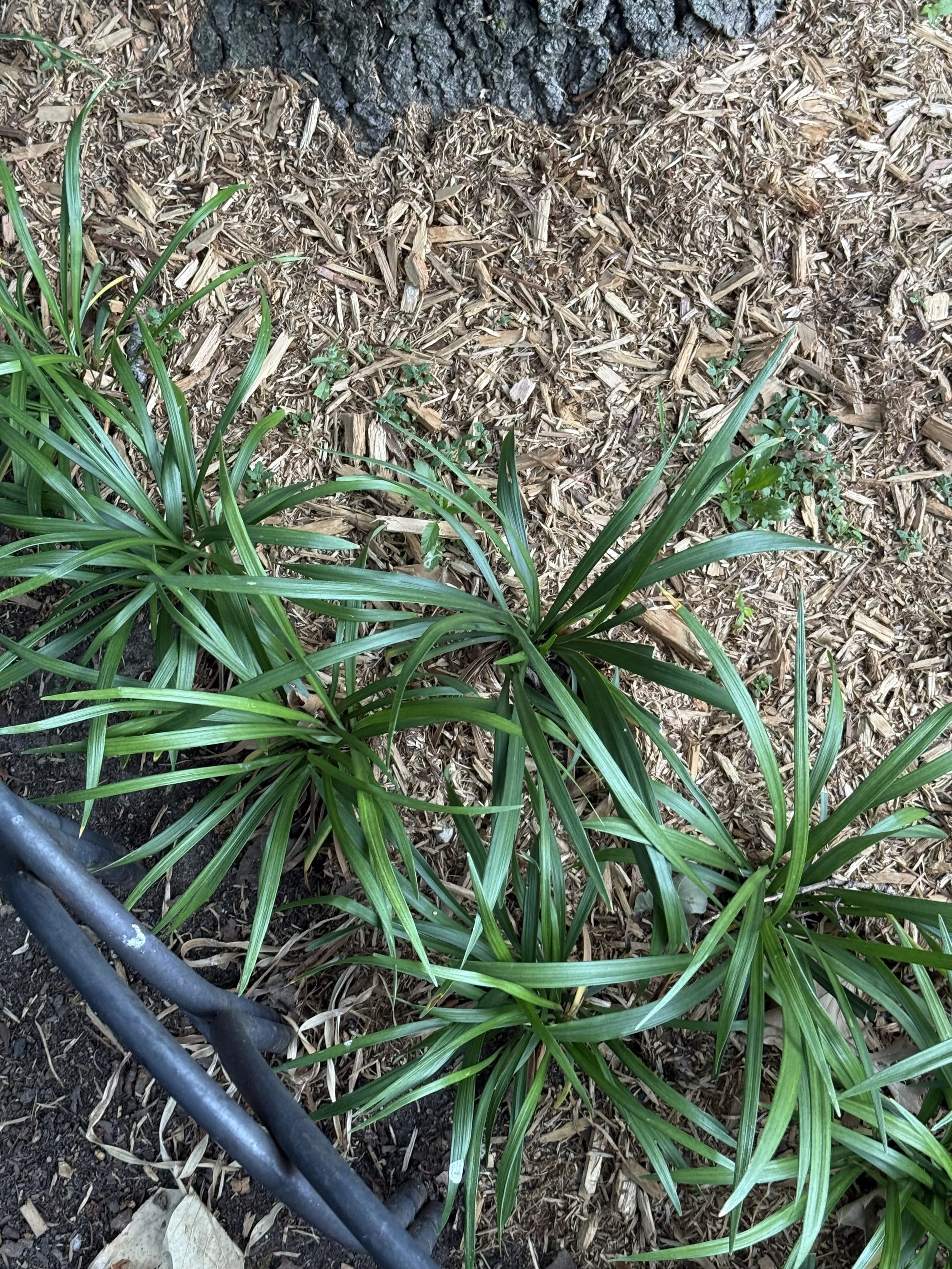
![Lilyturf (Liriope muscari)]()
Tree Pit 9
Sweetgum (Liquidambar styraciflua)
UNDERPLANTING
Lilyturf (Liriope muscari) -
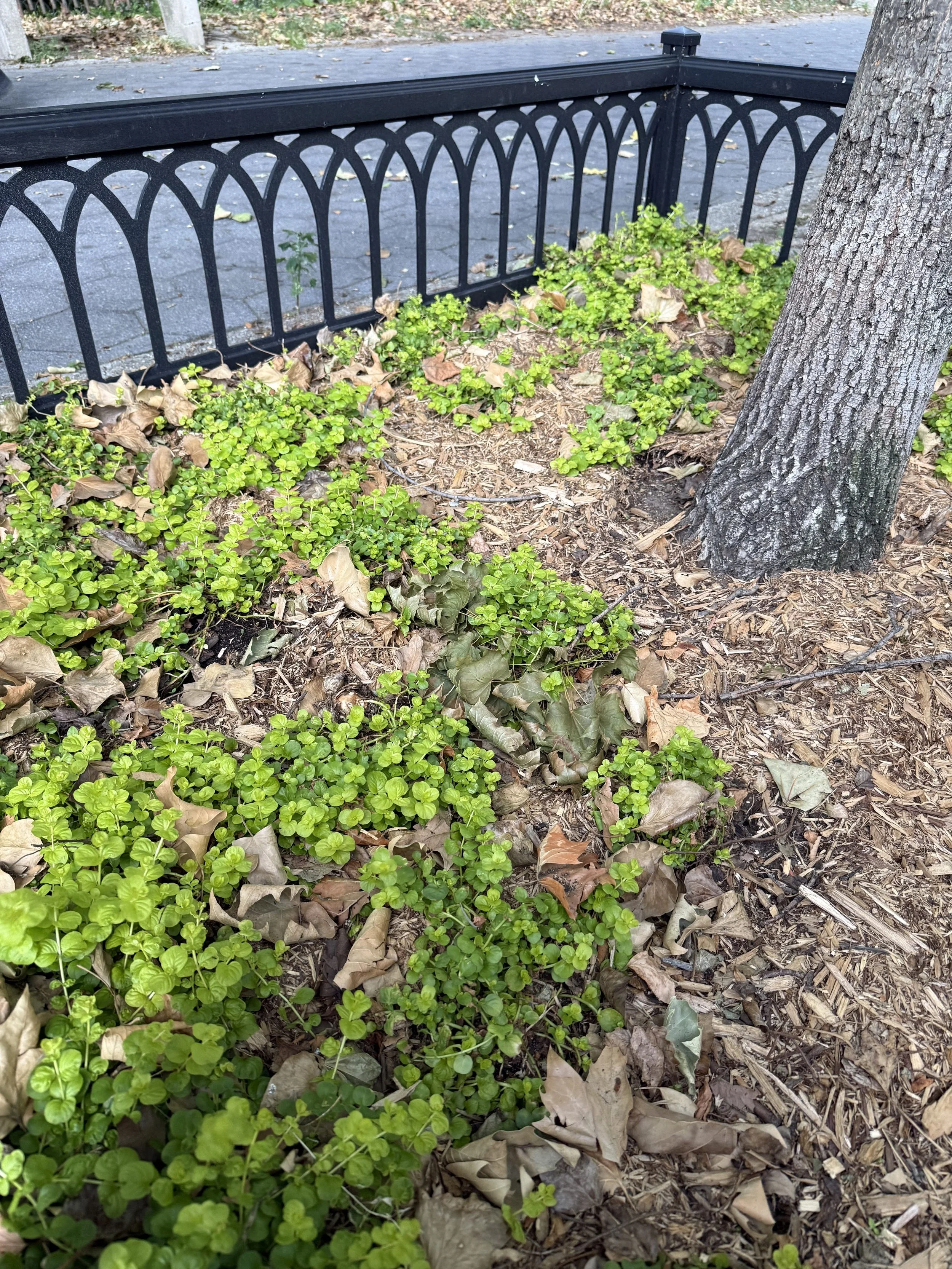
![Creeping Jenny (Lysimachia nummularia)]()
Tree Pit 10
Littleleaf Linden (Tilia cordata)
UNDERPLANTING
Creeping Jenny (Lysimachia nummularia) -
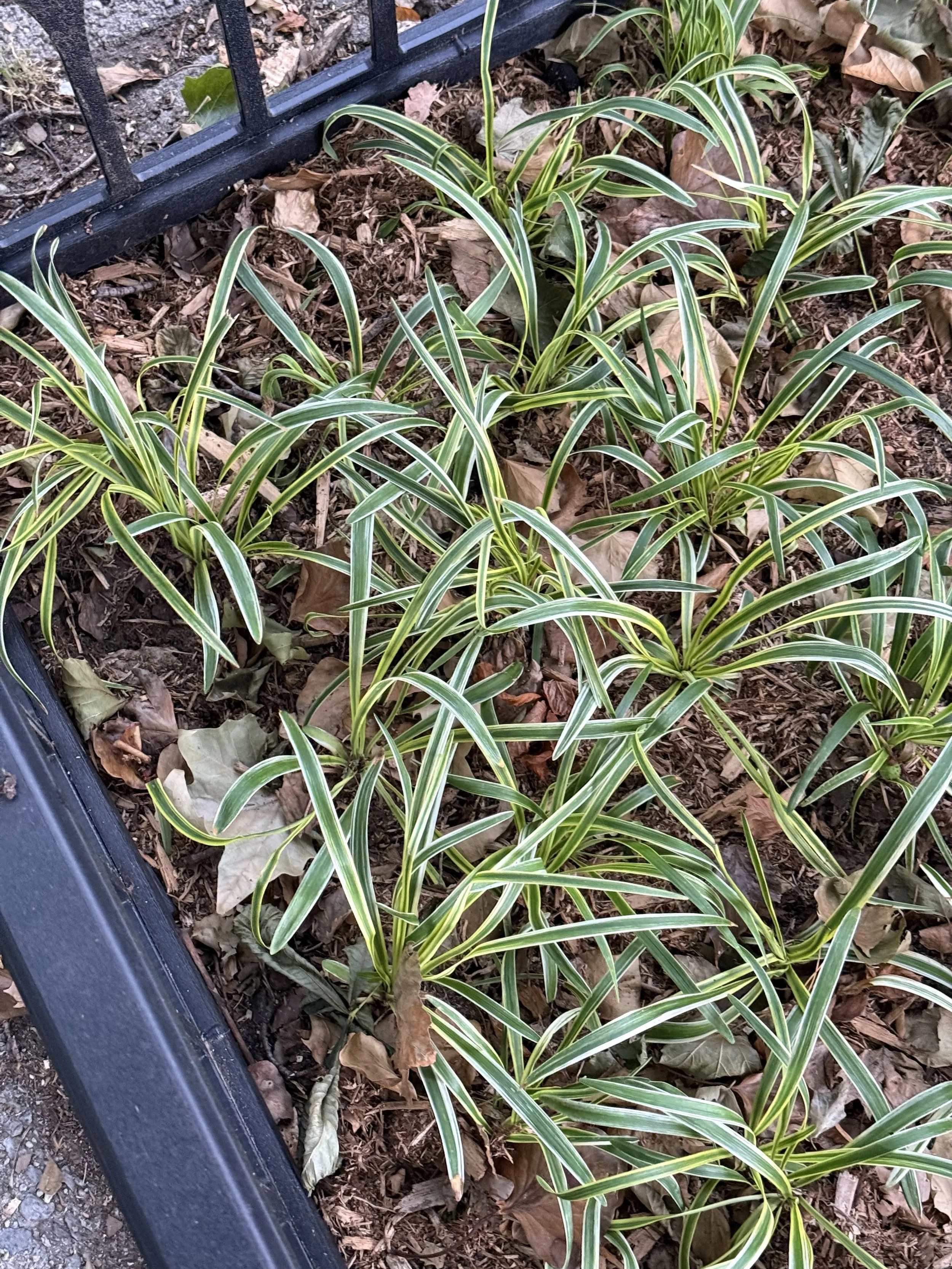
![Variegated Lilyturf (Liriope muscari cultivar)]()
Tree Pit 11
Horse Chestnut (Aesculus hippocastanum)
UNDERPLANTING
Variegated Lilyturf (Liriope muscari cultivar) -
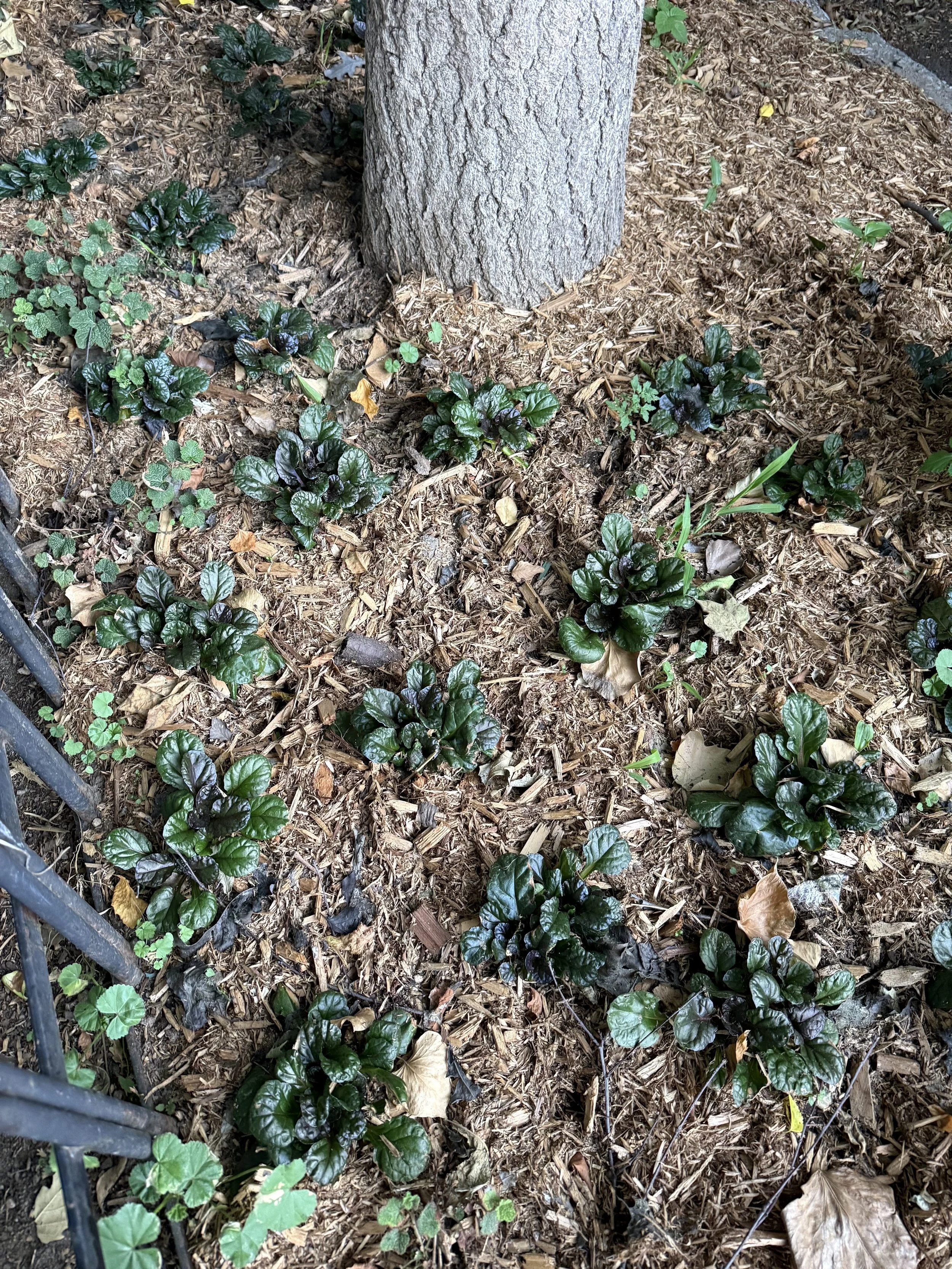
![Bugleweed (Ajuga reptans)]()
Tree Pit 12
Ginkgo (Ginkgo biloba)
UNDERPLANTING
Bugleweed (Ajuga reptans) -
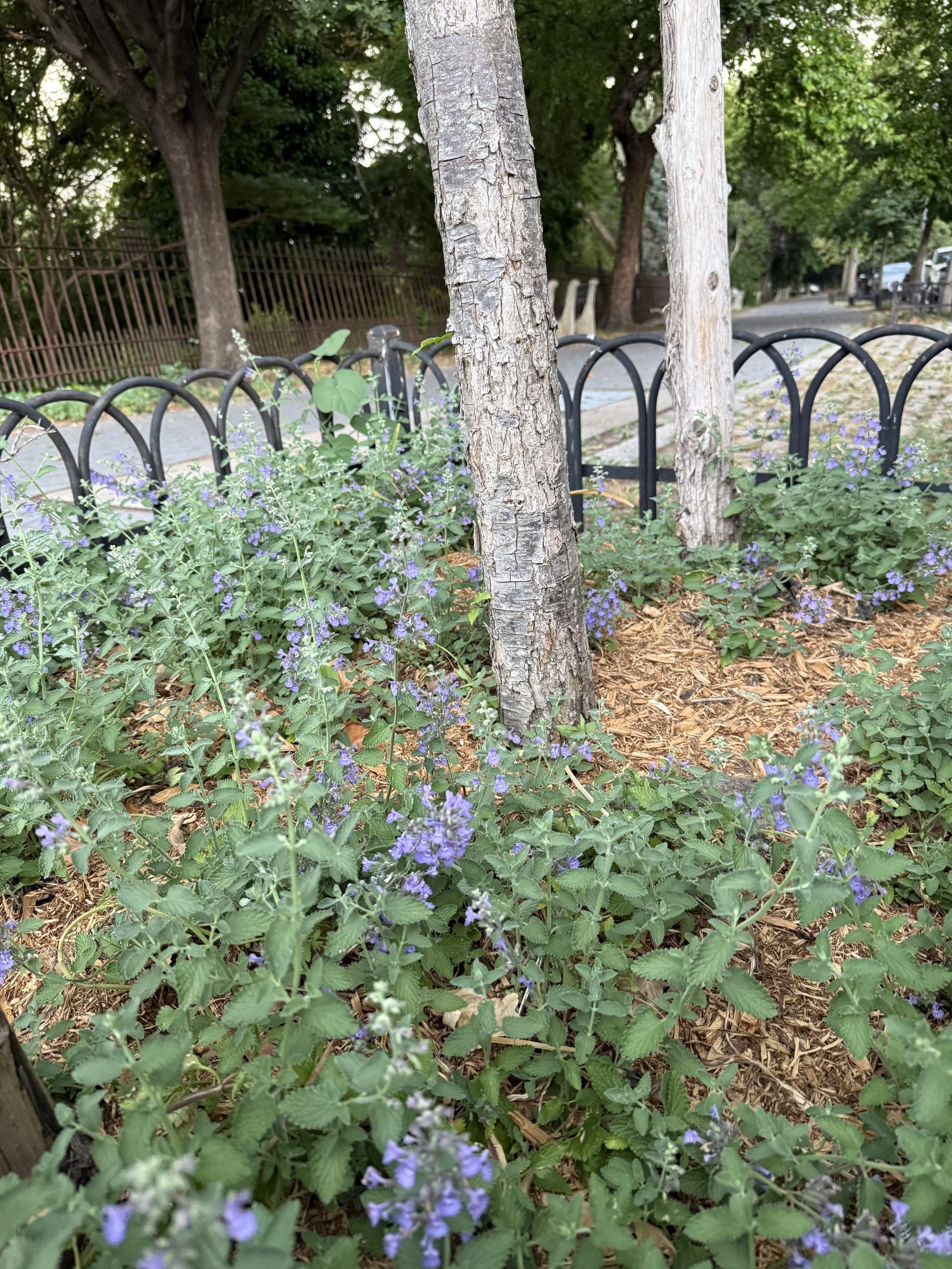
![Catmint (Nepeta × faassenii)]()
Tree Pit 13
Sawtooth Oak (Quercus acutissima)
UNDERPLANTING
Catmint (Nepeta × faassenii) -
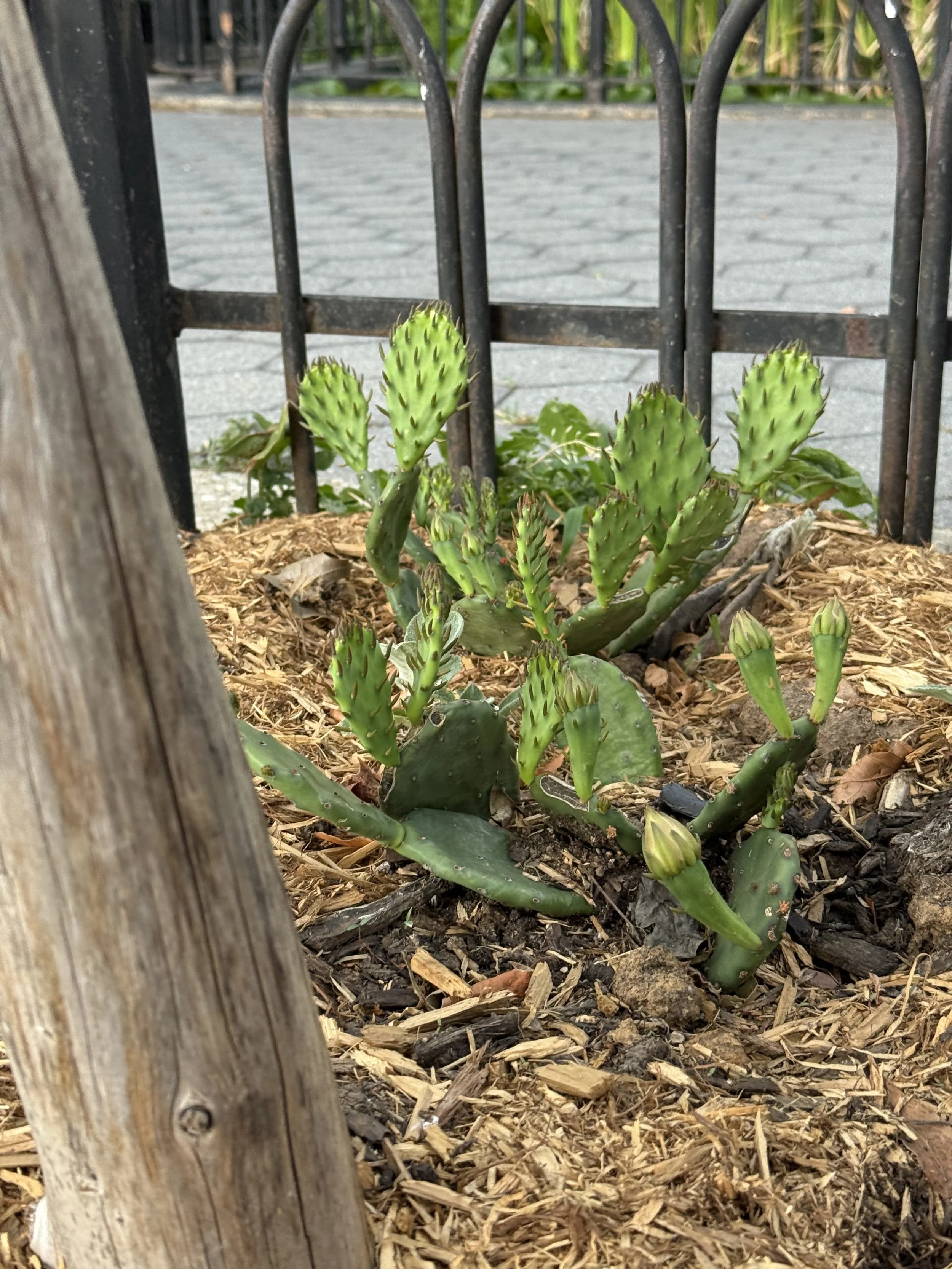
![Eastern Prickly Pear (Opuntia humifusa)]()
Tree Pit 14
Mimosa Tree (Albizia julibrissin)
UNDERPLANTING
Eastern Prickly Pear (Opuntia humifusa) -
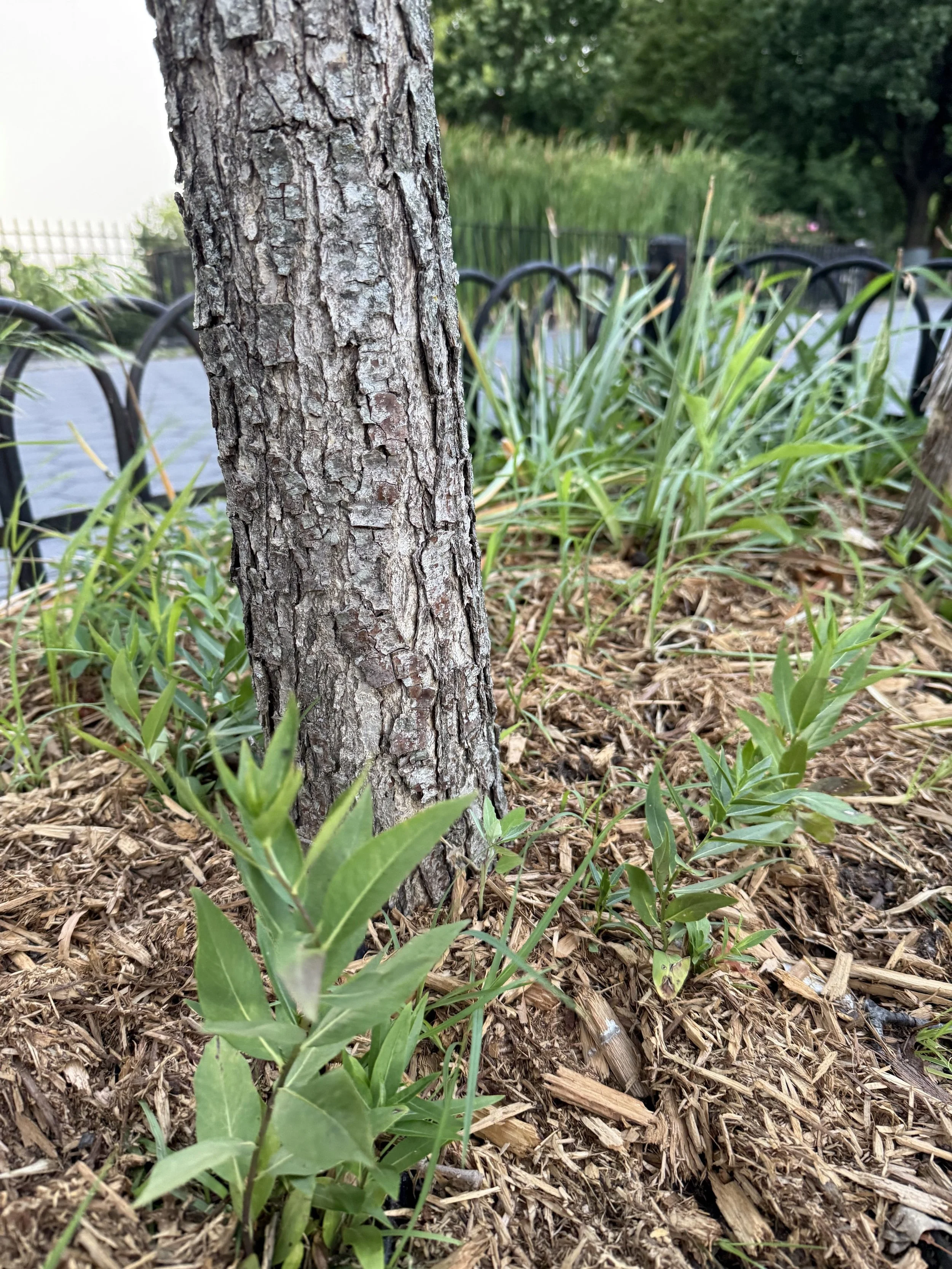
![Eastern Bluestar (Amsonia tabernaemontana)]()
Tree Pit 15
Sawtooth Oak (Quercus acutissima)
UNDERPLANTING
Eastern Bluestar (Amsonia tabernaemontana)
Aaron’s Beard / Creeping St. John’s Wort (Hypericum calycinum)
Why plant beneath the trees?
In nature, bare soil is uncommon. Beneath trees, layers of grasses, flowers, ferns, and groundcovers work together to protect the soil, support wildlife, and create healthier growing conditions. These underplantings provide a range of environmental benefits:
-
Groundcovers help protect the soil from erosion, retain moisture, suppress weeds, and reduce temperature fluctuations around tree roots.
-
Plants beneath trees reduce soil compaction, improve soil structure, and help create healthier conditions for root growth.
-
Tree pit plantings help absorb rainfall and slow runoff, allowing water to filter naturally into the soil instead of flowing directly into storm drains.
-
Flowering plants provide nectar and pollen for bees, butterflies, moths, and other important pollinators throughout the growing season.
-
Understory plantings create shelter and foraging opportunities for beneficial insects and other small wildlife, increasing urban biodiversity.
-
Together, trees and underplantings help reduce heat buildup by shading the soil and cooling the surrounding environment.
-
When multiplied across a neighborhood, planted tree pits can improve environmental quality, connect fragmented habitats, and contribute to a greener, healthier city.
Learn more about the Benefits of Trees to NYC
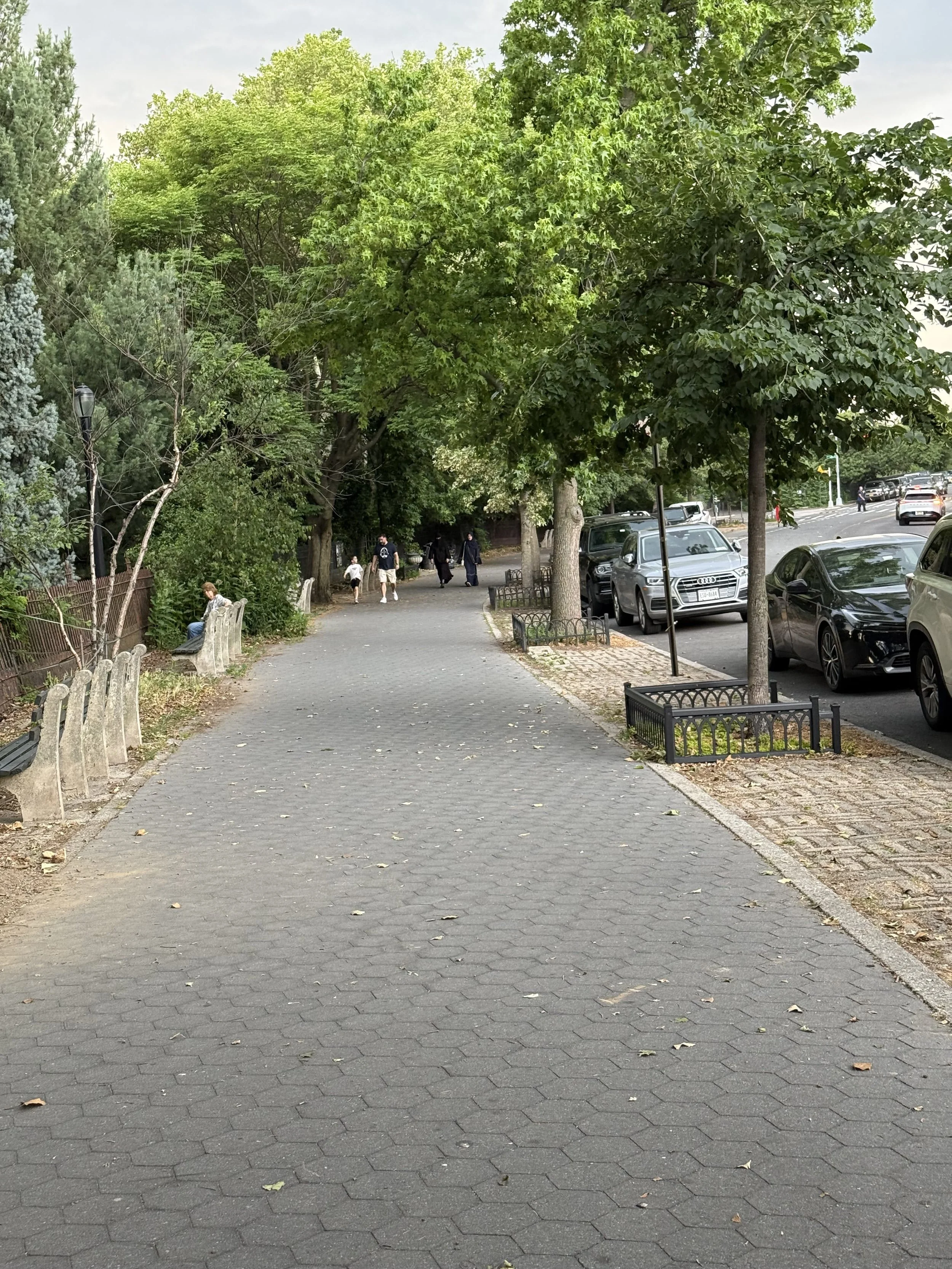
Adopt a street tree
Healthy street trees start with local stewards. Inspired by these tree pits? Try similar plant combinations in your own neighborhood and help create a greener, healthier, and more resilient city.
Use the NYC Parks Tree Map to identify and learn how to care for the trees on your block.


This project was made possible through support from Con Edison and the contributions of volunteers, community partners, and neighborhood residents working together to create a greener and more resilient Brooklyn.
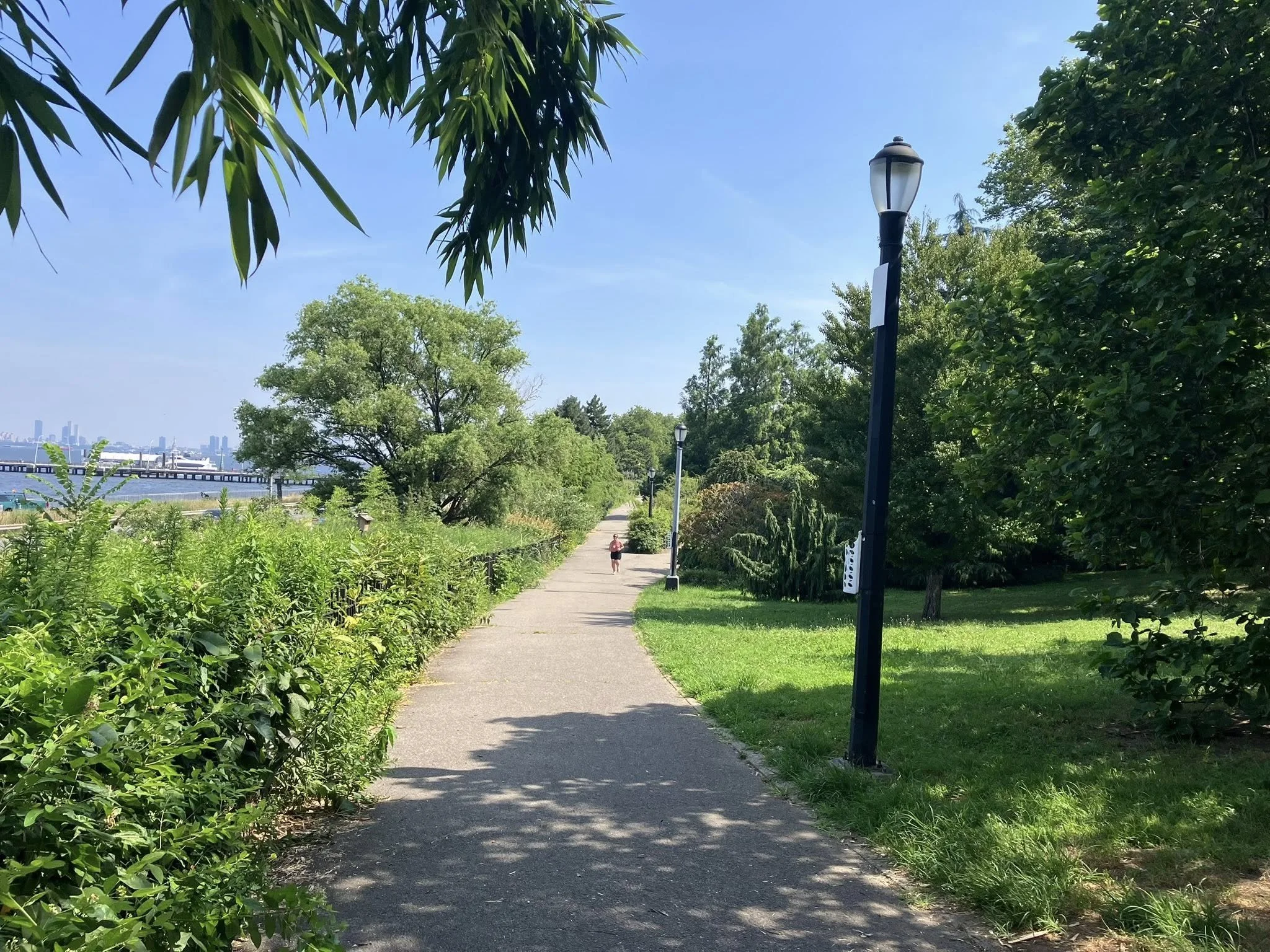
Join us
Join in our mission to foster environmental stewardship and biodiversity in New York City. By engaging with NBG, you not only aid in preserving this urban green space but also connect with like-minded individuals who share your passion for nature, art and community. Together, we can continue to cultivate a sanctuary for all to enjoy.